
Running a food truck means working in a compact space filled with open flames, hot oil, gas lines, and electrical equipment. Fires can spread in seconds, putting lives, property, and your business at risk. That’s why an Automatic Fire Suppression System For Food Truck operations is not just a smart investment—it’s often a legal requirement.
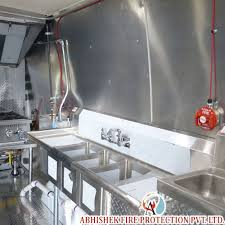
This guide explains how automatic fire suppression systems work, why they are critical for food trucks, what regulations require, and how to choose the right system for your setup.
Read too: Franklin Truck Parts Near Me: Your Complete Guide to Local Truck Parts & Repair Solutions
What Is an Automatic Fire Suppression System for Food Trucks?
An Automatic Fire Suppression System For Food Truck use is a specialized fire-protection system designed to detect and suppress fires in commercial cooking environments.
Unlike portable fire extinguishers, these systems:
- Activate automatically when a fire is detected
- Discharge fire-suppressing agents directly over cooking equipment
- Shut off fuel or power sources
- Help prevent fire re-ignition
They are specifically engineered for grease and cooking fires, which are the most common cause of food truck fires.
Why Food Trucks Are at High Fire Risk
Food trucks face higher fire risks than many brick-and-mortar kitchens.
Common fire hazards in food trucks
- Deep fryers and hot oil
- Propane or natural gas systems
- Tight, enclosed cooking spaces
- Electrical overloads
- Grease buildup in hoods and ducts
According to fire safety data, cooking equipment is responsible for nearly 60% of restaurant-related fires, and the risk is even higher in mobile kitchens due to limited space.
Is an Automatic Fire Suppression System Required for Food Trucks?
In most U.S. cities and states, yes.
Typical requirements include
- A certified automatic fire suppression system
- Coverage over all cooking appliances that produce grease vapors
- Integration with hood and ventilation systems
- Regular inspection and maintenance
Local fire marshals and health departments usually enforce these rules. Operating without a system can result in failed inspections, fines, or permit denial.
How Does an Automatic Fire Suppression System Work?
Understanding the basics helps you appreciate why these systems are so effective.
Step-by-step operation
- Fire starts
Heat from flames or flare-ups reaches a critical level. - Heat detector activates
Fusible links or sensors melt or trigger at preset temperatures. - System discharges suppressant
A wet chemical agent is released directly onto the fire. - Fuel shutoff engages
Gas or electrical supply is automatically cut. - Fire is suppressed
The chemical cools the fire and creates a barrier to prevent re-ignition.
This entire process happens within seconds, often before human reaction is possible.
Types of Fire Suppression Systems Used in Food Trucks
Not all fire suppression systems are the same.
Wet chemical fire suppression systems
These are the industry standard for food trucks.
Why wet chemical systems are preferred:
- Designed specifically for grease fires
- Cool surfaces quickly
- Prevent re-ignition
- Safe for stainless steel cooking equipment
Dry chemical systems (less common)
- More common in industrial settings
- Can leave residue that damages equipment
- Less effective on grease fires
For food trucks, wet chemical systems are strongly recommended.
What Equipment Must Be Protected?
A proper Automatic Fire Suppression System For Food Truck operations must cover all grease-producing appliances.
Commonly protected equipment
- Deep fryers
- Griddles
- Charbroilers
- Woks
- Ranges
- Salamanders
Nozzles are positioned directly above and inside equipment to ensure full coverage.
Automatic Fire Suppression System vs Fire Extinguishers
Many new food truck owners ask if extinguishers alone are enough.
Comparison table
| Feature | Automatic System | Fire Extinguisher |
|---|---|---|
| Activates automatically | Yes | No |
| Works when no one is present | Yes | No |
| Covers multiple appliances | Yes | No |
| Required by code | Often yes | Yes (supplemental) |
| Prevents re-ignition | Yes | Limited |
Fire extinguishers are required, but they do not replace an automatic system.
Cost of an Automatic Fire Suppression System for Food Trucks
Cost is a major concern, especially for startups.
Typical cost ranges
| Item | Estimated Cost |
|---|---|
| System purchase | $2,000 – $4,000 |
| Installation | $500 – $1,500 |
| Inspection & certification | $150 – $300 |
| Annual maintenance | $150 – $300 |
While the upfront cost may seem high, it’s far less than the cost of fire damage, injuries, or business shutdowns.
Installation Process: What to Expect
Step-by-step overview
- Site evaluation
Technician reviews truck layout and equipment. - System design
Nozzle placement and coverage are planned. - Professional installation
System is mounted and connected to fuel shutoff. - Testing and certification
Fire marshal or inspector approves the system. - Documentation issued
Required for permits and inspections.
Installation usually takes one day or less.
Maintenance and Inspection Requirements
A fire suppression system is only effective if properly maintained.
Typical maintenance rules
- Inspection every 6 months (common requirement)
- Annual certification
- Immediate service after any discharge
- Cleaning of nozzles and links
Failure to maintain the system can result in inspection failure or insurance issues.
Insurance Benefits of Fire Suppression Systems
Insurance companies view automatic systems as a major risk-reduction factor.
Potential insurance advantages
- Lower premiums
- Easier policy approval
- Faster claims processing
- Reduced liability exposure
Some insurers require proof of certification before issuing coverage.
Compliance With Fire and Safety Codes
Most food truck regulations are based on nationally recognized standards.
General information about fire suppression concepts can be found here:
👉 https://en.wikipedia.org/wiki/Fire_suppression_system
(Only one authoritative external link included, as requested.)
Local codes may vary, so always confirm requirements with:
- Fire marshal
- Health department
- City licensing office
Common Mistakes Food Truck Owners Make
Avoid these costly errors:
- Installing uncertified systems
- Skipping inspections
- Not covering all appliances
- Blocking nozzles with equipment
- Assuming extinguishers are enough
These mistakes often lead to permit denial or forced shutdowns.
Advantages and Disadvantages of Automatic Fire Suppression Systems
Advantages
✔ Rapid fire control
✔ Automatic activation
✔ Required for compliance
✔ Protects lives and equipment
✔ Reduces insurance risk
Disadvantages
✖ Upfront cost
✖ Ongoing inspection fees
✖ Requires professional installation
Despite the cost, the benefits far outweigh the drawbacks.
How to Choose the Right System for Your Food Truck
Key factors to consider
- Number and type of cooking appliances
- Hood and ventilation design
- Local fire code requirements
- Certification and warranty
- Service availability in your area
Always work with a licensed fire suppression professional.
FAQ: Automatic Fire Suppression System For Food Truck
Is an automatic fire suppression system required for food trucks?
In most U.S. jurisdictions, yes—especially if you use fryers, grills, or open-flame cooking.
How often does the system need inspection?
Typically every 6 months, though local codes may vary.
Can I install a fire suppression system myself?
No. Installation must be done by certified professionals to meet code requirements.
What happens after the system discharges?
The system must be cleaned, refilled, inspected, and re-certified before reuse.
Does the system replace fire extinguishers?
No. Portable fire extinguishers are still required as backup.
Will a fire suppression system damage my equipment?
Wet chemical agents are designed to minimize damage and are far safer than uncontrolled fires.
Conclusion
An Automatic Fire Suppression System For Food Truck operations is one of the most important investments you can make as a mobile food business owner. It protects lives, equipment, customers, and your livelihood—while also ensuring compliance with local regulations and insurance requirements.
If you’re serious about operating safely and legally, a certified automatic fire suppression system isn’t optional—it’s essential.
Leave a Reply