
Maintaining heavy-duty trucks is time-consuming and often requires meticulous lubrication of moving components. An automatic grease system for trucks simplifies this process, ensuring essential parts like bearings, joints, and suspension components receive consistent lubrication. By automating grease delivery, truck operators can reduce maintenance time, prevent premature wear, and improve safety on the road.
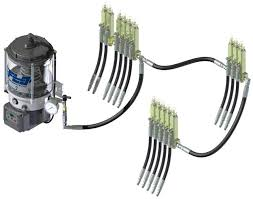
This guide explores the benefits, components, installation, and maintenance of automatic grease systems, helping fleet managers and drivers make informed decisions.
Read too: Top Trucking Companies That Still Have Manual Transmissions
What Is an Automatic Grease System?
An automatic grease system (AGS) is a pneumatic or electric pump-driven system that delivers precise amounts of lubricant to truck components at scheduled intervals. Unlike manual greasing, AGS ensures consistent lubrication, reduces human error, and extends the life of bearings and joints.
Key Functions:
- Lubricates wheel bearings, kingpins, and suspension points automatically.
- Reduces downtime caused by manual maintenance.
- Prevents component failure due to under- or over-greasing.
- Enhances truck performance and safety on long hauls.
According to Wikipedia, automated lubrication systems are widely used in industrial and automotive applications for reliability and efficiency.
Benefits of Automatic Grease Systems for Trucks
- Time-Saving: Eliminates manual greasing tasks, freeing up maintenance personnel.
- Extended Component Life: Continuous lubrication reduces friction and wear.
- Cost Efficiency: Prevents premature part replacement and reduces repair expenses.
- Improved Safety: Well-lubricated components minimize failures that can lead to accidents.
- Environmental Protection: Reduces grease waste by delivering precise amounts.
Components of an Automatic Grease System
A standard AGS includes the following components:
- Pump Unit: Electric or air-driven, usually mounted on the chassis.
- Grease Reservoir: Stores the lubricant; capacity ranges from 1–5 gallons.
- Distribution Lines: Tubes or hoses that deliver grease to each lubrication point.
- Metering Valves: Control the amount of grease delivered per cycle.
- Controller: Programmable unit to schedule lubrication intervals automatically.
Types of Automatic Grease Systems
1. Single-Line Systems
- Uses one main line to deliver grease to all points sequentially.
- Pros: Simple, cost-effective.
- Cons: Slower for large trucks with many lubrication points.
2. Dual-Line Systems
- Two lines operate alternately for faster lubrication.
- Pros: Efficient for long trucks or heavy-duty fleets.
- Cons: Higher cost and more complex installation.
3. Progressive Systems
- Each lubrication point receives a predetermined amount of grease.
- Pros: Prevents over- or under-greasing, ideal for critical components.
- Cons: Requires more precise setup and maintenance.
How to Install an Automatic Grease System
Proper installation is key for efficiency and reliability. Follow these steps:
- Select System Type: Choose single-line, dual-line, or progressive system based on truck size and component count.
- Mount Pump and Reservoir: Secure on the chassis, ensuring easy access for refilling.
- Route Grease Lines: Connect to lubrication points, avoiding heat sources or sharp bends.
- Install Metering Valves: Adjust for correct grease volume at each point.
- Program Controller: Set the lubrication interval (commonly every 100–200 miles).
- Test the System: Run the truck and monitor flow to all points, checking for leaks or blockages.
Maintenance Tips for Longevity
- Refill Grease Regularly: Avoid running the pump dry.
- Check Lines and Fittings: Inspect for leaks, cracks, or blockages.
- Clean Reservoir and Pump: Remove old grease and contaminants during major servicing.
- Monitor Lubrication Cycles: Ensure the controller functions correctly and adjusts intervals if needed.
Cost Considerations
The cost of installing an automatic grease system for trucks varies depending on system type, number of lubrication points, and brand.
| System Type | Average Cost (Parts + Installation) |
|---|---|
| Single-Line | $800 – $1,200 |
| Dual-Line | $1,500 – $2,500 |
| Progressive | $2,000 – $3,500 |
Although the upfront investment is higher than manual greasing, savings in labor, downtime, and component replacement often justify the cost within the first year.
Advantages vs Disadvantages
| Advantages | Disadvantages |
|---|---|
| Consistent lubrication | Higher initial cost |
| Reduces labor and downtime | Requires proper setup |
| Extends component lifespan | Maintenance complexity for large fleets |
| Improves safety and reliability | Potential line blockage if not monitored |
FAQ Section
Q1: Can an automatic grease system work on any truck?
Yes, most systems are adaptable to light, medium, and heavy-duty trucks, but selection should consider the number of lubrication points and truck configuration.
Q2: How often should the grease reservoir be refilled?
Depends on mileage and system size, but typically every 1,000–2,000 miles for long-haul trucks.
Q3: Can I install the system myself?
Yes, but professional installation ensures proper line routing, valve setup, and system calibration, reducing the risk of under-lubrication.
Q4: What happens if a line or valve clogs?
Lubrication stops at affected points, which can cause premature wear. Routine inspection and cleaning prevent this issue.
Q5: Are automatic systems compatible with different grease types?
Yes, but always use manufacturer-recommended lubricants for temperature range, viscosity, and compatibility with pump components.
Q6: How does an automatic grease system save money?
By reducing labor costs, preventing component failure, and extending part life, AGS can save thousands annually for fleet operators.
Conclusion
An automatic grease system for trucks is a smart investment for operators seeking efficiency, safety, and long-term cost savings. By automating lubrication, trucks experience longer component life, reduced downtime, and lower maintenance costs. Whether for a single vehicle or a large fleet, integrating an AGS improves performance and ensures your trucks remain road-ready.
Share this guide with other truck operators to help them implement reliable, automated lubrication solutions and maximize truck uptime.
Leave a Reply