
If you move rock, sand, or gravel across the Midwest, you’ve likely heard of Beelman Truck Company East St Louis. Known for large-scale aggregate hauling with specialized side-dump trailers, the company plays a critical role in construction supply chains. This guide explains what they do, how operations typically work, and what drivers, contractors, and shippers should understand before engaging with an aggregate hauler of this scale.
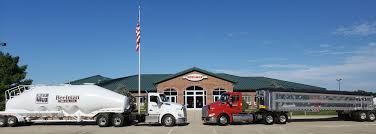
What Does Beelman Truck Company East St Louis Specialize In?
Beelman Truck Company is widely recognized for transporting bulk aggregates—materials essential for roads, bridges, and commercial construction.
Primary materials hauled:
- Crushed limestone
- Sand and gravel
- Riprap and ballast
- Recycled concrete and asphalt
For context on these materials and their uses, see Construction aggregate on Wikipedia:
https://en.wikipedia.org/wiki/Construction_aggregate
Why Side-Dump Trailers Matter in Aggregate Hauling
Beelman’s fleet is strongly associated with side-dump trailers, which differ from traditional end-dumps.
| Feature | Side Dump | End Dump |
|---|---|---|
| Stability during unloading | Very high | Moderate |
| Rollover risk | Low | Higher |
| Unloading speed | Fast | Moderate |
| Uneven ground capability | Excellent | Limited |
This equipment choice is ideal for quarry yards, uneven job sites, and fast material drops.
Read too: Franklin Truck Parts Near Me: Your Complete Guide to Local Truck Parts & Repair Solutions
How Aggregate Hauling Supports Midwest Construction
Aggregate is the foundation of nearly every construction project. A steady hauling partner ensures:
- Concrete plants receive consistent supply
- Road crews stay on schedule
- Rail and infrastructure projects avoid delays
Large haulers like Beelman often operate between quarries, railheads, and job sites across multiple states.
What Drivers Should Know About Working in Aggregate Fleets
Drivers in aggregate hauling experience a different workflow than long-haul freight.
Typical day includes:
- Multiple short runs between quarry and plant
- Frequent loading and unloading cycles
- Early morning dispatch times
- Strict weight management to avoid axle overload
Drivers often prefer this model because they return home daily and avoid cross-country travel.
Operational Focus: Safety and Weight Management
Hauling rock is heavy work. Safety protocols typically emphasize:
- Proper tarp use to prevent spillage
- Even load distribution in trailers
- Axle weight compliance
- Careful positioning during unloading
A single overloaded axle can result in fines and equipment strain.
Benefits vs Challenges of Aggregate Hauling
| Benefits | Challenges |
|---|---|
| Home daily routes | Dusty quarry environments |
| Consistent regional work | Heavy loads stress equipment |
| Predictable schedules | Weather affects quarry access |
| Specialized equipment | Requires careful unloading technique |
Real-World Scenario: Quarry to Concrete Plant
A common route might involve hauling crushed limestone from a quarry to a ready-mix concrete plant 25 miles away, repeating the trip 6–10 times per shift. Efficiency and turnaround speed are critical.
What Shippers and Contractors Should Expect
When working with a large aggregate hauler:
- High load capacity per trip
- Reliable scheduling for plant supply
- Experienced drivers familiar with job site access
- Equipment suited for rough terrain
This reliability is crucial for time-sensitive construction pours.
Environmental and Equipment Considerations
Aggregate hauling causes:
- Increased tire wear
- Brake system stress
- Suspension strain due to weight
Regular preventive maintenance is essential to keep fleets operational.
FAQ — Beelman Truck Company East St Louis
What type of freight does Beelman primarily haul?
Bulk aggregates like limestone, sand, and gravel.
Why are side-dump trailers preferred?
They are safer and more stable on uneven surfaces.
Do drivers operate long-haul routes?
No, most routes are short and regional.
Is aggregate hauling hard on trucks?
Yes, due to constant heavy loads and rough environments.
Who hires aggregate haulers?
Quarries, concrete plants, road crews, and infrastructure contractors.
Conclusion
Beelman Truck Company East St Louis represents the type of specialized aggregate hauler that keeps Midwest construction moving. With side-dump equipment, regional routes, and a focus on heavy-material efficiency, this operation model supports quarries, plants, and job sites that rely on timely deliveries.
If this overview helped you understand how aggregate hauling works and what to expect, share it with drivers, contractors, or fleet managers involved in construction logistics.
Leave a Reply