
Starting a hotshot trucking business can feel overwhelming, especially when you’re unsure how to turn your driving skills into a profitable operation. A clear and well-structured Business Plan for Hotshot Trucking is the foundation that helps you secure financing, manage risks, and grow sustainably.
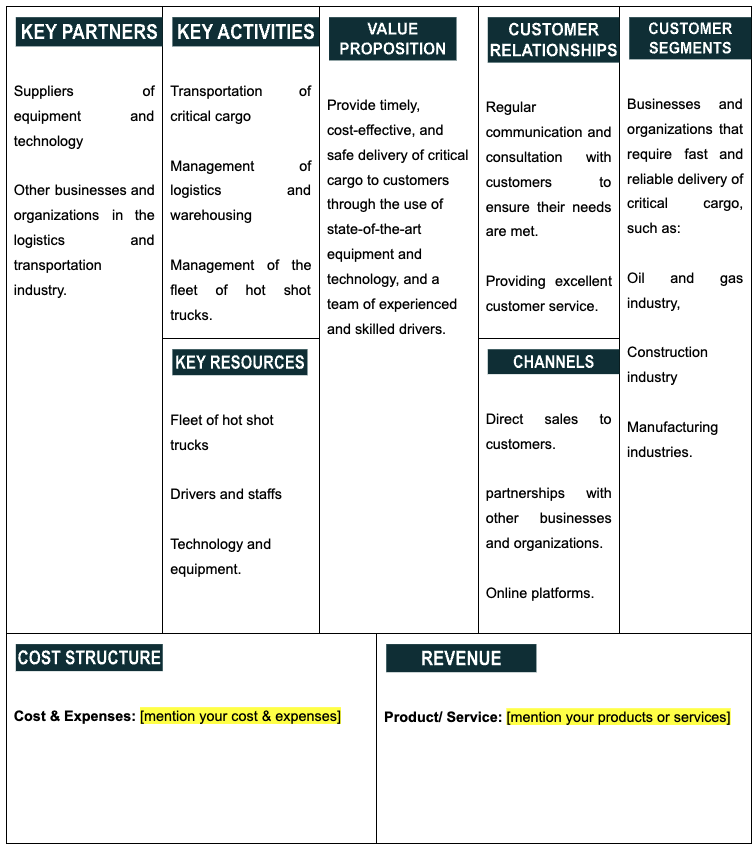
In this guide, you’ll learn how to build a practical business plan designed specifically for the U.S. hotshot trucking market—even if you’re a complete beginner.
Read too: Franklin Truck Parts Near Me: Your Complete Guide to Local Truck Parts & Repair Solutions
What Is a Business Plan for Hotshot Trucking?
A Business Plan for Hotshot Trucking is a written roadmap that explains how your hotshot operation will start, operate, and make money. It outlines your goals, costs, target market, and growth strategy.
Hotshot trucking typically involves hauling smaller, time-sensitive loads using a pickup truck and flatbed or gooseneck trailer. Because margins can be tight, planning is critical.
According to small business research, companies with written business plans are more likely to secure funding and survive past five years compared to those without one.
Why Do You Need a Hotshot Trucking Business Plan?
Many drivers skip planning and jump straight into buying equipment. That’s risky.
Key Benefits of Having a Business Plan
- Clarifies startup and operating costs
- Helps avoid cash flow problems
- Improves decision-making
- Builds credibility with lenders and partners
- Defines your competitive advantage
A business plan isn’t just for banks—it’s a tool you’ll use daily.
Executive Summary: The Snapshot of Your Business
The executive summary is the first section, but it’s best written last.
What to Include
- Business name and location
- Services offered (hotshot hauling, expedited freight, etc.)
- Target market (oilfield, construction, manufacturing)
- Startup costs and revenue goals
- Owner background and experience
💡 Keep this section concise—1 page max.
Market Analysis: Is Hotshot Trucking Profitable?
Industry Overview
Hotshot trucking has grown alongside e-commerce, construction, and oil & gas industries. Customers value speed and flexibility, which hotshot operators provide better than large fleets.
For a general definition of trucking and freight transportation, see Wikipedia.org.
Target Customers
- Construction companies
- Oilfield service providers
- Equipment dealers
- Manufacturers needing urgent delivery
Market Demand Indicators
- Rising expedited freight demand
- Driver shortages in traditional trucking
- Increased regional shipping needs
Services Offered in a Hotshot Trucking Business
Clearly define what you haul and what you don’t.
Common Hotshot Services
- Flatbed hauling
- LTL (less-than-truckload) freight
- Expedited deliveries
- Regional or multi-state transport
Being specific helps with pricing, insurance, and marketing.
Equipment and Startup Costs Breakdown
One of the most important parts of a Business Plan for Hotshot Trucking is understanding costs.
Typical Startup Costs
| Item | Estimated Cost |
|---|---|
| Pickup Truck | $35,000–$75,000 |
| Trailer | $8,000–$25,000 |
| Insurance | $8,000–$15,000/year |
| Authority & Permits | $1,000–$3,000 |
| Safety Equipment | $500–$1,500 |
| Initial Fuel & Maintenance | $2,000–$4,000 |
💡 Total startup cost often ranges from $55,000 to $120,000.
Legal Structure and Compliance
Business Structure Options
- LLC (most common)
- Sole Proprietorship
- Corporation
Required Registrations
- DOT number
- MC authority (interstate hauling)
- IFTA registration
- UCR filing
Skipping compliance can shut down your business before it starts.
Operations Plan: How Your Business Will Run
This section explains your day-to-day workflow.
Daily Operations
- Load booking via load boards or brokers
- Route planning and fuel optimization
- Pickup and delivery execution
- Invoicing and recordkeeping
Tools Commonly Used
- Load boards
- GPS and route planners
- ELD (if required)
- Accounting software
Pricing Strategy: How Much Should You Charge?
Hotshot rates vary by distance, urgency, and load type.
Common Pricing Models
- Per-mile rate ($1.50–$3.50/mile)
- Flat-rate per load
- Expedited premium pricing
Key Cost Factors
- Fuel prices
- Deadhead miles
- Maintenance and tires
- Insurance premiums
💡 Always price to cover costs plus profit, not just to win loads.
Marketing and Customer Acquisition Strategy
A solid Business Plan for Hotshot Trucking explains how you’ll find customers.
Marketing Channels
- Load boards (initial phase)
- Direct outreach to local businesses
- Simple website and Google Business Profile
- Word-of-mouth referrals
Brand Trust Tips
- Reliable communication
- On-time delivery
- Professional invoices and paperwork
Financial Plan and Revenue Projections
This is where your plan proves viability.
Sample Monthly Projection
| Category | Estimated Amount |
|---|---|
| Gross Revenue | $10,000 |
| Fuel | $3,000 |
| Insurance | $1,000 |
| Maintenance | $800 |
| Misc. Expenses | $700 |
| Net Profit | $4,500 |
📊 Many successful operators aim for 20–35% net margins when managed well.
Risk Analysis: Challenges in Hotshot Trucking
Common Risks
- Fuel price volatility
- Equipment breakdowns
- Rate fluctuations
- Driver fatigue
Risk Mitigation Strategies
- Emergency fund (3–6 months)
- Preventive maintenance
- Diversified customer base
- Realistic scheduling
Growth Strategy: Scaling Your Hotshot Business
Once stable, growth becomes possible.
Expansion Options
- Add a second truck
- Hire a driver
- Specialize in niche freight
- Transition into a small fleet
A strong business plan helps you scale without chaos.
Pros and Cons of Hotshot Trucking
Advantages
- Lower startup cost than semi-trucking
- Faster entry into the market
- Flexible schedules
- Strong demand for expedited loads
Disadvantages
- High competition
- Wear and tear on equipment
- Income inconsistency early on
FAQ: Business Plan for Hotshot Trucking (H2)
Do I really need a business plan for hotshot trucking?
Yes. It helps you understand costs, reduce risk, and stay profitable long-term.
How long should a hotshot trucking business plan be?
Typically 10–20 pages, depending on detail and funding needs.
Can I start hotshot trucking with no experience?
Yes, but planning, research, and mentorship are critical.
How profitable is hotshot trucking?
Well-run operations can net $3,000–$6,000 per month per truck.
Can I use my business plan to get a loan?
Absolutely. Lenders often require one for equipment financing.
Conclusion
A clear and realistic Business Plan for Hotshot Trucking turns uncertainty into direction. It helps you control costs, attract customers, and build a trucking business that lasts—not just survives.
If you’re serious about entering hotshot trucking, take the time to plan before you drive. And if this guide helped you, share it on social media so other drivers can start their journey with confidence and clarity. 🚚📈
Leave a Reply