
Space is tight, power is limited, and speed is everything. Choosing the right Commercial Deep Fryer For Food Truck can make or break your ticket times, safety compliance, and daily profit. This guide explains exactly what to buy, how to size it, and how to set it up so you can fry fast without failing inspection.
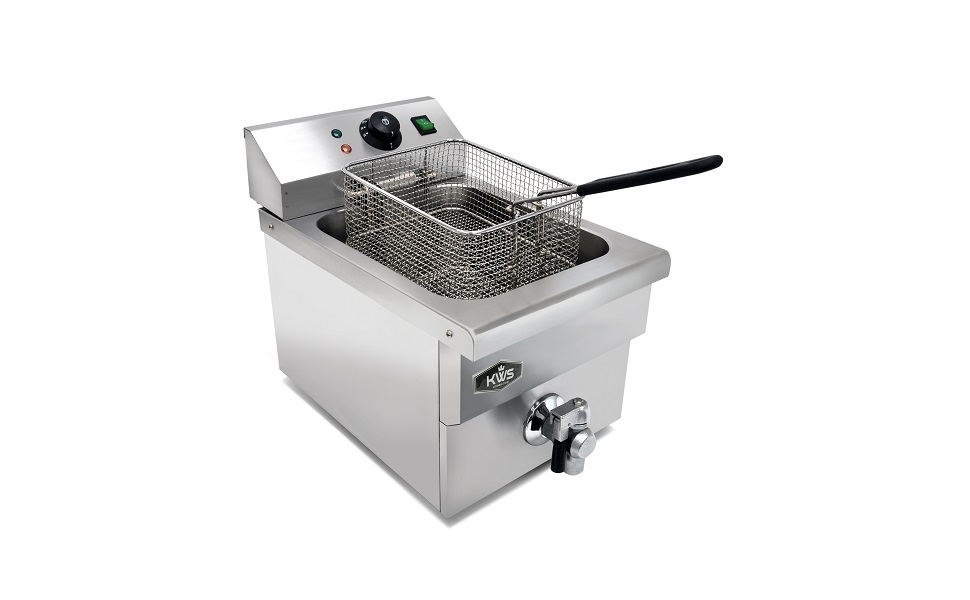
Commercial Deep Fryer For Food Truck — What Really Matters
In a food truck, a fryer must be:
- Compact but high output
- Fuel-efficient (often propane)
- Easy to clean and filter
- Compatible with hood + fire suppression
Read too: Top Trucking Companies That Still Have Manual Transmissions
Background on fryer basics: Deep frying on Wikipedia:
https://en.wikipedia.org/wiki/Deep_frying
Countertop vs Floor Fryer in a Food Truck
| Type | Best For | Pros | Cons |
|---|---|---|---|
| Countertop (8–15 lb oil) | Fries, wings, sides | Small footprint | Lower batch size |
| Floor (30–40 lb oil) | High volume menus | Faster recovery | Takes space |
Most trucks start with countertop propane units and scale up.
Propane vs Electric Fryers (Food Truck Reality)
| Fuel | Why It Works | Limitation |
|---|---|---|
| Propane | Heats fast, off-grid | Requires ventilation |
| Electric | Simple hookup | High amp draw, slow recovery |
Propane is the industry favorite for mobile kitchens.
How to Size Your Fryer (Simple Math)
Use this rule:
- 1 lb of oil ≈ 1 lb of fries per batch
- Recovery time determines speed
Example:
10 lb fryer × 4 batches every 6 minutes = ~40 lbs/hour capacity.
If you sell fries, wings, or tenders, you’ll want at least 10–15 lb capacity.
Must-Have Safety Setup (Health & Fire Code)
Your Commercial Deep Fryer For Food Truck must sit under:
- Type I hood
- Fire suppression nozzles
- Splash guards
- Non-slip mat area
Most inspections fail because of improper hood clearance.
Oil Filtration: The Profit Multiplier
Filtering oil daily can:
- Extend oil life 2–3×
- Improve taste
- Reduce cost by hundreds per month
A small portable filter pump is ideal for trucks.
Step-by-Step: Ideal Fryer Placement in a Food Truck
- Place fryer closest to hood exhaust centerline
- Keep 6–8 inches clearance from walls
- Install splash guard panel
- Keep fire extinguisher within arm’s reach
- Store oil below waist height for safe handling
Real-World Setup Example
A wing-and-fries truck uses:
- 12 lb propane countertop fryer
- Dual baskets
- Portable oil filter
- 100 lb propane tank outside cabinet
Result: 60+ orders/hour during rush.
Pros and Cons Summary
Pros of Propane Countertop Fryers
- Small footprint
- Fast heat recovery
- Low power demand
- Affordable ($350–$900)
Cons
- Needs proper ventilation
- Smaller oil capacity
What Most New Owners Get Wrong
- Buying electric fryers that trip breakers
- Choosing fryers too large for the hood
- Skipping oil filtration
- Ignoring clearance rules
FAQ — Commercial Deep Fryer For Food Truck
What size fryer is best for a food truck?
10–15 lb oil capacity fits most menus.
Is propane better than electric?
Yes, for heat recovery and power limits.
Do I need fire suppression above the fryer?
Yes, it’s required by code.
How often should I filter oil?
Daily for best results.
Can I run two fryers?
Yes, if hood space allows.
How much does a good fryer cost?
$400 to $1,200 for quality propane units.
Conclusion
The right Commercial Deep Fryer For Food Truck is compact, propane-powered, easy to filter, and correctly placed under your hood system. Focus on recovery speed, safety compliance, and oil management—not just price. With the right fryer setup, you’ll serve faster, pass inspections, and protect your margins.
If this guide helped you choose the right fryer, share it with other food truck owners building their kitchen.
Leave a Reply