
If your commercial truck looks worn, scratched, or faded, it can hurt both your brand image and vehicle lifespan. Commercial Truck Body And Paint services are not just about looks—they help protect your investment, reduce long-term repair costs, and keep your fleet road-ready. This guide explains everything you need to know, from benefits and processes to costs and best practices, in a clear and practical way.
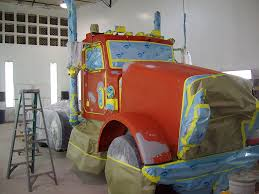
What Is Commercial Truck Body And Paint?
Commercial Truck Body And Paint refers to professional repair, restoration, and coating services designed specifically for work trucks, delivery vehicles, and fleet units. These services address:
- Body damage (dents, rust, corrosion, panel replacement)
- Surface preparation (sanding, priming, sealing)
- Protective and aesthetic painting (single-stage, basecoat/clearcoat, industrial coatings)
Unlike standard auto paint, commercial truck coatings are engineered to withstand heavy use, long hours, and harsh environments.
Read too: Top Trucking Companies That Still Have Manual Transmissions
Why Do Commercial Trucks Need Professional Body and Paint Services?
1) Protection Against Corrosion and Weather
Commercial trucks are exposed to rain, UV rays, road salt, and chemicals. According to industry data, corrosion-related repairs can account for 10–15% of annual fleet maintenance costs when protective coatings are neglected.
2) Brand Image and Trust
Your truck is a moving billboard. Clean, professionally painted vehicles can increase brand recall by up to 15%, according to fleet marketing studies.
3) Higher Resale and Asset Value
Well-maintained paint and bodywork slow depreciation. Buyers often pay more for trucks with documented professional refinishing.
What Types of Commercial Truck Body Repairs Are Common?
Dent and Panel Repair
- Door dings, side-panel impacts, loading dock damage
- Panel straightening or replacement using steel or aluminum
Rust Removal and Prevention
- Grinding and chemical treatment
- Anti-corrosion primers and sealants
Frame and Structural Repairs
- Reinforcement and alignment (when applicable)
- Safety inspections after repair
Expert Insight: Fleet managers report that addressing minor dents early can reduce future repair costs by 30–40% compared to delayed fixes.
What Paint Options Are Best for Commercial Trucks?
Single-Stage Paint
- Durable and cost-effective
- Best for utility and work-focused fleets
Basecoat/Clearcoat Systems
- Better gloss and UV resistance
- Ideal for branded fleets and long-haul trucks
Industrial and Specialty Coatings
- Epoxy or polyurethane coatings
- High resistance to chemicals and abrasion
For a general understanding of how vehicle painting works, see this neutral reference on vehicle painting at Wikipedia:
https://en.wikipedia.org/wiki/Automotive_paint
Step-by-Step: How the Commercial Truck Painting Process Works
Step 1: Inspection and Damage Assessment
Technicians evaluate dents, rust, and surface integrity. Photos and measurements are documented.
Step 2: Surface Preparation
- Wash with industrial degreaser
- Sand damaged areas (grit 80–180 for repairs, 320–400 for blending)
- Clean with lint-free cloths
Step 3: Priming
- Apply corrosion-resistant primer
- Typical drying temperature: 22–28°C (72–82°F)
- Dry time: 30–60 minutes per coat
Step 4: Painting
- Spray paint in a controlled booth
- Apply 2–3 coats, allowing flash time between layers
Step 5: Curing and Quality Check
- Heat-cured or air-dried
- Final inspection for consistency, thickness, and defects
Commercial Truck Body And Paint: Pros and Cons
Advantages
- ✔ Extends vehicle lifespan
- ✔ Improves company image
- ✔ Reduces rust-related repairs
- ✔ Enhances resale value
Disadvantages
- ✖ Initial cost investment
- ✖ Downtime during service
- ✖ Requires skilled professionals
How Much Does Commercial Truck Body And Paint Cost?
Costs vary based on truck size, damage level, and coating type.
| Service Type | Estimated Cost (USD) |
|---|---|
| Minor dent & spot paint | $500 – $1,500 |
| Full repaint (medium truck) | $4,000 – $8,000 |
| Heavy-duty industrial coating | $7,000 – $12,000 |
Tip: Bundling repairs for multiple fleet vehicles often lowers per-unit cost.
How Often Should Commercial Trucks Be Repainted?
Most fleets repaint every 5–7 years, depending on:
- Mileage and load type
- Climate exposure
- Maintenance routine
Regular washing and waxing can extend paint life by 1–2 additional years.
How to Choose the Right Commercial Truck Body And Paint Shop
Look for:
- Fleet experience and certifications
- Proper paint booths and curing systems
- Warranty on workmanship
- Transparent estimates and timelines
A reliable shop will explain the process clearly and provide before-and-after documentation.
FAQ – Commercial Truck Body And Paint
Q1: How long does commercial truck painting take?
A full repaint usually takes 3–7 days, depending on prep work and curing time.
Q2: Is repainting better than wrapping a truck?
Painting offers longer durability and corrosion protection, while wraps are faster and easier to replace.
Q3: Can body and paint services reduce maintenance costs?
Yes. Preventing rust and structural damage can significantly lower long-term repair expenses.
Q4: Do painted trucks need special maintenance?
Regular washing, avoiding harsh chemicals, and annual inspections help preserve the finish.
Q5: Are eco-friendly paint options available?
Many shops now use low-VOC, water-based paints that meet environmental standards without sacrificing durability.
Conclusion
Investing in Commercial Truck Body And Paint services is about more than appearance—it’s about protection, professionalism, and long-term savings. With the right repair approach and quality coatings, your trucks stay durable, safe, and brand-ready for years. If this guide helped you, feel free to share it with your team or on social media so others can make smarter fleet decisions too.
Leave a Reply