
If your commercial truck pulls to one side, eats tires faster than expected, or feels unstable at highway speeds, you’re not alone. These are some of the most common issues fleet owners and drivers face—and they’re often traced back to Commercial Truck Front End Alignment. In this guide, you’ll learn what front end alignment is, why it’s critical for commercial trucks, how it’s done, and how it saves money over time.
What Is Commercial Truck Front End Alignment?
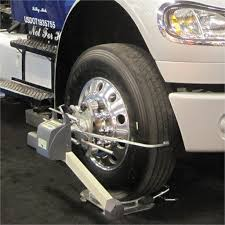
Commercial Truck Front End Alignment is the process of adjusting the angles of the front wheels so they are properly aligned with the truck’s frame and suspension geometry. The goal is to ensure that the tires meet the road at the correct angle, improving handling, safety, and tire wear.
Key Alignment Angles Explained Simply
- Toe: Direction the tires point relative to each other
- Camber: Inward or outward tilt of the tires
- Caster: Forward or backward tilt of the steering axis
When these angles are off—even slightly—heavy-duty trucks can suffer from accelerated tire wear, poor fuel economy, and unsafe handling.
Read too: Franklin Truck Parts Near Me: Your Complete Guide to Local Truck Parts & Repair Solutions
Why Is Front End Alignment So Important for Commercial Trucks?
Commercial trucks are heavier, driven longer distances, and carry varying loads. This makes them far more sensitive to misalignment than passenger vehicles.
Key Reasons Alignment Matters
- Tires are one of the biggest operating costs
- Poor alignment increases rolling resistance
- Misalignment affects steering and braking
- DOT inspections often flag uneven tire wear
📊 Industry maintenance data shows that misaligned commercial trucks can reduce tire life by 25–50%, leading to thousands of dollars in unnecessary replacement costs per year.
What Causes Commercial Truck Alignment Problems?
Front end alignment doesn’t fail randomly. It’s usually caused by real-world driving conditions.
Common Causes
- Potholes and rough roads
- Curbs and loading dock impacts
- Suspension wear (bushings, kingpins)
- Overloading or uneven loads
- Accident or curb strikes
Even one hard impact can knock a heavy-duty truck out of alignment.
Signs Your Truck Needs a Front End Alignment
Many operators ignore early warning signs until damage is severe.
Common Symptoms to Watch For
- Truck pulls left or right while driving straight
- Steering wheel is off-center
- Uneven or rapid tire wear
- Feathered or cupped tire edges
- Poor straight-line stability
📌 If you notice any one of these, it’s time to schedule an alignment check.
How Often Should Commercial Trucks Get Front End Alignment?
There’s no single rule, but best practices exist.
General Guidelines
- Every 50,000–75,000 miles
- After replacing steering or suspension parts
- After new tire installation
- After accidents or curb impacts
- When uneven tire wear appears
For fleet operations, alignment checks are often tied to preventive maintenance schedules.
What Happens During a Commercial Truck Front End Alignment?
Step-by-Step Alignment Process
- Initial inspection
Technician checks tires, suspension, and steering components. - Measurement with alignment equipment
Heavy-duty alignment machines measure toe, camber, and caster. - Adjustments are made
Technicians adjust tie rods, axle positions, or suspension components. - Final verification
Angles are rechecked to confirm they meet manufacturer specs.
⏱️ Typical time required: 1.5–3 hours, depending on truck type and condition.
Front End Alignment vs Full Truck Alignment
Many people confuse the two.
Key Differences
| Type | What It Adjusts | Best For |
|---|---|---|
| Front End Alignment | Front axle only | Most trucks |
| Full Alignment | Front + rear axles | Severe wear issues |
📌 In many cases, front end alignment alone solves the problem, but rear axle alignment may be needed if tire wear persists.
How Much Does Commercial Truck Front End Alignment Cost?
Typical US Cost Range
| Truck Type | Estimated Cost |
|---|---|
| Medium-duty truck | $150–$300 |
| Heavy-duty truck | $200–$450 |
| Full multi-axle alignment | $400–$800 |
While alignment may seem expensive upfront, it’s minor compared to tire replacement costs, which can exceed $3,000–$6,000 per set.
How Alignment Affects Tire Life
Tires are one of the clearest indicators of alignment health.
Alignment Impact on Tires
| Alignment Condition | Tire Result |
|---|---|
| Proper alignment | Even, long wear |
| Toe misalignment | Feathered edges |
| Camber issues | Inside/outside wear |
| Caster problems | Poor steering return |
Proper alignment can extend tire life by tens of thousands of miles.
Fuel Efficiency and Alignment: The Hidden Connection
Misaligned wheels increase rolling resistance.
What That Means in Practice
- Engine works harder
- More fuel burned per mile
- Higher operating costs
Fleet studies show that correcting alignment can improve fuel economy by 2–5%, which adds up significantly over long-haul operations.
Is Front End Alignment a Safety Issue?
Yes—absolutely.
Safety Risks of Poor Alignment
- Reduced steering control
- Longer stopping distances
- Increased driver fatigue
- Higher blowout risk from uneven wear
For commercial vehicles, these risks affect not only drivers, but everyone on the road.
DIY Alignment vs Professional Service
Some operators wonder if alignment can be done in-house.
DIY Alignment
Pros
- Lower immediate cost
Cons
- Requires specialized equipment
- High risk of inaccurate adjustment
- Not recommended for heavy-duty trucks
Professional Alignment
Pros
- Accurate measurements
- Certified technicians
- Manufacturer specifications followed
Cons
- Higher upfront cost
👉 For commercial trucks, professional alignment is strongly recommended.
Preventive Maintenance Tips to Keep Alignment Longer
You can’t avoid all alignment issues—but you can reduce them.
Best Practices
- Avoid curbs and tight turns when possible
- Maintain proper tire pressure
- Balance loads evenly
- Replace worn suspension parts promptly
- Inspect tires regularly
Preventive care helps alignment stay within spec longer.
Alignment and DOT Inspections
While alignment itself isn’t a direct DOT requirement, its effects are.
DOT-Related Issues Linked to Alignment
- Uneven tire wear
- Steering play
- Suspension damage
Addressing alignment proactively helps avoid roadside violations and downtime.
How Alignment Fits Into Fleet Maintenance Strategy
Smart fleets treat alignment as an investment, not an expense.
Fleet Benefits
- Lower tire replacement frequency
- Predictable maintenance costs
- Improved driver satisfaction
- Reduced accident risk
Over time, alignment becomes one of the highest ROI maintenance services.
Understanding Wheel Alignment (Basic Overview)
Wheel alignment principles apply across all vehicles, though commercial trucks require heavier equipment and tighter tolerances. For a general explanation of wheel alignment concepts, you can reference Wikipedia:
👉 https://en.wikipedia.org/wiki/Wheel_alignment
Common Myths About Commercial Truck Alignment
- ❌ “New tires don’t need alignment”
- ❌ “If it drives straight, alignment is fine”
- ❌ “Alignment is only for steering issues”
In reality, alignment affects tires, fuel, safety, and handling—even if symptoms aren’t obvious yet.
FAQ: Commercial Truck Front End Alignment
❓ How long does front end alignment last?
It depends on road conditions and driving habits, but many trucks stay in spec for 50,000+ miles.
❓ Can misalignment cause vibrations?
Yes. While balance issues are more common, alignment problems can contribute to vibration.
❓ Should alignment be done with a load?
Some shops align trucks at typical operating weight for best real-world accuracy.
❓ Is alignment needed after tire replacement?
Strongly recommended. New tires will wear unevenly if alignment is off.
❓ Does alignment affect steering wheel position?
Yes. Proper alignment centers the steering wheel correctly.
Conclusion
Commercial Truck Front End Alignment is one of the most cost-effective maintenance services available to fleets and owner-operators. It improves safety, extends tire life, reduces fuel costs, and protects your investment—often paying for itself in a single tire cycle.
🚛 If this guide helped you, share it with fleet managers, drivers, or anyone responsible for keeping commercial trucks safe and profitable on the road.
Leave a Reply