
Finding a reliable Commercial Truck Parking Space For Rent is one of the biggest challenges facing owner-operators and fleet managers today. With truck parking shortages increasing across the U.S., safe and legal parking has become both expensive and competitive. If you’re struggling to secure dependable truck parking near highways, industrial areas, or distribution centers, this guide will walk you through everything you need to know.
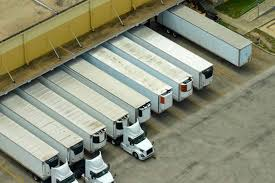
What Is Commercial Truck Parking Space For Rent?
A Commercial Truck Parking Space For Rent refers to a designated area where semi-trucks, box trucks, or commercial vehicles can legally park for a fee. These spaces are typically located in:
- Secured storage lots
- Industrial parks
- Logistics hubs
- Warehouse properties
- Dedicated truck yards
Read too: Top Trucking Companies That Still Have Manual Transmissions
Unlike free roadside parking, commercial parking lots offer enhanced security, longer-term availability, and compliance with local zoning regulations.
For context, commercial vehicle regulations vary by state. You can learn more about commercial vehicle classifications here:
https://en.wikipedia.org/wiki/Commercial_vehicle
Why Is Truck Parking So Hard to Find?
Truck parking shortages are a nationwide issue.
According to transportation research data, there is approximately 1 legal parking space for every 11 trucks on the road in the U.S. This imbalance creates:
- Increased competition
- Higher rental costs
- Safety risks
- Hours-of-service violations
The shortage is particularly severe near:
- Major metropolitan areas
- Ports
- Freight corridors
- Distribution centers
This makes renting a secure truck parking space not just convenient—but often necessary.
How Much Does Commercial Truck Parking Space For Rent Cost?
Costs vary depending on location, security level, and lease duration.
Average Monthly Cost (U.S.)
| Location Type | Monthly Cost |
|---|---|
| Rural areas | $100–$300 |
| Suburban industrial zones | $250–$500 |
| Major metro areas | $500–$1,200+ |
What Affects Pricing?
- Location proximity to highways
- Security features (gated, cameras, guards)
- Covered vs uncovered space
- Short-term vs long-term lease
- Space size (tractor only vs tractor-trailer)
Premium parking near large cities like Los Angeles, Chicago, or New York can exceed $1,500 per month due to land value and zoning restrictions.
What Features Should You Look For in Truck Parking?
Not all parking spaces are equal.
Essential Features
- 24/7 access
- Secure gated entry
- Surveillance cameras
- Adequate lighting
- Paved surface
- Clear lease agreement
Optional but Valuable Features
- Electrical hookups
- Maintenance access
- On-site restroom facilities
- Snow removal service
- Flexible cancellation terms
Security is critical. Cargo theft remains a significant issue in logistics operations, especially in unsecured areas.
Is Long-Term or Short-Term Truck Parking Better?
The right option depends on your business model.
Short-Term Parking
Best for:
- Owner-operators on irregular routes
- Seasonal operations
- Temporary contracts
Pros:
- Flexible
- No long commitment
Cons:
- Higher per-day cost
- Limited availability
Long-Term Parking
Best for:
- Fleet operators
- Consistent regional routes
- Growing logistics businesses
Pros:
- Lower monthly rate
- Guaranteed spot
- Contract stability
Cons:
- Requires lease commitment
Many fleet managers negotiate 6–12 month agreements to secure better pricing.
How to Find Commercial Truck Parking Space For Rent (Step-by-Step)
Finding the right parking space requires planning.
Step 1: Define Your Needs
- Tractor only or full trailer?
- 53-foot trailer clearance?
- Daily access required?
Step 2: Search Strategically
Use:
- Local industrial real estate listings
- Trucking associations
- Online parking marketplaces
- Direct outreach to warehouse owners
Step 3: Inspect the Lot in Person
Verify:
- Surface condition (no potholes)
- Security measures
- Space dimensions (minimum 75–80 feet depth for trailer maneuvering)
- Turning radius clearance (at least 50 feet recommended)
Step 4: Review the Lease Agreement
Check for:
- Liability clauses
- Insurance requirements
- Payment terms
- Termination notice period (usually 30–60 days)
Step 5: Confirm Zoning Compliance
Ensure the property is zoned for commercial vehicle parking to avoid fines.
Commercial Truck Parking vs Free Truck Stops
Many drivers rely on truck stops. However, dedicated parking spaces offer advantages.
Comparison Overview
| Feature | Commercial Parking | Truck Stops |
|---|---|---|
| Guaranteed Spot | Yes | No |
| Security | Higher | Moderate |
| Cost | Monthly fee | Often free (limited) |
| Availability | Reserved | First-come, first-served |
| Long-Term Use | Yes | Not designed for it |
If you consistently struggle to find truck stop parking after 7 PM, renting space may save time and stress.
Legal Considerations When Renting Truck Parking
Parking commercial vehicles in residential areas can result in fines or towing.
Before signing a lease, confirm:
- Zoning permits commercial vehicle parking
- Local ordinances allow overnight parking
- Insurance requirements are clear
- Liability terms are understood
Some property owners require proof of:
- Commercial auto insurance
- General liability coverage
- Valid CDL registration
Case Study: Small Fleet Cost Comparison
A 5-truck fleet in Atlanta faced recurring parking fines averaging $300 per violation. After securing a Commercial Truck Parking Space For Rent at $600 per truck per month, they reduced:
- Parking tickets by 100%
- Theft incidents to zero
- Driver stress significantly
The predictable monthly cost ultimately proved more economical.
How Secure Should Truck Parking Be?
Security level depends on cargo type.
High-value cargo (electronics, pharmaceuticals, automotive parts) requires:
- Controlled entry access
- 24/7 video surveillance
- Well-lit perimeters
- Fencing (minimum 6–8 feet high)
Unsecured parking significantly increases cargo theft risk.
Can You Rent Space on Private Property?
Yes, but verify legality.
Warehouse owners and industrial property managers often lease unused yard space. Always confirm:
- Proper zoning
- Written agreement
- Insurance compliance
- Defined parking boundaries
Handshake agreements can lead to disputes later.
Pros and Cons of Renting Commercial Truck Parking
Advantages
- Guaranteed parking
- Improved security
- Legal compliance
- Reduced stress
- Predictable cost
Disadvantages
- Monthly expense
- Contract obligation
- Location constraints
For most professional operators, the benefits outweigh the drawbacks.
How to Negotiate Better Rates
Try these strategies:
- Commit to 6–12 month lease
- Rent multiple spaces
- Offer upfront payment discount
- Share lot with another fleet
- Avoid high-demand urban zones
Even a $100 monthly reduction per truck can save thousands annually for larger fleets.
FAQ: Commercial Truck Parking Space For Rent
How much does commercial truck parking cost per month?
Typically between $100 and $1,200 per month, depending on location and security features.
Is truck parking tax deductible?
Yes. For businesses, parking rental expenses are generally considered operational costs.
Can I park my semi-truck in a residential area?
In most cities, overnight commercial truck parking in residential zones is restricted or prohibited.
What size parking space do I need for a semi-truck?
A standard 53-foot trailer setup typically requires 75–80 feet depth and adequate turning space.
Do I need insurance to rent truck parking?
Most landlords require proof of commercial auto insurance and sometimes general liability coverage.
Conclusion
Securing a Commercial Truck Parking Space For Rent is no longer a luxury—it’s a strategic necessity for many trucking professionals. With nationwide shortages, rising fines, and increasing cargo theft, dedicated parking offers security, compliance, and peace of mind.
By evaluating location, security features, lease terms, and pricing carefully, you can find a parking solution that supports your business growth and operational efficiency.
If this guide helped clarify your options, share it with fellow drivers, fleet managers, or logistics professionals who may be facing the same parking challenges.
Leave a Reply