
Contractors often struggle to place concrete efficiently in tight, elevated, or hard-to-reach areas. Traditional chute trucks can be limiting, causing delays and extra labor. A Concrete Truck With Conveyor Belt solves these problems by delivering concrete precisely where it’s needed, reducing waste and speeding up the entire process. This guide explores how these trucks work, their advantages, costs, and real-world applications.
What Is a Concrete Truck With Conveyor Belt?
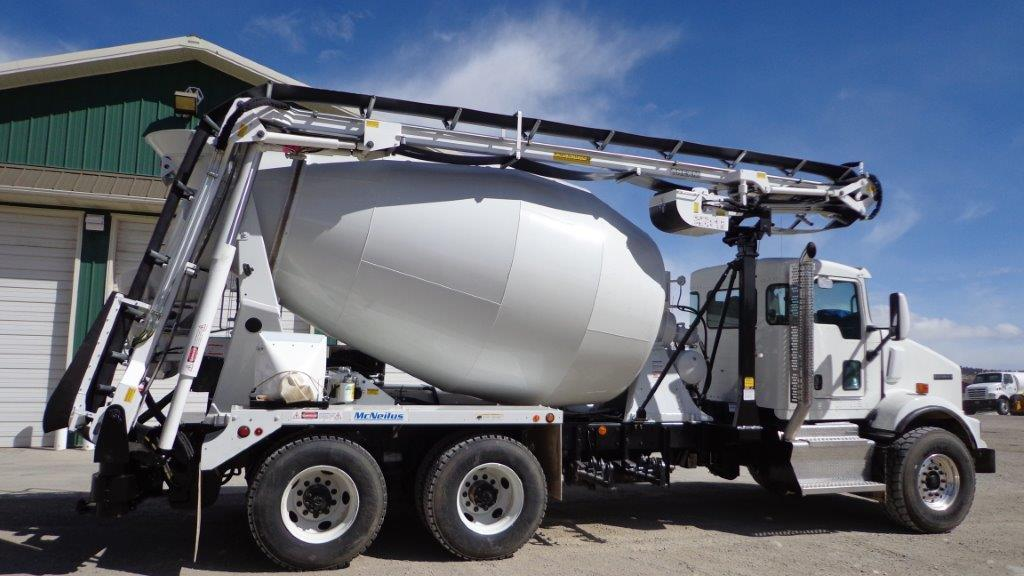
A Concrete Truck With Conveyor Belt is a specialized mixer truck equipped with a rotating conveyor system that can place concrete at extended distances and heights. Unlike standard chute mixers that rely on gravity, conveyor belt trucks can actively transport concrete to precise locations on a jobsite.
Read too: Top Trucking Companies That Still Have Manual Transmissions
The conveyor typically extends between 30 to 40 feet and can deliver up to 90–120 cubic yards per hour, depending on the model.
According to data from construction equipment manufacturers, using a conveyor system can increase placement efficiency by 25–40% compared to traditional chute methods.
For basic background on concrete and its uses, see [Wikipedia – Concrete] (external authoritative link required).
How Does a Concrete Truck With Conveyor Belt Work?
The system combines a rotating drum, belt controls, and hydraulic power to move concrete effectively.
Key Components
- Mixer Drum: Keeps concrete rotating to prevent setting.
- Hydraulic Conveyor: Moves concrete using motorized rollers.
- Telescoping Boom: Extends reach horizontally and vertically.
- Remote Controls: Allow operators to maneuver the belt precisely.
- Safety Sensors: Prevent overload and ensure controlled discharge.
Step-by-Step Operation
- Load the concrete mix at the batching plant.
- Transport to the jobsite while drum rotates at 2–6 RPM.
- Position the truck within 20–40 feet of the pour area.
- Extend the conveyor boom to the desired length and angle.
- Activate hydraulic system to start the conveyor belt.
- Control flow rate using remote speed adjustments.
- Place concrete directly where needed without additional equipment.
This method reduces labor-intensive wheelbarrow use and eliminates unnecessary rehandling of material.
What Are the Benefits of Using a Concrete Truck With Conveyor Belt? (H2 with keyword)
Contractors often choose conveyor trucks for their speed, flexibility, and cost-efficiency.
Major Advantages
1. Faster Concrete Placement
Studies show conveyor trucks can place concrete up to 50% faster than chute-only delivery.
2. Reduced Labor Costs
No need for multiple laborers pushing wheelbarrows or repositioning chutes.
3. Access to Hard-to-Reach Areas
Conveyors can deliver concrete over:
- Retaining walls
- Fences
- Trenches
- Basements
- Elevated surfaces
- Landscape barriers
4. More Precise Placement
The operator can adjust height, angle, and speed for a clean, controlled pour.
5. Fewer Material Spills & Waste
Precision application means less cleanup and fewer mix losses.
Concrete Truck With Conveyor Belt vs. Standard Concrete Mixer
Below is a comparison chart for quick reference:
| Feature | Conveyor Belt Truck | Standard Mixer Truck |
|---|---|---|
| Reach | 30–40 ft+ | 12–16 ft (chutes) |
| Speed | Faster placement | Moderate |
| Labor Needs | 2–3 workers | 4–6 workers |
| Ideal For | Hard-to-reach pours | Open-area pours |
| Cost | Slightly higher | Lower |
| Accuracy | High precision | Low precision |
Conveyor trucks shine in jobs requiring targeted placement and efficiency.
What Projects Benefit Most From Conveyor Belt Trucks?
A Concrete Truck With Conveyor Belt is especially useful for:
Residential Construction
- Backyard patios
- Driveways with obstacles
- Pool decks
- Footing pours
Commercial Jobs
- Parking lots
- Foundation walls
- Retaining wall backfills
- Sidewalk systems
Infrastructure Projects
- Drainage channels
- Culvert installations
- Bridge repairs
- Utility trench fills
Most contractors report saving 30–50 minutes per load when using a conveyor truck for complex pours.
How Much Does a Concrete Truck With Conveyor Belt Cost to Hire?
Pricing depends on distance, job type, and concrete volume.
Typical Cost Breakdown
| Service | Average Cost |
|---|---|
| Conveyor Truck Delivery Fee | $250–$450 per load |
| Per Minute Conveyor Use | $2–$3 per minute |
| Minimum Time Charge | 10–15 minutes |
| Travel Fees | $5–$9 per mile |
For large pours, the efficiency gains often outweigh the rental cost.
Safety Tips When Using a Concrete Truck With Conveyor Belt
Safety is crucial. Industry organizations recommend:
1. Maintain a Clear Work Zone
Keep a 10–15 ft safety radius around the conveyor when operating.
2. Wear Required PPE
Operators and workers should use:
- Hard hats
- Gloves
- Eye protection
- Steel-toe boots
3. Watch for Overhead Hazards
Conveyors should never contact:
- Power lines
- Metal structures
- Scaffolding
4. Monitor Belt Speed
High speeds may cause splash or excessive buildup at the pour area.
Maintenance Requirements for Conveyor Belt Trucks
To maintain reliable operation:
Routine Maintenance Checklist
- Inspect belt for wear every 50 hours
- Clean belt after each job
- Lubricate hydraulic rollers weekly
- Check drum rotation settings
- Inspect telescoping boom components
Proper maintenance ensures consistent speed and avoids belt slipping.
How to Choose the Best Concrete Truck With Conveyor Belt Service
Use this checklist before booking:
1. Check Equipment Age
Newer systems (less than 10 years old) offer better precision.
2. Ask About Capacity
Trucks should deliver 90–120 cubic yards per hour for large jobs.
3. Confirm Operator Certification
Experienced operators reduce spillage and errors.
4. Read Customer Reviews
Look for reliability, timeliness, and jobsite cleanliness.
5. Get Written Pricing
Clear estimates help avoid unexpected charges later.
Step-by-Step Guide: Preparing Your Site for Conveyor Concrete Delivery
Follow these steps to maximize efficiency:
- Clear all obstacles within 20–40 feet of the truck access path.
- Level the receiving area to prevent uneven settling.
- Use moisture barriers if pouring near wood or insulation.
- Prepare wheelbarrows or rakes to manage overflow.
- Mark the pour zones using stakes or string.
- Confirm concrete slump with supplier (4–6 inches is standard).
- Communicate instructions clearly with the truck operator.
These steps save time and ensure proper placement.
FAQ Section
Q1: What is the reach of a Concrete Truck With Conveyor Belt?
A: Most conveyor trucks reach 30–40 feet, with some models achieving up to 50 feet depending on the manufacturer.
Q2: How fast can a conveyor belt truck deliver concrete?
A: Many units deliver 90–120 cubic yards per hour, significantly faster than manual placement.
Q3: Is a conveyor truck better for residential jobs?
A: Yes. They excel at backyard pours, pool decks, patios, and sites with fences or elevation challenges.
Q4: How much does conveyor truck delivery cost?
A: Expect $250–$450 per load, plus $2–$3 per minute of conveyor belt operation.
Q5: Can a conveyor truck pour concrete upstairs or over walls?
A: Yes. The adjustable boom and belt allow pouring over obstacles up to several feet high.
Q6: Does concrete quality change when using a conveyor belt?
A: No. The belt simply transports the mix; slump and strength remain unchanged.
Conclusion
A Concrete Truck With Conveyor Belt offers unmatched efficiency, speed, and precision for both residential and commercial concrete placements. Its ability to reach hard-to-access areas can save contractors time, reduce labor costs, and ensure cleaner pours. If this guide helped you understand conveyor belt concrete delivery, feel free to share it on your social media so others can benefit from this knowledge.
Leave a Reply