
Running out of warehouse space is a common and costly problem for growing businesses. The Crown Narrow Aisle Reach Truck is designed specifically to solve this challenge by allowing operators to work efficiently in tight aisles while lifting loads to impressive heights. In this guide, you’ll learn what it is, why it matters, and how to decide if it’s the right solution for your operation.
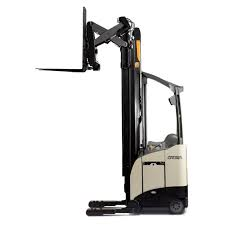
What Is a Crown Narrow Aisle Reach Truck?
A Crown Narrow Aisle Reach Truck is a specialized type of forklift engineered for high-density warehouse storage. Unlike standard counterbalance forklifts, reach trucks are built to operate in very narrow aisles (VNAs) while still reaching high rack levels.
Crown reach trucks are manufactured by Crown Equipment Corporation, a U.S.-based leader in material handling equipment known for durability, operator-focused design, and advanced safety systems.
Key characteristics
- Designed for aisles as narrow as 8–9 feet
- Lift heights exceeding 30–40 feet, depending on model
- Electric-powered for indoor warehouse use
- Reach mechanism that extends forks into racking
Read too: Top Trucking Companies That Still Have Manual Transmissions
Why Use a Narrow Aisle Reach Truck in Modern Warehouses?
The warehouse space problem
According to industry studies, up to 60% of warehouse costs are directly related to space utilization and labor efficiency. Traditional forklifts require wide aisles, which limits how much inventory you can store.
How Crown reach trucks solve this
- More pallet positions without expanding the building
- Reduced travel distance per pick
- Improved vertical storage utilization
📊 Industry benchmark: Narrow aisle systems can increase storage capacity by 25–40% compared to conventional layouts.
How Does a Crown Narrow Aisle Reach Truck Work?
A reach truck uses a pantograph or moving mast system that allows the forks to extend forward into the rack and retract when traveling.
Step-by-step operation (simplified)
- Approach the rack in a narrow aisle (aisle width ~2.7 m / 9 ft).
- Raise the mast to the required rack height.
- Extend the reach mechanism to place or retrieve the pallet.
- Retract forks fully before reversing.
- Lower the load to travel height for stability.
This design keeps the truck compact while handling high lifts safely.
Key Features of Crown Narrow Aisle Reach Trucks
1. Advanced Stability Systems
Crown reach trucks are known for electronic stability controls that:
- Monitor load weight
- Adjust travel speed at height
- Reduce tip-over risk
2. Ergonomic Operator Compartment
- Adjustable controls
- Clear visibility mast design
- Reduced fatigue during long shifts
3. Intelligent Performance Technology
- Programmable travel speeds
- Lift height control
- Operator access management
💬 Material handling experts consistently rank operator ergonomics as one of the top factors influencing picking speed and safety.
Crown Narrow Aisle Reach Truck vs Standard Forklift
| Feature | Crown Reach Truck | Standard Forklift |
|---|---|---|
| Aisle width needed | 8–9 ft | 12–14 ft |
| Max lift height | Up to 40 ft | 15–20 ft |
| Indoor use | Excellent | Moderate |
| Storage density | Very high | Medium |
| Energy source | Electric | LPG / Diesel / Electric |
Verdict: If your warehouse uses high racking and narrow aisles, a reach truck clearly outperforms traditional forklifts.
Industries That Benefit Most from Crown Reach Trucks
- E-commerce fulfillment centers
- Retail distribution warehouses
- Cold storage facilities
- Pharmaceutical and medical supply chains
- Food & beverage logistics
These industries depend on fast picking, vertical storage, and consistent uptime—exactly where Crown narrow aisle solutions excel.
How Much Does a Crown Narrow Aisle Reach Truck Cost?
Pricing depends on model, lift height, battery type, and technology options.
Typical price ranges (US market)
| Category | Estimated Cost |
|---|---|
| Used reach truck | $18,000 – $30,000 |
| New reach truck | $35,000 – $55,000 |
| Lithium-ion battery upgrade | +$5,000 – $10,000 |
💡 Cost insight: While the upfront cost is higher than a standard forklift, most operators recover the investment through space savings and productivity gains within 2–3 years.
Safety Considerations You Should Not Ignore
Operating in narrow aisles at high lift heights requires strict safety discipline.
Best practices
- Certified operator training
- Rack system compatibility checks
- Speed reduction at height
- Daily pre-shift inspections
For general background on forklift safety and classifications, see:
👉 https://en.wikipedia.org/wiki/Forklift
Maintenance and Operating Costs
What affects long-term costs?
- Battery type (lead-acid vs lithium-ion)
- Tire wear (polyurethane tires last longer indoors)
- Software diagnostics and updates
Average annual maintenance
Most warehouses report $1,500–$2,500 per year in routine service costs for a Crown reach truck under normal usage.
Buying vs Renting a Crown Narrow Aisle Reach Truck
Buying makes sense if:
- You operate multiple shifts
- Warehouse layout is permanent
- Long-term ROI is a priority
Renting makes sense if:
- Demand is seasonal
- You’re testing a new warehouse layout
- Capital expenditure is limited
FAQ – Crown Narrow Aisle Reach Truck
What aisle width is required for a Crown Narrow Aisle Reach Truck?
Most models operate efficiently in aisles between 8 and 9 feet, depending on pallet size and rack configuration.
How high can a Crown reach truck lift?
Depending on the model, lift heights can exceed 40 feet, making them ideal for high-bay warehouses.
Is a Crown reach truck difficult to operate?
With proper training, operators often find Crown reach trucks easier and less tiring than traditional forklifts due to ergonomic design.
Are Crown Narrow Aisle Reach Trucks electric only?
Yes, they are designed for electric indoor operation, ensuring low emissions and quiet performance.
How long does the battery last?
A standard battery lasts one full shift (8–10 hours), while lithium-ion options support opportunity charging throughout the day.
Conclusion
The Crown Narrow Aisle Reach Truck is a powerful solution for warehouses that need to store more, move faster, and operate safely in limited space. By maximizing vertical storage, improving picking efficiency, and reducing aisle width requirements, it delivers measurable ROI for modern distribution centers.
Leave a Reply