
When your commercial vehicle fails a D.O.T inspection or shows signs of mechanical trouble, it can disrupt your entire operation. Drivers lose time, deliveries get delayed, and compliance issues can lead to costly penalties. That’s why D.O.T truck repair services are essential for maintaining safety, avoiding violations, and keeping your trucks on the road. This guide explains everything you need to know—clearly, simply, and with real-world data.
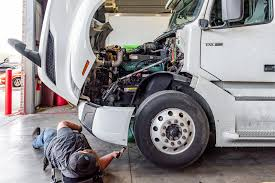
What Is D.O.T Truck Repair and Why Is It Important?
D.O.T truck repair refers to the maintenance and corrective actions needed to ensure a commercial vehicle meets all Department of Transportation safety and regulatory standards. These repairs focus on critical systems such as brakes, tires, lighting, suspension, steering, and load-securement.
Read too: Top Trucking Companies That Still Have Manual Transmissions
According to the Federal Motor Carrier Safety Administration (FMCSA), over 30% of roadside inspection failures come from issues that could have been prevented with regular maintenance.
Key Benefits of D.O.T Truck Repair
- Ensures compliance with federal safety laws
- Reduces risk of out-of-service violations
- Improves driver safety
- Extends vehicle lifespan
- Minimizes expensive breakdowns on the road
- Helps maintain a strong CSA score
For readers who want an overview of D.O.T regulations, the Department of Transportation is explained in detail at Wikipedia (external authoritative reference).
Common Reasons Trucks Fail D.O.T Inspections
Understanding what inspectors look for can help you avoid downtime. Here are the most frequent D.O.T violations:
1. Brake System Problems
FMCSA reports that brake issues account for nearly 25% of out-of-service violations.
Common problems include:
- Worn brake linings
- Air leaks
- Faulty brake chambers
- Imbalanced braking
2. Tire and Wheel Issues
Misaligned, worn, or under-inflated tires are a major cause of violations.
- Tread depth below 4/32”
- Visible bulges or cuts
- Cracked rims
3. Lighting & Electrical Failures
Burned-out lights are among the easiest and cheapest issues to fix but remain one of the most common violations.
- Non-working brake lights
- Broken turn signals
- Damaged wiring
4. Steering & Suspension Defects
Steering failures can cause severe accidents.
Common issues:
- Worn kingpins
- Loose steering components
- Cracked leaf springs
5. Fluid Leaks
Leaks in fuel, coolant, or hydraulic systems are immediate red flags for inspectors.
Use the list above as a quick pre-trip check to reduce your risk of violations.
How Does D.O.T Truck Repair Work? (Step-by-Step Guide)
If a truck fails inspection or shows signs of trouble, here’s what the repair process typically looks like:
1. Initial D.O.T Inspection
A certified mechanic performs:
- A full visual check
- Brake measurements
- Tire pressure and tread checks
- Light and wiring tests
- Undercarriage inspection
Tip: Many shops offer Level 1, 2, and 3 inspections. Level 1 is the most comprehensive.
2. Diagnostic Tests
Shops use advanced tools to pinpoint issues:
- Computerized engine diagnostics
- Brake system pressure tests
- Electrical load testing
- Alignment measurements
This ensures repairs are accurate and efficient.
3. Repair & Replacement of Faulty Components
Depending on the failure, repairs may include:
- Installing new brake pads, drums, or chambers
- Replacing worn tires
- Fixing electrical systems
- Repairing suspension components
- Sealing fluid leaks
Most reputable shops use OEM or high-quality parts to ensure reliability.
4. Post-Repair Verification
After repairs, mechanics re-test all systems to guarantee compliance.
This often includes:
- Brake re-measurement
- Tire pressure check
- Alignment test
- Wiring continuity test
5. Certification & Documentation
After passing inspection, you receive:
- Compliance documentation
- Repair logs
- Maintenance records
These documents may be required during roadside checks.
What to Look for in a Professional D.O.T Truck Repair Shop
Choosing the right repair service is essential for long-term fleet health. Here’s what separates the best shops from the rest:
✔ DOT-Certified Technicians
Make sure mechanics are trained in FMCSA regulations.
✔ 24/7 Roadside Assistance
Breakdowns don’t follow business hours.
✔ Digital Diagnostics Tools
Modern trucks require advanced scanning tools.
✔ Fast Turnaround Times
Downtime means lost revenue.
✔ Transparent Pricing
Avoid shops that can’t estimate costs upfront.
✔ Fleet Maintenance Programs
If you manage multiple vehicles, monthly preventive plans save money long-term.
D.O.T Repair vs. Standard Truck Repair: What’s the Difference?
| Feature | D.O.T Truck Repair | Standard Truck Repair |
|---|---|---|
| Focus | Compliance & safety | General maintenance |
| Required By Law? | Yes | No |
| Inspection Scope | Detailed, regulated | Basic checks |
| Documentation | Must be recorded | Optional |
| Frequency | Annual + random checks | As needed |
| Penalties | Fines & shutdown | None |
D.O.T repairs are compliance-driven and legally mandatory. Standard repairs only address typical wear and tear.
Signs Your Truck Needs D.O.T-Related Repairs
Even before an official inspection, you can spot warning signs.
Physical Signs
- Uneven tire wear
- Leaking fluid under the vehicle
- Excessive brake noise
- Loose steering
Performance Signs
- Reduced braking power
- Pulling to one side
- Dim headlights
- Delayed engine response
Addressing these issues early can prevent expensive breakdowns.
How Often Should D.O.T Truck Repair Be Performed?
FMCSA recommends:
- Annual full D.O.T inspection (required by law)
- Quarterly preventive maintenance for commercial vehicles
- Daily pre-trip inspections by the driver
Many fleets adopt a 30-60-90 day maintenance cycle, depending on mileage and cargo type.
Mileage-Based Guidelines
- Every 10,000 miles: oil and filter service
- Every 20,000 miles: brake inspection
- Every 40,000–50,000 miles: alignment & suspension check
Cost of D.O.T Truck Repair: What Should You Expect?
Costs vary based on vehicle type and issue severity, but here are typical industry averages:
| Service | Typical Cost |
|---|---|
| DOT inspection | $60–$150 |
| Basic brake repair | $200–$400 |
| Tire replacement | $300–$900 each |
| Electrical repair | $100–$350 |
| Suspension repair | $300–$1,000 |
| Full DOT compliance repair | $300–$2,000+ |
Preventive maintenance always costs less than emergency repairs.
How to Prevent D.O.T Violations (Expert Tips)
Here are practical tips used by experienced fleet managers:
1. Conduct Daily Pre-Trip Inspections
Drivers should check:
- Lights
- Tires
- Brakes
- Mirrors
- Load securement
A 5-minute inspection can prevent major issues.
2. Keep a Maintenance Log
Digital apps make paperwork simple.
3. Choose High-Quality Parts
Cheap parts fail faster and cause repeat violations.
4. Train Drivers on Compliance Basics
Many violations come from unawareness.
5. Use Telematics Systems
Telematics can track:
- Tire pressure
- Brake performance
- Engine faults
- Fuel efficiency
Real-time alerts help prevent roadside breakdowns.
FAQ: D.O.T Truck Repair
Q1: How long does a typical D.O.T truck repair take?
Most repairs take 2–6 hours, depending on the issue. Major repairs, such as brake overhauls or suspension work, may take a full day.
Q2: Can I drive my truck after failing a D.O.T inspection?
No. If your truck receives an out-of-service status, it cannot legally operate until repairs are completed and documented.
Q3: What happens during a Level 1 D.O.T inspection?
A Level 1 inspection checks:
- Driver documentation
- Brakes
- Steering
- Tires
- Lighting
- Cargo securement
It is the most thorough and takes around 45–60 minutes.
Q4: Are brake repairs required for every D.O.T inspection?
Not necessarily, but brakes are the most common cause of violations. If inspectors note uneven wear or low air pressure, repairs will be required.
Q5: Do D.O.T repairs apply to all commercial vehicles?
Yes. Any vehicle over 10,001 lbs used for commercial purposes must follow D.O.T regulations.
Q6: What documents should I keep after repairs?
Keep:
- Repair logs
- Mechanic certifications
- Receipts
- Inspection results
These documents help during audits and roadside inspections.
Conclusion
Keeping your truck D.O.T compliant isn’t just about avoiding fines—it’s about protecting drivers, reducing downtime, and improving overall fleet efficiency. With regular maintenance, professional inspections, and proactive repairs, your truck stays safe and road-ready.
Leave a Reply