
Finding consistent loads as a box truck owner can feel overwhelming. You’re juggling paperwork, rate negotiations, and route planning—often alone. That’s why Dispatching Services For Box Trucks have become essential for owner-operators and small fleet owners who want steady income without constant stress.
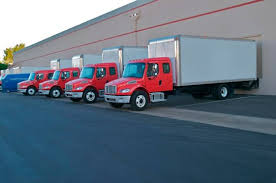
If you’re tired of searching load boards for hours or accepting low-paying freight, this guide will show you exactly how dispatching services work, what they cost, and how they can grow your business.
Read too: Franklin Truck Parts Near Me: Your Complete Guide to Local Truck Parts & Repair Solutions
What Are Dispatching Services For Box Trucks?
Dispatching Services For Box Trucks are third-party professionals who help box truck owners find freight, negotiate rates, manage paperwork, and coordinate schedules.
Think of a dispatcher as your business partner. Instead of driving and negotiating at the same time, you focus on the road while they handle:
- Searching load boards
- Negotiating higher rates
- Booking loads
- Managing broker communication
- Handling rate confirmations
- Submitting paperwork
According to logistics industry data, owner-operators using dispatching services often report 15–30% higher revenue consistency compared to those managing loads independently.
For a deeper understanding of freight transportation systems, see this overview on Wikipedia:
https://en.wikipedia.org/wiki/Freight_transport
Why Do Box Truck Owners Need Dispatching Services?
Many new operators underestimate how competitive the freight market is.
1. Time Efficiency
Searching load boards can take 2–4 hours daily. That’s unpaid time.
A dispatcher reduces that to near zero, allowing you to:
- Drive more miles
- Rest properly
- Focus on compliance
2. Better Rate Negotiation
Experienced dispatchers understand:
- Current market rates
- Seasonal demand trends
- Broker negotiation tactics
A $200 increase per load equals $800–$1,000 more weekly if you run 4–5 loads.
3. Reduced Stress
No constant phone calls while driving. No last-minute confusion about pickup times.
You operate. They coordinate.
How Do Dispatching Services For Box Trucks Work?
Let’s break this down step-by-step.
Step 1: Sign a Dispatch Agreement
You’ll sign a service contract outlining:
- Commission percentage (typically 5%–10%)
- Payment terms
- Service scope
Step 2: Provide Business Documents
Dispatchers require:
- MC number
- Insurance certificate
- W-9
- Authority letter
Step 3: Load Search & Negotiation
The dispatcher:
- Searches load boards (DAT, Truckstop, etc.)
- Calls brokers
- Negotiates rate (aiming above $1.80–$3.00 per mile depending on market)
- Sends you rate confirmation
Step 4: Ongoing Communication
Dispatcher:
- Confirms pickup/delivery times
- Handles check calls
- Manages broker paperwork
Step 5: Payment Follow-Up
Some dispatchers also:
- Assist with factoring companies
- Follow up on unpaid invoices
- Ensure faster cash flow
How Much Do Dispatching Services Cost?
Most dispatchers charge a percentage of gross load revenue.
Typical Cost Structure
| Service Type | Average Fee |
|---|---|
| Basic Dispatch | 5–7% |
| Full-Service Dispatch | 8–10% |
| Dedicated Fleet Management | 10–12% |
Example Calculation
If you gross $7,000 per week:
- 8% dispatch fee = $560
- Net revenue = $6,440 before expenses
If dispatcher helps you increase gross to $8,500:
- 8% fee = $680
- Net = $7,820
That’s a $1,380 increase even after fees.
What Loads Do Dispatchers Find for Box Trucks?
Box trucks (typically 16–26 ft) handle:
- LTL (Less Than Truckload)
- Last-mile delivery
- Retail freight
- Amazon relay loads
- Furniture and appliance delivery
- Medical equipment transport
High-Demand Industries in 2026
- E-commerce distribution
- Construction materials
- Healthcare supply chains
Dispatchers often specialize by freight type or region, increasing your efficiency.
Can Dispatching Services Help New Authority Box Truck Owners?
Yes—especially new authorities.
New carriers often struggle because:
- Brokers prefer carriers with 90+ days authority
- Insurance history is limited
- Credit score is unproven
Experienced dispatchers:
- Know which brokers work with new authorities
- Present your company professionally
- Build credibility over time
Case Study Example:
A Texas-based 24-ft box truck owner with 30-day authority increased weekly gross from $3,800 to $6,200 within 8 weeks using a professional dispatch service focused on regional freight.
Dispatching vs Self-Dispatch: Pros and Cons
Pros of Dispatching Services
- Time-saving
- Higher negotiated rates
- Reduced stress
- Industry expertise
- Load consistency
Cons
- Commission fees
- Less direct broker relationship
- Risk of inexperienced dispatcher
Pros of Self-Dispatching
- No commission
- Full control
- Direct broker relationships
Cons
- Time-consuming
- Lower negotiation leverage
- Inconsistent loads
How to Choose the Best Dispatching Service for Box Trucks
Not all dispatchers are equal. Here’s what to check.
1. Experience with Box Trucks
Ask:
- “How many box trucks do you currently manage?”
- “What’s your average weekly gross per truck?”
2. Transparent Fee Structure
Avoid:
- Upfront “registration fees”
- Hidden charges
Legitimate dispatchers work on commission.
3. Clear Communication
You should receive:
- Rate confirmations immediately
- Daily updates
- Written agreements
4. References or Reviews
Check:
- Google reviews
- Facebook business pages
- Industry forums
How to Maximize Profits with Dispatching Services
Dispatchers help—but your performance matters too.
Profit Optimization Checklist
- Maintain 95%+ on-time delivery rate
- Keep equipment well-maintained
- Reduce deadhead miles under 15%
- Track fuel cost per mile
- Run regional lanes consistently
Target Benchmarks (Box Truck)
- Gross weekly revenue: $6,000–$9,000
- Average rate per mile: $1.80–$3.00
- Fuel cost: $0.50–$0.70 per mile
Consistency beats occasional high-paying loads.
Technology & Tools Used by Professional Dispatchers
Modern dispatchers rely on:
- Load boards
- TMS (Transportation Management Systems)
- GPS tracking software
- Market rate analytics
This data-driven approach improves decision-making.
FAQ – Dispatching Services For Box Trucks
1. Are dispatching services worth it for one box truck?
Yes. Solo owner-operators often benefit the most because they lack time for negotiation and paperwork.
2. How much can a box truck make with a dispatcher?
On average, $6,000–$9,000 gross weekly depending on region and freight type.
3. Do dispatchers guarantee loads?
No legitimate dispatcher guarantees loads. They increase opportunities but market demand varies.
4. Can I switch dispatchers anytime?
Yes, depending on your contract terms. Most agreements are month-to-month.
5. Is dispatching legal?
Yes. Dispatchers operate legally as third-party service providers, not brokers (unless licensed as one).
6. Should new authorities hire dispatchers immediately?
If you lack broker relationships or negotiation experience, hiring a dispatcher early can stabilize your cash flow.
Conclusion
Dispatching Services For Box Trucks can transform your business from inconsistent income to predictable revenue. The right dispatcher helps you:
- Increase weekly gross
- Reduce stress
- Save time
- Improve broker relationships
- Grow from one truck to multiple units
Success in trucking isn’t just about driving—it’s about strategy.
If this guide helped you understand how dispatching works, share it with fellow box truck owners on social media. Growing together strengthens the entire trucking community.
Leave a Reply