
Finding a stable trucking job with consistent freight and predictable work is a top priority for many drivers. Dry Van Truck Driving Jobs are among the most common and beginner-friendly options in the U.S. trucking industry. In this guide, you’ll learn exactly what dry van trucking is, how much it pays, the pros and cons, and how to start or advance your career with confidence.
What Are Dry Van Truck Driving Jobs?
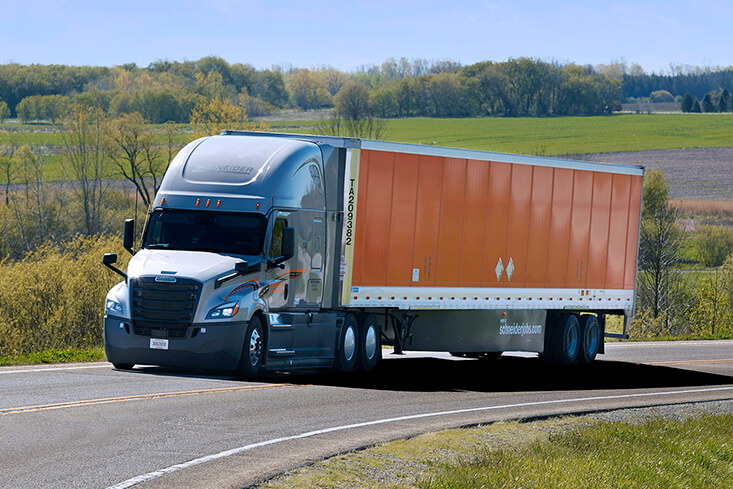
Dry Van Truck Driving Jobs involve hauling non-temperature-controlled freight using an enclosed trailer, typically 48 or 53 feet long. These trailers protect cargo from weather, theft, and damage, making them the most widely used trailer type in the United States.
Read too: Top Trucking Companies That Still Have Manual Transmissions
Common types of dry van freight
- Packaged consumer goods
- Electronics
- Clothing and retail products
- Palletized food (non-refrigerated)
- Paper goods and boxed materials
Because of their versatility, dry van loads are available year-round, providing steady miles and income for drivers.
Why Are Dry Van Truck Driving Jobs So Popular?
Dry van trucking is often considered the entry point into professional truck driving—and for good reason.
Key reasons drivers choose dry van jobs
- Consistent freight availability
- Less physical labor compared to flatbed
- Lower stress than specialized hauling
- Wide range of employers, from small fleets to national carriers
📊 Industry insight: The majority of long-haul freight in the U.S. moves in dry van trailers, making this role one of the most in-demand trucking jobs nationwide.
How Much Do Dry Van Truck Driving Jobs Pay?
Pay varies based on experience, route type, and employer, but dry van jobs offer competitive and reliable earnings.
Average pay ranges (U.S.)
| Experience Level | Typical Annual Pay |
|---|---|
| New driver (0–1 yr) | $45,000 – $60,000 |
| Mid-level (2–5 yrs) | $60,000 – $75,000 |
| Experienced (5+ yrs) | $75,000 – $90,000+ |
Pay structures may include:
- Cents per mile (CPM)
- Hourly pay (local routes)
- Bonuses for safety, fuel efficiency, or miles
💡 Tip: Many drivers increase income by choosing OTR (over-the-road) or regional dry van routes.
Dry Van vs Other Trucking Jobs: What’s the Difference?
| Trailer Type | Difficulty | Physical Work | Pay Potential |
|---|---|---|---|
| Dry Van | Low | Minimal | Medium |
| Reefer | Medium | Minimal | Medium–High |
| Flatbed | High | Heavy | High |
| Tanker | High | Low | High |
Conclusion: Dry van is ideal for drivers who want predictability, safety, and steady work, especially early in their careers.
What Are the Pros and Cons of Dry Van Truck Driving Jobs?
Advantages
- ✔ Easier learning curve for new drivers
- ✔ Fewer load securement tasks
- ✔ Less exposure to weather
- ✔ Strong job security
Disadvantages
- ✖ Longer wait times at some docks
- ✖ Lower pay than specialized hauling
- ✖ Less control over load/unload scheduling
What Qualifications Do You Need?
Basic requirements
- Valid CDL Class A
- Clean or manageable driving record
- DOT medical certificate
- Ability to pass drug and background checks
Most carriers do not require endorsements for dry van jobs, making them accessible to new drivers.
How to Get Started in Dry Van Truck Driving Jobs (Step-by-Step)
Step 1: Earn Your CDL
Enroll in a certified truck driving school. Training usually takes 3–8 weeks.
Step 2: Choose the Right Carrier
Look for companies offering:
- Paid training or tuition reimbursement
- New driver support programs
- Reliable equipment
Step 3: Decide Your Route Type
- Local: Home daily, lower miles
- Regional: Home weekly, balanced schedule
- OTR: Highest miles and earning potential
Step 4: Prepare for Your First Year
Your first year is about:
- Building safe driving habits
- Learning time management
- Maintaining a strong safety record
Typical Schedule and Lifestyle
Dry van schedules depend on route type, but most drivers experience:
- OTR: 2–3 weeks out, 2–4 days home
- Regional: 5–7 days out, weekends home
- Local: Home daily, set shifts
This flexibility makes dry van jobs suitable for both career drivers and those transitioning into trucking.
Safety and Regulations You Should Know
Dry van drivers must comply with:
- Hours of Service (HOS) rules
- Weight limits (usually 80,000 lbs GVW)
- Proper load distribution
For a general overview of commercial trucking and freight transport, see:
👉 https://en.wikipedia.org/wiki/Truck_driver
Career Growth: Where Can Dry Van Driving Lead?
Many drivers use dry van experience as a career foundation.
Common advancement paths
- Move into reefer, tanker, or flatbed
- Become a trainer or mentor
- Transition into local or dedicated routes
- Step into dispatch or safety roles
🚀 Career insight: One year of safe dry van driving opens doors to higher-paying and specialized positions.
Tips to Succeed in Dry Van Truck Driving Jobs
- Communicate early with dispatch
- Plan routes and fuel stops daily
- Track detention time for pay requests
- Stay organized with paperwork and logs
- Protect your health: hydrate, stretch, rest
Small habits make a big difference in long-term success.
FAQ – Dry Van Truck Driving Jobs
Are Dry Van Truck Driving Jobs good for beginners?
Yes. They are widely considered the best entry-level trucking jobs due to simplicity and steady freight.
Do dry van drivers unload freight?
Usually no. Most dry van freight is dock-to-dock, though some loads may be driver-assist.
Is dry van trucking local or long-haul?
Both. Dry van jobs are available in local, regional, and OTR formats.
How many hours do dry van drivers work?
Most drivers work up to 60–70 hours per week, depending on HOS rules and route type.
Can dry van drivers make over $80,000 a year?
Yes. Experienced drivers, high-mileage routes, and performance bonuses can push earnings above $80,000.
Conclusion
Dry Van Truck Driving Jobs offer one of the most stable, accessible, and flexible career paths in the trucking industry. With consistent freight, manageable workloads, and strong demand nationwide, they’re an excellent choice for new and experienced drivers alike.
Leave a Reply