
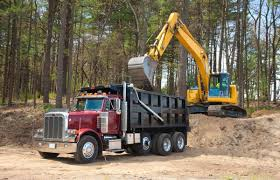
Starting or expanding a trucking business can be expensive, and purchasing a new dump truck outright may not always be feasible. A dump truck lease to own program offers a flexible solution, allowing operators to lease a truck with the option to purchase it over time. This approach balances cash flow needs with long-term ownership goals, making it an attractive choice for small fleet owners and independent drivers.
In this guide, we’ll explain how lease-to-own programs work, their benefits, costs, and considerations so you can make informed decisions for your business.
What Is a Dump Truck Lease To Own?
A lease-to-own agreement is a financing option where a truck is leased for a specified period with scheduled payments. At the end of the lease term, the lessee has the option to purchase the truck outright.
Read too: Top Trucking Companies That Still Have Manual Transmissions
Key Features:
- Fixed monthly payments during the lease term.
- Option to buy at the end of the lease for a predetermined price.
- Often includes maintenance packages and warranties.
- Flexible terms tailored to the operator’s cash flow.
This option combines the short-term affordability of leasing with the long-term benefits of ownership.
Benefits of Lease-To-Own Programs
- Lower Initial Costs: No need for a large down payment.
- Preserves Cash Flow: Ideal for small businesses that need to manage operating capital.
- Builds Equity: Part of the lease payments may contribute to ownership.
- Tax Advantages: Lease payments may be deductible as a business expense (consult a tax advisor).
- Upgrade Opportunities: At lease end, you can choose to purchase, trade in, or upgrade to a newer model.
How Lease-To-Own Differs From Traditional Financing
| Feature | Lease-To-Own | Traditional Loan |
|---|---|---|
| Down Payment | Usually lower | Often higher |
| Monthly Payment | Fixed, predictable | Fixed, sometimes higher |
| Ownership | Option at end | Immediate (loan holder pays off truck) |
| Flexibility | Can return, purchase, or upgrade | Must retain vehicle until loan is paid |
| Credit Requirement | Often more flexible | Requires stronger credit |
Cost Considerations
The total cost of a dump truck lease to own depends on several factors:
- Truck Make and Model: Newer or specialized trucks may cost more.
- Lease Term: Typically ranges from 24–60 months.
- Interest Rate or Lease Factor: Determines how much you pay over time.
- Residual or Purchase Price: The agreed-upon price at lease end.
Example Cost Breakdown (for a $120,000 Dump Truck)
| Component | Amount |
|---|---|
| Monthly Lease Payment | $2,500 |
| Lease Term | 48 months |
| Total Lease Payments | $120,000 |
| Purchase Option (Residual) | $30,000 |
| Total Cost If Purchased | $150,000 |
This example shows how lease payments and residual costs combine to determine the final purchase price.
Factors to Consider Before Choosing Lease-To-Own
- Mileage and Usage Limits: Exceeding limits may result in additional fees.
- Maintenance Responsibilities: Some programs include maintenance, others do not.
- Early Termination Clauses: Understand penalties if you need to end the lease early.
- Credit Score and Financial Stability: While flexible, stronger credit may result in better terms.
Step-By-Step Process to Lease-To-Own a Dump Truck
- Assess Your Business Needs: Determine truck specifications and budget.
- Research Providers: Compare lease-to-own options from banks, dealerships, and fleet financing companies.
- Negotiate Terms: Discuss lease duration, payments, maintenance, and purchase price.
- Submit Application: Provide financial statements, credit history, and business information.
- Review Contract Carefully: Ensure all terms, fees, and obligations are clear.
- Sign Agreement and Take Delivery: Begin lease payments and use the truck.
- Monitor Payments and Maintenance: Keep track of schedule to protect residual equity.
- Exercise Purchase Option at Lease End: Pay residual or refinance if needed.
Advantages and Disadvantages
| Advantages | Disadvantages |
|---|---|
| Lower upfront costs | May pay more than outright purchase long-term |
| Flexibility in ownership | Must adhere to lease terms |
| Preserves working capital | Potential mileage or usage fees |
| Builds equity toward ownership | Early termination penalties |
| Access to newer models | Maintenance responsibilities may vary |
FAQ Section
Q1: Can I lease multiple dump trucks under a lease-to-own program?
Yes, many providers offer multi-truck lease-to-own options, ideal for fleet expansion.
Q2: What happens if I can’t afford the purchase at the end?
You can often return the truck, refinance the residual, or negotiate alternative terms with the provider.
Q3: Is a lease-to-own truck considered an asset?
Partially. Until you exercise the purchase option, the truck is technically leased, but payments toward ownership may build equity.
Q4: How does maintenance work under a lease-to-own contract?
Some contracts include maintenance, while others require you to maintain the truck. Always clarify in the lease agreement.
Q5: Can small businesses benefit from lease-to-own options?
Absolutely. Lease-to-own programs are particularly helpful for startups or operators looking to preserve cash flow while building equity.
Q6: Are there tax benefits for lease-to-own trucks?
Lease payments may be deductible as business expenses, but consult a tax professional for specific guidance.
Conclusion
A dump truck lease to own program provides flexible financing for operators who want to manage cash flow while eventually owning their vehicles. By understanding costs, contract terms, and maintenance responsibilities, truck owners and fleet managers can make informed decisions that balance affordability and long-term investment.
Share this guide with fellow operators and fleet managers to help them explore financing options and build a sustainable trucking business.
Leave a Reply