
Operating a food truck is exciting, but it also comes with serious safety responsibilities. One of the most critical requirements is a Fire Suppression System Food Truck, designed to control dangerous kitchen fires before they spread.
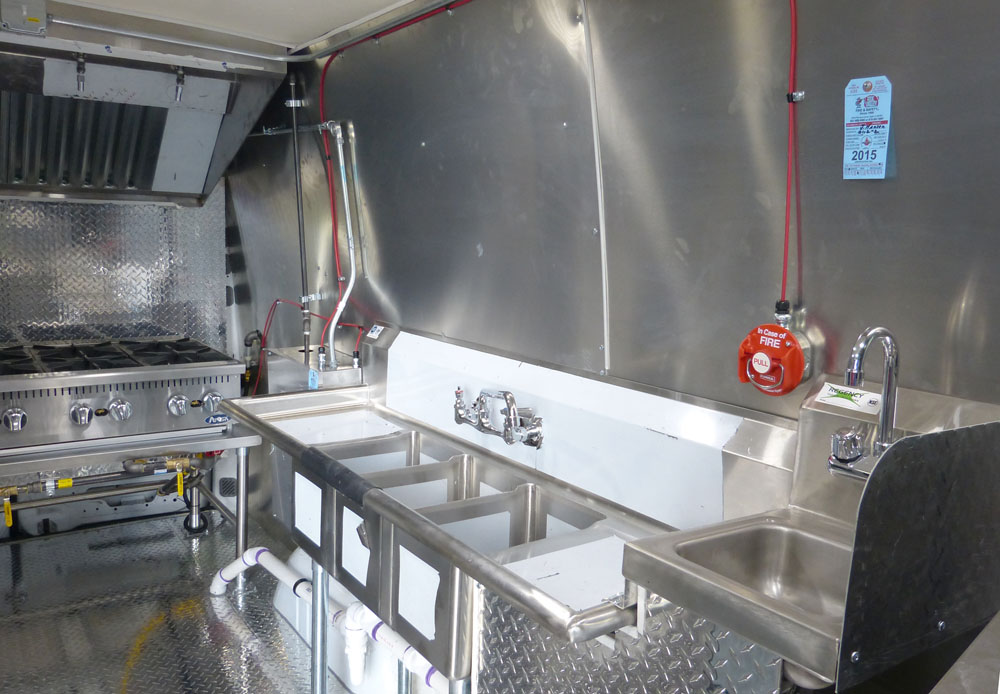
If you cook with fryers, grills, or open flames, this guide will help you understand why fire suppression systems are required, how they work, and how to choose the right one for your food truck.
Read too: Top Trucking Companies That Still Have Manual Transmissions
What Is a Fire Suppression System for a Food Truck?
A fire suppression system in a food truck is an automatic fire protection system installed above cooking equipment. It detects fires and releases a chemical agent that suppresses flames, cools surfaces, and prevents re-ignition.
These systems are specifically designed for commercial kitchens, where grease fires are the most common and dangerous.
Why Fire Suppression Systems Are Mandatory for Food Trucks
Fire Risk Statistics
According to the U.S. Fire Administration, over 60% of restaurant fires originate in cooking areas, with grease buildup as the leading cause. Food trucks face even higher risk due to compact spaces and propane use.
Legal and Insurance Requirements
Most U.S. cities and counties require:
- An NFPA 96–compliant fire suppression system
- Annual inspections
- Proof of certification before issuing permits
Without a fire suppression system, you may be denied:
- Health department approval
- Fire marshal clearance
- Insurance coverage
How Does a Fire Suppression System Work in a Food Truck?
Step-by-Step Operation
- Fire Starts
A grease fire ignites above or within cooking equipment. - Heat Detection
Fusible links or heat sensors detect temperatures above safe limits. - Automatic Discharge
The system releases a wet chemical agent directly onto the fire. - Fuel Shutoff
Gas or electric supply is automatically cut off. - Fire Containment
Flames are smothered and cooled within seconds.
This rapid response prevents catastrophic damage and injuries.
Types of Fire Suppression Systems for Food Trucks
1. Wet Chemical Fire Suppression Systems
The most common and recommended option.
Best for:
- Fryers
- Griddles
- Charbroilers
- Woks
How it works:
Uses potassium-based chemicals that react with grease to form a soapy layer, stopping oxygen supply.
2. Dry Chemical Systems (Less Common)
Typically used in industrial settings, not ideal for food trucks.
Cons:
- Harder to clean
- Can contaminate food equipment
Wet Chemical vs Dry Chemical Systems
| Feature | Wet Chemical | Dry Chemical |
|---|---|---|
| Grease Fire Control | Excellent | Moderate |
| Cleanup | Easier | Difficult |
| Food Safety | High | Low |
| Code Compliance | NFPA 96 | Limited |
| Food Truck Use | Recommended | Not ideal |
What Equipment Requires Fire Suppression Coverage?
Must Be Protected
- Deep fryers
- Flat-top grills
- Charbroilers
- Range tops
- Woks
Not Always Required
- Steamers
- Microwaves
- Electric ovens (no grease)
Coverage depends on your menu and cooking method.
NFPA 96 and Food Truck Compliance Explained
The NFPA 96 standard governs ventilation and fire protection for commercial cooking operations. Food trucks fall under this regulation in most U.S. jurisdictions.
You can learn more about the National Fire Protection Association from Wikipedia.org (external authoritative source).
Fire Suppression System Cost for Food Trucks
Average Cost Breakdown
- Small food truck: $2,000 – $3,500
- Large or complex setup: $4,000 – $6,000
What Affects the Price
- Number of appliances
- Truck size
- Nozzle quantity
- Installation complexity
- Local code requirements
Installation Process: What to Expect
Step-by-Step Installation
- Site Evaluation
Technician measures hood and equipment layout. - System Design
Nozzle placement is calculated for coverage. - Mounting & Plumbing
Pipes, tanks, and detectors installed. - Fuel Shutoff Integration
Gas or electric cutoff connected. - Testing & Certification
Fire marshal inspection and approval.
Typical installation time: 1–2 days.
Fire Suppression System Maintenance Requirements
Inspection Frequency
- Every 6 months (most jurisdictions)
- After any system discharge
- When equipment layout changes
Maintenance Checklist
- Inspect nozzles
- Replace fusible links
- Check pressure gauges
- Verify shutoff valves
- Clean grease buildup
Failure to maintain your system can void insurance coverage.
Pros and Cons of Fire Suppression Systems in Food Trucks
Advantages
- Saves lives
- Prevents total truck loss
- Required for permits
- Lowers insurance risk
- Automatic operation
Disadvantages
- Initial installation cost
- Regular inspection fees
- Requires professional servicing
Despite costs, the benefits far outweigh the risks.
How Fire Suppression Systems Affect Insurance Premiums
Insurance companies view suppression systems as risk-reduction tools. Many providers offer:
- Lower premiums
- Easier policy approval
- Higher coverage limits
Some insurers refuse coverage without a certified system.
Choosing the Right Fire Suppression System for Your Food Truck
Key Questions to Ask Installers
- Is the system NFPA 96 compliant?
- Does it include automatic fuel shutoff?
- Is inspection included?
- Are replacement parts available locally?
- Is certification provided?
Always choose licensed and experienced installers.
Real-World Case Study
A taco truck in California experienced a fryer fire during lunch service. The wet chemical system activated automatically.
Results
- Fire contained in under 10 seconds
- No injuries
- Minimal cleanup
- Truck reopened in 48 hours
Without a suppression system, the truck would have been a total loss.
FAQ: Fire Suppression System Food Truck
Q1: Is a fire suppression system required for all food trucks?
Most food trucks using grease-producing equipment are legally required to have one.
Q2: How often does a fire suppression system need inspection?
Typically every six months, depending on local fire code.
Q3: Can I install a fire suppression system myself?
No. Installation must be done by licensed professionals for certification.
Q4: What happens if my fire suppression system discharges?
You must clean the system, replace chemicals, and schedule re-certification.
Q5: Does a fire extinguisher replace a fire suppression system?
No. Fire extinguishers are supplemental, not replacements.
Conclusion
A Fire Suppression System Food Truck setup is not just a regulatory requirement—it’s a critical investment in safety, compliance, and business survival. From protecting lives to preventing devastating losses, these systems are essential for any serious food truck operator.
If this guide helped you understand food truck fire suppression systems, share it on social media to help fellow vendors operate safer and smarter. 🚚🔥
Leave a Reply