
If you’re researching Forward Air Owner Operator Truck Requirements, you’re likely considering partnering with a reputable freight carrier. Before investing your time and equipment, it’s critical to understand the qualifications, truck standards, and contract expectations.
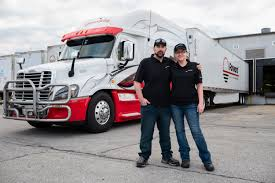
This guide breaks down everything clearly — from vehicle specifications to insurance requirements and application steps — so you can determine if Forward Air is the right fit for your trucking business.
Read too: Franklin Truck Parts Near Me: Your Complete Guide to Local Truck Parts & Repair Solutions
Forward Air Owner Operator Truck Requirements Overview
Understanding Forward Air Owner Operator Truck Requirements starts with knowing how the company operates.

4
Forward Air primarily focuses on expedited LTL (less-than-truckload) freight and airport-to-airport logistics. Owner-operators typically haul time-sensitive freight between terminals.
Forward Air Corporation is a publicly traded logistics company in the U.S.:
https://en.wikipedia.org/wiki/Forward_Air
Now let’s break down the specific requirements.
What Are the Minimum Truck Requirements?
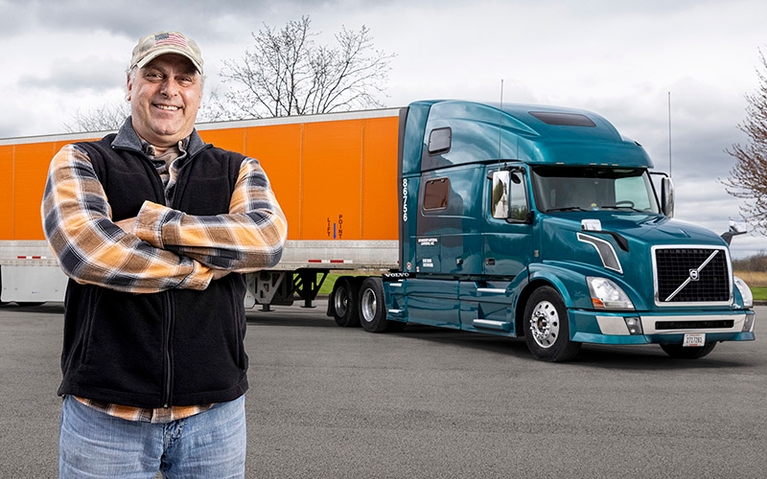
Truck specifications are one of the most important Forward Air Owner Operator Truck Requirements.
While exact specs may vary by division and region, typical expectations include:
1. Tractor Requirements
- Late-model tractor (often 10 years old or newer preferred)
- Day cab or sleeper (depending on route type)
- DOT compliant
- Electronic logging device (ELD) compatible
- In good mechanical condition
- Clean exterior and professional appearance
2. Trailer Requirements
Most owner-operators haul:
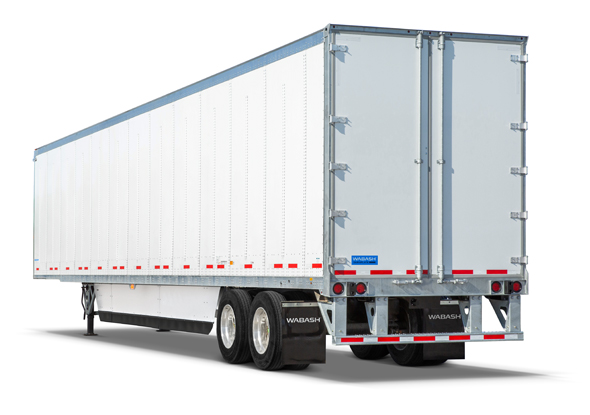
- 53’ dry van trailers
- Occasionally company-provided trailers (depending on contract)
Trailer must be:
- DOT compliant
- Equipped with proper load securement
- Free of structural damage
What CDL and Driver Qualifications Are Required?

4
CDL Requirements:
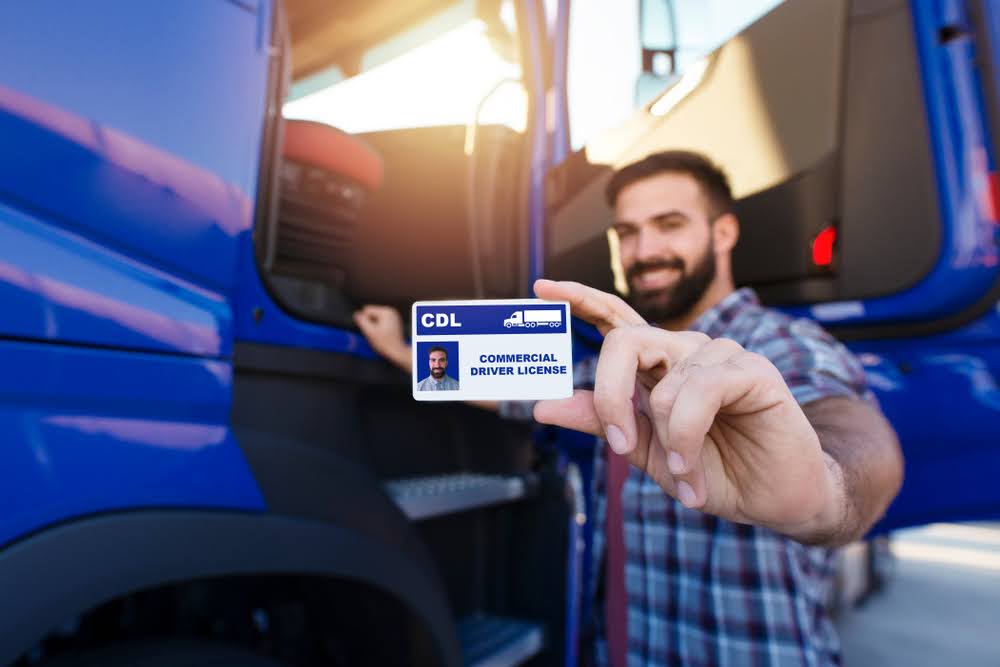
- Valid Class A CDL
- Minimum driving experience (often 12–24 months)
- Clean driving record
- No major preventable accidents
Safety & Compliance:
- Pass DOT physical
- Drug screening
- Background check
- Meet FMCSA regulations
Forward Air emphasizes safety performance. Drivers with stable work history and low CSA (Compliance, Safety, Accountability) scores are more competitive.
What Insurance Coverage Is Required?
Insurance is a major financial component.
Typical requirements include:
- $1,000,000 Auto Liability
- $100,000 Cargo Insurance
- Workers’ compensation (if applicable)
- Physical damage coverage
Insurance costs vary by state and driving history.
What Equipment Standards Must Be Met?


4
Forward Air often requires:
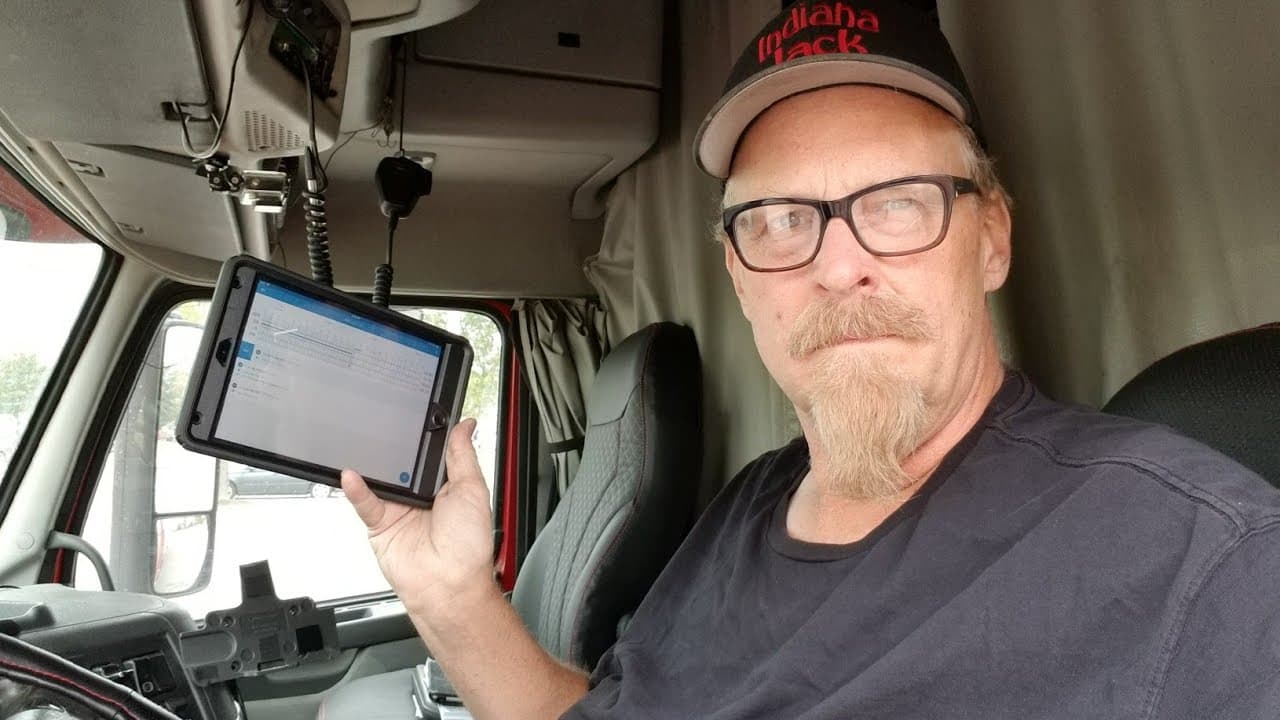
- ELD compliance
- GPS communication device
- Reflective DOT markings
- Annual DOT inspection documentation
Regular maintenance is critical.
Pre-Contract Inspection Checklist:
- Brake system condition
- Tire tread depth (minimum 4/32” steer tires)
- Working lights
- Secure mud flaps
- Properly mounted license plates
A well-maintained truck increases approval chances.
How Much Can Owner Operators Earn?
Income depends on:
- Region
- Route type
- Miles driven
- Fuel costs
Many owner-operators report gross revenues between $3,000–$6,000 per week, depending on freight volume and efficiency.
However, net income depends on expenses:
| Expense Category | Estimated Weekly Cost |
|---|---|
| Fuel | $800–$1,500 |
| Insurance | $250–$500 |
| Maintenance | $200–$400 |
| Truck payment | $400–$700 |
Understanding operating cost per mile is critical.
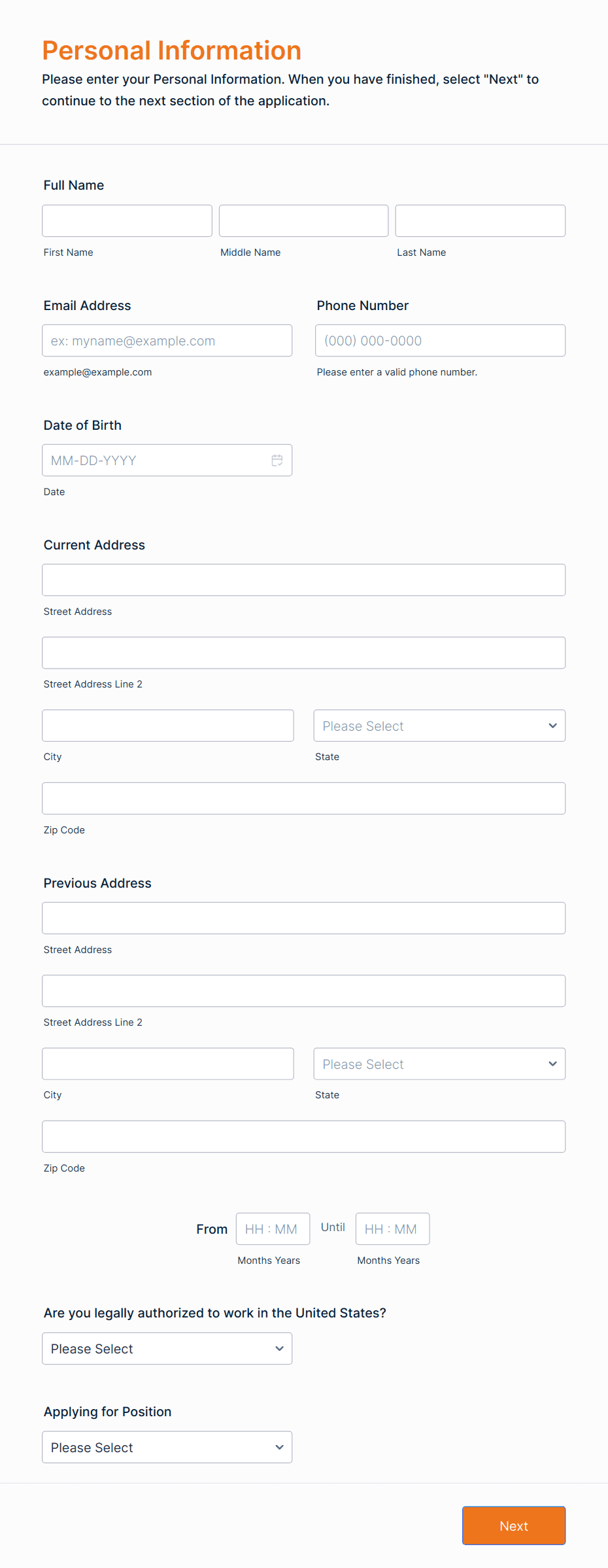
Step-by-Step: How To Apply as a Forward Air Owner Operator
If you meet the Forward Air Owner Operator Truck Requirements, here’s the general process:
Step 1: Prepare Documents
- CDL copy
- Medical certificate
- Insurance certificates
- Truck registration
- Maintenance records
Step 2: Submit Online Application
Provide work history and driving record.
Step 3: Background & Safety Review
Forward Air evaluates:
- CSA score
- Accident history
- Employment consistency
Step 4: Equipment Inspection
Truck must pass compliance review.
Step 5: Orientation & Onboarding
Safety orientation and dispatch training.
The process typically takes 1–3 weeks.
Pros and Cons of Partnering With Forward Air
| Pros | Cons |
|---|---|
| Established national carrier | Strict compliance standards |
| Consistent freight lanes | Insurance costs high |
| Terminal network | Earnings vary by region |
| Professional reputation | Must meet truck age standards |
Careful cost analysis is essential before committing.
What Makes Forward Air Different From Other Carriers?
Forward Air specializes in:
- Expedited freight
- Airport-to-airport logistics
- Terminal-based freight transfers
Unlike long-haul OTR carriers, many Forward Air routes involve terminal runs, offering more predictable lanes.
What Are Common Reasons Applications Get Rejected?
Applications may be denied due to:
- Recent DUI
- Multiple preventable accidents
- High CSA score
- Poor maintenance records
- Insufficient insurance coverage
Improving safety records significantly increases acceptance chances.
FAQ – Forward Air Owner Operator Truck Requirements
How old can my truck be to qualify?
Many divisions prefer trucks under 10 years old, though requirements vary.
Do I need my own trailer?
Some divisions require owner-supplied trailers; others provide company trailers.
How much experience do I need?
Typically 1–2 years of verifiable Class A CDL experience.
Does Forward Air offer fuel discounts?
Fuel programs may be available depending on contract structure.
Are routes local or long-haul?
Primarily terminal-to-terminal routes, often regional.
Is Forward Air good for new owner operators?
It can be competitive. Strong safety records improve approval odds.
Final Thoughts
Understanding Forward Air Owner Operator Truck Requirements is essential before applying. Truck condition, insurance coverage, CDL qualifications, and safety record all matter.
Take time to evaluate your equipment, operating costs, and financial goals. Forward Air can provide consistent freight opportunities — but success depends on preparation and compliance.
If this guide helped you understand what’s required, consider sharing it with fellow drivers exploring owner-operator opportunities. In trucking, informed decisions lead to stronger partnerships and long-term success.
Leave a Reply