
A Heavy Duty Tow Truck Winch is the heart of any recovery setup. When vehicles are stuck in ditches, wrecked, or immobile, the winch provides the controlled pulling force that makes safe recovery possible.
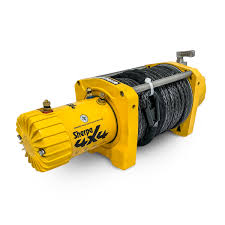
This guide explains how to choose the correct winch capacity, mount it properly, select the right cable, and operate it safely in real-world conditions.
What Is a Heavy Duty Tow Truck Winch?


4
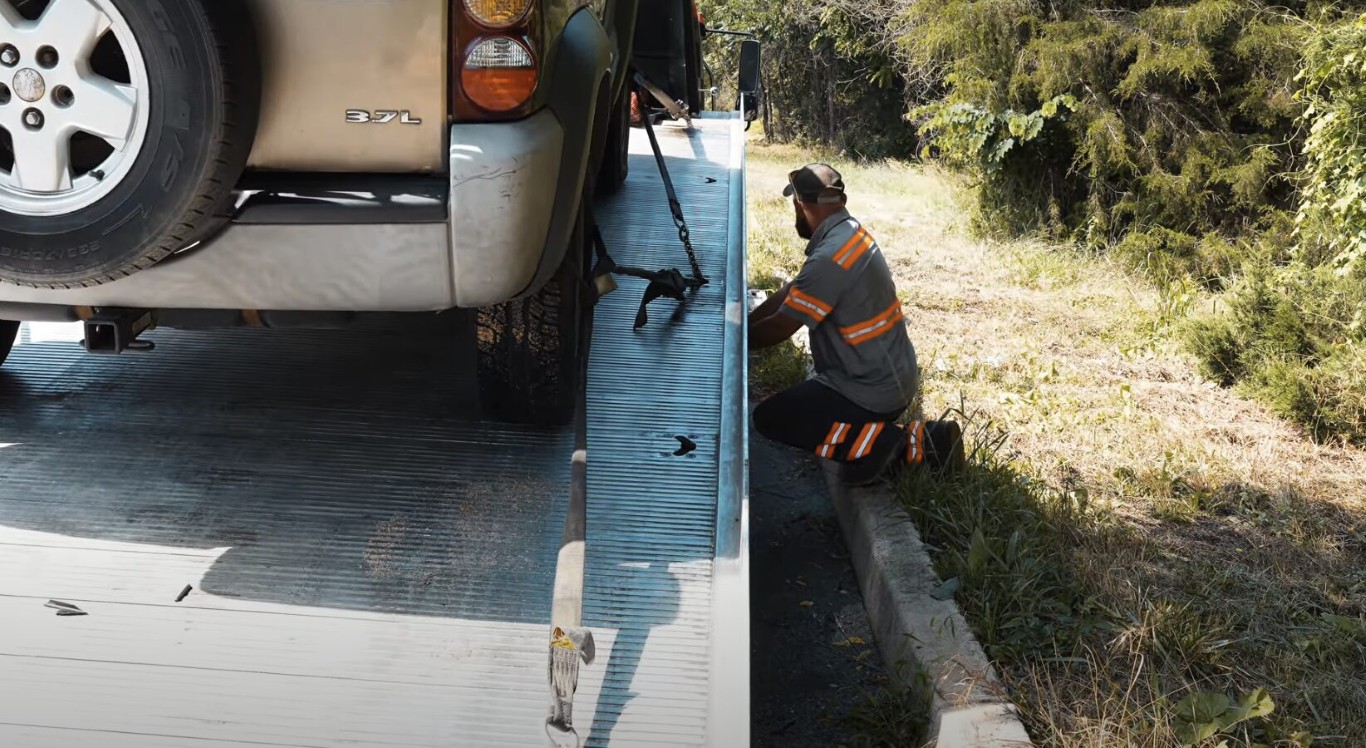
A tow truck winch is a powered drum that winds cable or rope to pull disabled vehicles onto a flatbed or out of hazards. Most professional wreckers use hydraulic winches for continuous duty, while some light-duty setups use electric models.
For background on winch mechanics, see Winch:
https://en.wikipedia.org/wiki/Winch
Hydraulic vs Electric Winches — Which Is Better for Tow Trucks?
| Feature | Hydraulic Winch | Electric Winch |
|---|---|---|
| Duty cycle | Continuous | Limited (heat buildup) |
| Power source | PTO / hydraulics | Battery |
| Pull consistency | Excellent | Good |
| Maintenance | Moderate | Low |
| Best for | Professional wreckers | Light-duty / backup |
Professional tow trucks overwhelmingly use hydraulic winches because they don’t overheat during long pulls.
How Much Pulling Capacity Do You Need?
A common mistake is under-sizing.
Rule of Thumb
Winch rating should be 1.5× the vehicle’s gross weight
| Vehicle Type | Recommended Winch Rating |
|---|---|
| Sedan (4,000 lbs) | 8,000–10,000 lbs |
| SUV / Pickup (6,000 lbs) | 12,000–15,000 lbs |
| Box truck (10,000 lbs) | 20,000+ lbs |
Remember: mud, incline, and damage increase required force.
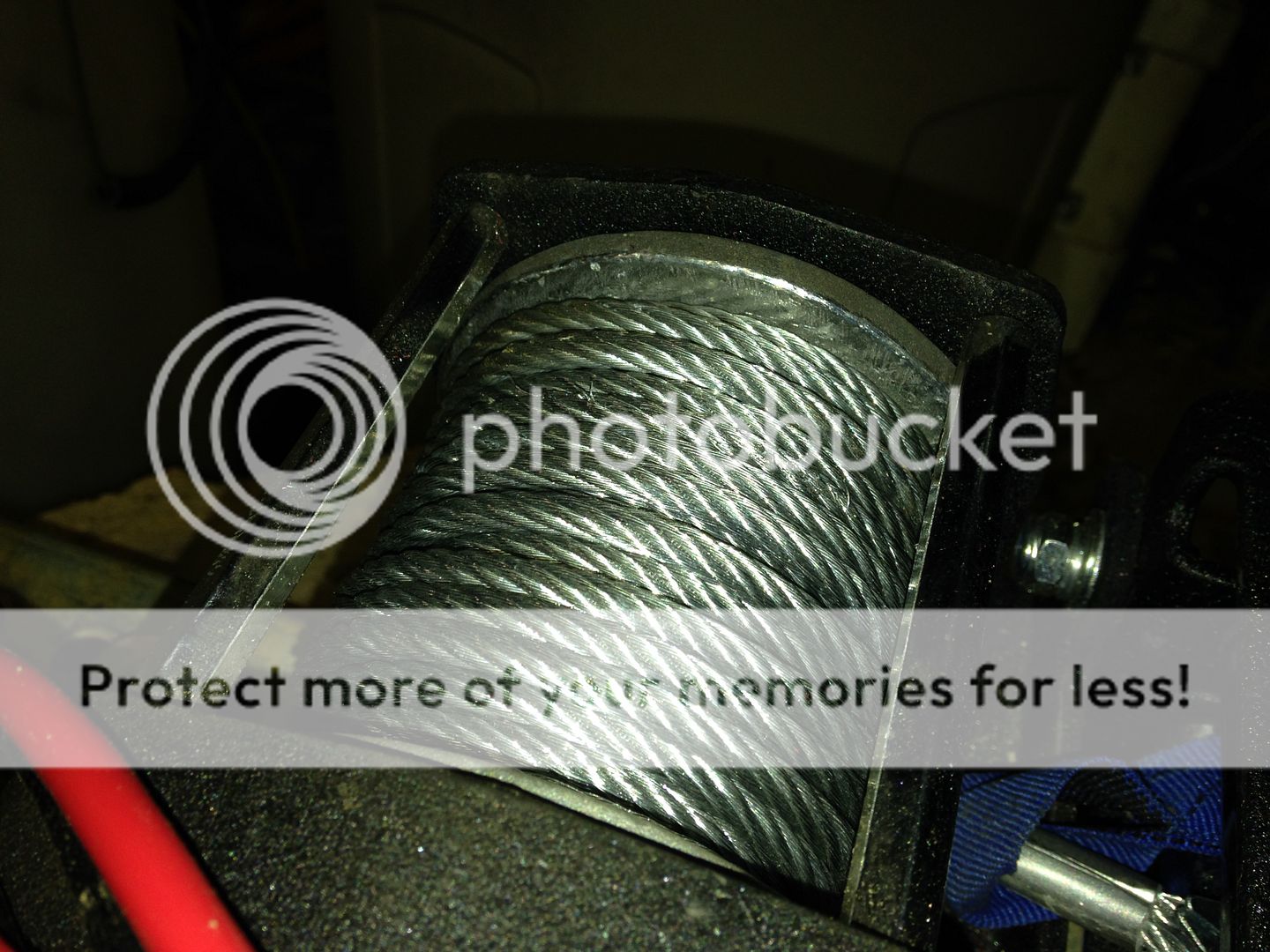
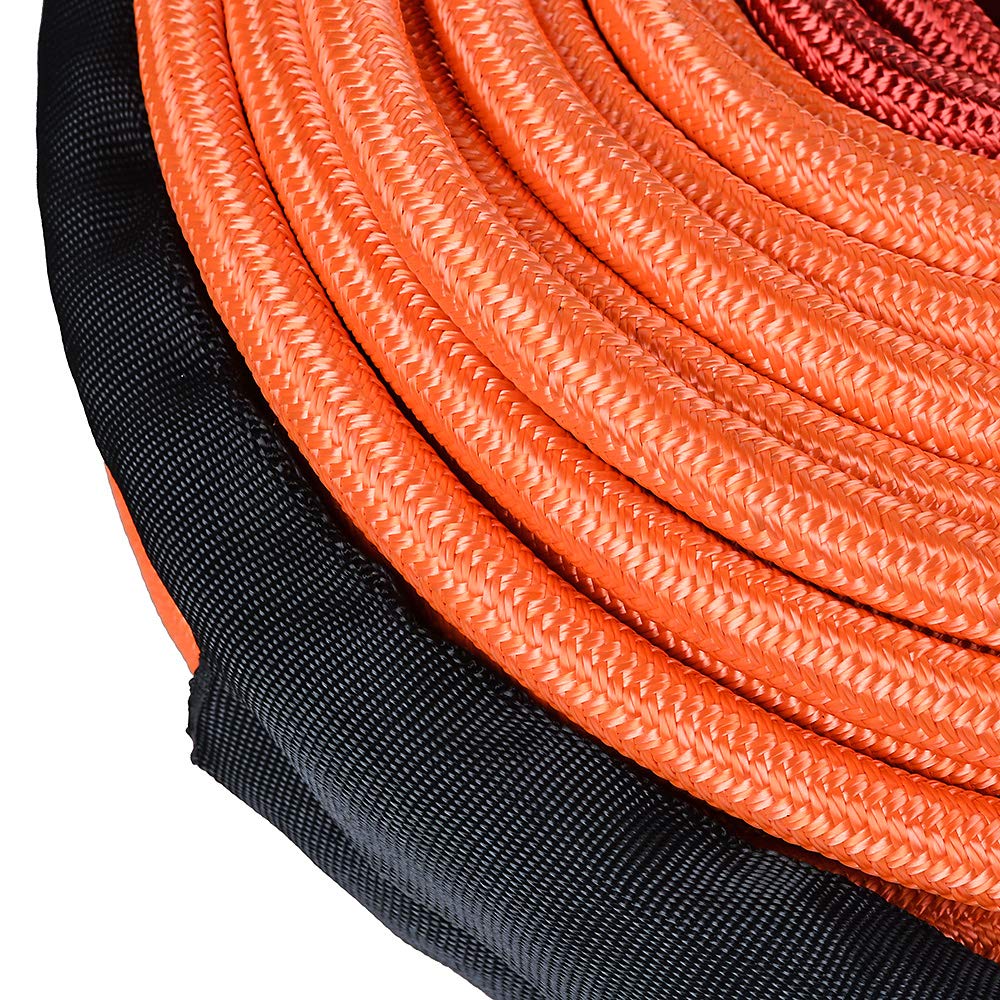
Steel Cable vs Synthetic Rope
4
| Feature | Steel Cable | Synthetic Rope |
|---|---|---|
| Strength | Very high | Very high |
| Weight | Heavy | Lightweight |
| Safety if snapped | Whiplash risk | Falls to ground |
| Maintenance | Rust risk | UV wear |
| Preferred by | Many tow ops | Modern recovery teams |
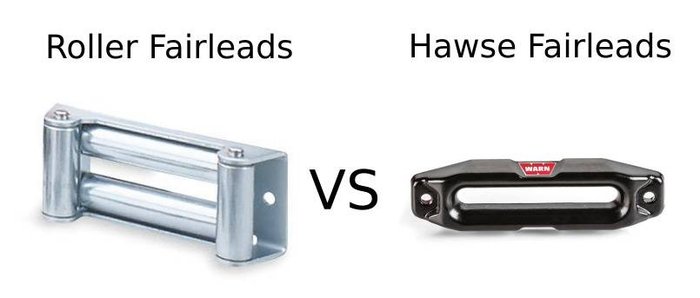
Synthetic rope is safer but requires a hawse fairlead and protection from abrasion.
Correct Winch Mounting on a Tow Truck
Mounting determines safety and performance.
Mounting Checklist
- Reinforced steel winch plate
- Grade 8 bolts (½ inch minimum)
- Direct frame attachment, not bed sheet metal
- Proper fairlead alignment with drum
- Electrical or hydraulic lines secured away from drum
Misalignment causes uneven spooling and cable failure.
Read too: Franklin Truck Parts Near Me: Your Complete Guide to Local Truck Parts & Repair Solutions
Step-by-Step: Safe Winching Procedure
- Position truck in straight line with load
- Engage parking brake and wheel chocks
- Pull out cable and attach to recovery point
- Place line dampener over cable
- Begin slow, steady winch-in
- Guide cable to spool evenly
- Stop periodically to check alignment
Never jerk the winch. Smooth pulls preserve equipment.
Essential Safety Accessories
- Line dampener blanket
- Snatch block (doubles pulling power)
- Tree saver strap
- D-shackles (rated)
- Heavy gloves
- Wheel chocks
These tools dramatically increase control and safety.
Using a Snatch Block to Double Power
A snatch block redirects the cable back to the truck, effectively doubling pulling force while halving line speed.
When to use:
- Steep inclines
- Heavier vehicles
- Deep mud recoveries
Common Mistakes That Damage Winches
| Mistake | Result |
|---|---|
| Side-angle pulls | Drum and cable wear |
| Fast jerking | Gear damage |
| Poor spooling | Cable crushing |
| No dampener | Injury risk |
| Undersized winch | Motor burnout |
Maintenance Schedule for Long Winch Life
Every Week
- Inspect cable for frays
- Check mounting bolts
Every Month
- Grease fittings (hydraulic)
- Inspect fairlead rollers
Every 6 Months
- Unspool and respool under tension
- Check hydraulic lines or battery terminals
Real-World Scenario: Ditch Recovery
A pickup slides into a ditch at a 25° angle. Direct pull strains the winch.
Solution:
- Use snatch block
- Redirect line for straight pull
- Reduce strain and increase control
This setup prevents equipment damage.
FAQ — Heavy Duty Tow Truck Winch
Q1: Is synthetic rope strong enough for tow trucks?
Yes, if rated properly and protected from abrasion.
Q2: How long should winch cable be?
Typically 75–125 feet for recovery flexibility.
Q3: Why does my cable bunch on one side?
Fairlead misalignment or angled pulls.
Q4: Can electric winches replace hydraulic on wreckers?
Not for continuous professional use.
Q5: How often should cable be replaced?
At first signs of fraying or crushing.
Conclusion
Choosing and operating a Heavy Duty Tow Truck Winch correctly makes recoveries safer, faster, and more reliable. Proper sizing, mounting, cable choice, and technique prevent equipment damage and protect operators in high-risk situations.
If this guide helped you improve your recovery setup, share it on social media to help other operators work safer and smarter.
Leave a Reply