
If your team needs immediate access to tracks for inspection, maintenance, or emergency response, renting Hi Rail Trucks For Rent can be the fastest and most cost-effective option. Finding a reliable rental partner, choosing the correct equipment, and following safety and regulatory rules are the top concerns for many operations. This guide walks you through everything — from types and use cases to the step-by-step rental process — so you can make the right choice and keep work on track.
What Are Hi Rail Trucks For Rent and Why Use Them?
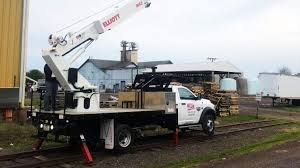
Hi rail trucks for rent are standard road vehicles or light trucks fitted with retractable rail gear that lets them operate safely on railroad tracks. They provide flexibility: you can drive them on highways to a job site and then quickly convert them to run on rails for inspections, repairs, or support work.
Use cases include:
- Track inspection and geometry checks
- Emergency derailment response
- Signal and crossing maintenance
- Right-of-way vegetation control
- Construction support near or on tracks
Read too: Top Trucking Companies That Still Have Manual Transmissions
Renting a hi-rail truck avoids the capital cost of buying specialized vehicles, giving contractors, short-term projects, and municipalities access to rail mobility only when needed.
What Types of Hi Rail Trucks Are Available to Rent?
When searching for Hi Rail Trucks For Rent, you’ll typically encounter several configurations. Each fits a different mission:
- Light Service Trucks: Small pickups (1/2–3/4 ton) equipped with basic rail gear. Ideal for inspections and small repairs.
- Medium Utility Trucks: 1-ton or larger trucks with crane mounts or service bodies. Good for signal work and heavier tools.
- Flatbed Hi-Rail Trucks: Open bed for materials and equipment. Useful for track components and small machinery.
- Bucket/Crane Hi-Rail Trucks: Elevated work platforms for overhead or signal maintenance.
- Hi-Rail Trailers and Multi-Axle Units: For hauling heavier gear or moving multiple crew members and equipment.
When choosing, match the truck’s payload, lifting capacity, and clearance profile to the job. Always confirm that the unit’s rail gear is certified and well maintained.
How Safe Are Hi Rail Trucks For Rent?
Safety is the top priority. Rented hi-rail trucks must meet rail operator rules and the Federal Railroad Administration (FRA) guidance where applicable. Key safety elements include:
- Certified rail gear with routine inspection records
- Working brakes and lighting systems for rail operation
- Wheel gauges and flangeway compatibility for the track class being used
- Operator training specific to hi-rail mode transitions and rail operations
- Communication protocols with rail dispatch/traffic control before entering track
A reputable rental provider will supply documentation proving the truck’s rail certification, recent inspections, and maintenance history. Always require that paperwork before placing the unit on track.
How Much Does It Cost to Rent a Hi Rail Truck?
Rental pricing depends on several factors: truck class, rail gear complexity, rental duration, and required add-ons (e.g., cranes, buckets, materials handling). Typical cost drivers are:
- Daily, weekly, or monthly rates — short-term day rates are higher per day than weekly/monthly agreements.
- Operator or training fees — some providers include a certified operator; others rent only the vehicle.
- Delivery/pickup to and from the job site — rail access logistics can add cost.
- Insurance and liability waivers — required coverage varies by owner and rail authority.
Ask for an itemized quote so you can compare daily rate + delivery + operator + insurance between providers. Always check minimum rental periods and fuel policies.
How to Rent a Hi Rail Truck: Step-by-Step
Renting hi-rail equipment can be straightforward when you follow a checklist. Here’s a practical step-by-step process:
1. Define the Job Requirements
- Number of personnel, tools, and materials.
- Track class, line speed, and possession needs.
- Expected duration and working hours.
2. Select the Right Unit
- Match payload, crane/bucket needs, and clearance.
- Confirm rail gear compatibility with the track gauge and tie spacing.
3. Check Certification & Maintenance Records
- Request recent inspection reports for rail gear and brakes.
- Verify preventive maintenance logs.
4. Confirm Operator & Training Needs
- Decide whether you’ll supply a certified operator or request one from the rental company.
- Schedule operator training if your crew will drive the truck.
5. Coordinate with the Railroad
- Obtain track authority/permission (track warrant, flagman, or exclusive track possession).
- Share operator and vehicle credentials with the railroad.
6. Review Insurance & Liability
- Confirm minimum insurance limits, additional insured endorsements, and damage waivers.
- Ensure workers’ compensation applies to all crew.
7. Plan Transport & Staging
- Book delivery and pickup windows.
- Identify safe tie-in points and access roads.
8. Pre-Job Inspection & Briefing
- Walk the unit with the rental tech, log any exceptions, and get signatures.
- Conduct a safety briefing covering rail protocols, PPE, and emergency response.
9. Execute Work & Maintain Communication
- Keep frequent contact with the railroad dispatcher.
- Log movement times and on/off-track transitions.
10. Post-Job Return & Reporting
- Inspect the unit together and document any damage.
- Collect maintenance logs and close out the rental.
Following these steps reduces risk and avoids surprises on rental invoices and safety audits.
What Regulations and Permissions Are Needed?
Operating hi-rail trucks on active track requires coordination with the railroad owner and adherence to federal/state rules. Typical permits and approvals include:
- Track authority/possession from the railroad dispatcher
- Employee qualification for hi-rail operation per railroad policy
- Insurance certificates listing the railroad as additional insured (if required)
- Right-of-way access agreements for public and private crossings
Failure to secure these permissions can lead to work stoppage, fines, and liability exposure. The rental company will often assist with required documentation, but final responsibility for track permission rests with the party performing the work.
Benefits vs Drawbacks of Renting Hi Rail Trucks
| Benefits | Drawbacks |
|---|---|
| Lower capital outlay vs buying a unit | Rental availability can be limited during peak seasons |
| Access to a tailored fleet for the job | Higher per-day cost for very long projects |
| Maintenance and certification handled by owner | Dependency on rental company for support |
| Flexible vehicle configurations | Need to coordinate insurance and railroad permits |
Renting is ideal for short-term work, one-off jobs, or when you need a specific capability (e.g., bucket with certain reach).
Tips for Choosing a Reliable Rental Provider
Look for these indicators of a trustworthy hi-rail truck rental company:
- Clear maintenance and inspection records posted or provided on request
- Experienced staff familiar with railroad communication and safety requirements
- Training programs for your operators if needed
- Transparent pricing and written rental agreements
- References or case studies from other contractors or railroads
A provider that proactively manages safety paperwork and rail coordination will save time and reduce on-site risk.
Real-World Example: Emergency Bridge Repair (Illustrative)
A municipal contractor needed rapid access to a track-adjacent bridge to replace bearings following inspection findings. Rather than buy specialized equipment, the contractor rented two mid-size hi-rail trucks with bucket attachments. The rental provider coordinated with the railroad for a scheduled short possession, delivered the units on time, and provided an operator for the first day to transfer local knowledge. The crew completed the emergency repairs in two shifts, avoiding extended disruption and a costly bridge closure.
This illustrates the flexibility and speed advantage of renting hi-rail units when time is critical.
Frequently Asked Questions (FAQ)
Q1: How long does it take to convert a truck to hi-rail mode?
A: Conversion time depends on the unit and the crew. Typical deployment (lowering rail gear and checking wheel alignment) can take 15–45 minutes for a prepared crew. Always allow for a pre-run inspection.
Q2: Can any pickup truck be fitted with rail gear?
A: Not every vehicle is suitable. The truck’s axle rating, braking system, and frame must support rail gear. Rental companies provide units already certified for rail use.
Q3: Do I need a special license to operate a hi-rail truck?
A: Operators need specific training for hi-rail operations and must meet the railroad’s qualification requirements. A commercial driver’s license (CDL) may be required depending on vehicle weight and local rules.
Q4: What insurance is required for hi-rail rentals?
A: Common requirements include commercial auto liability, general liability, and sometimes higher limits or railroad additional insured endorsements. Confirm with the rental company and the railroad.
Q5: Is there seasonal demand that affects availability?
A: Yes. Maintenance seasons and weather windows can increase demand. Book early for planned projects.
Conclusion
Renting Hi Rail Trucks For Rent gives contractors and agencies powerful flexibility for track work without the long-term capital commitment. With the right unit, certified inspections, coordinated railroad permissions, and trained operators, you can complete inspections, emergency repairs, and maintenance work safely and efficiently.
If this guide helped you plan your next rail project, share it on social media or forward it to a colleague — you never know who’ll need a hi-rail truck at a moment’s notice.
Leave a Reply