
Starting a trucking business can feel overwhelming—especially when you don’t have $60,000–$90,000 in cash for a truck. A Hot Shot Truck Lease Program offers a practical path for drivers who want to enter the industry without large upfront capital. If you’re looking to become an owner-operator in the fast-growing hot shot niche, this guide will help you understand how leasing works, the real costs involved, and whether it’s the right move for you.
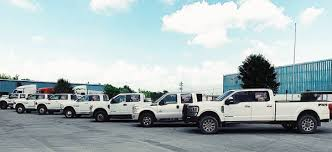
What Is a Hot Shot Truck Lease Program?
A Hot Shot Truck Lease Program is a financing arrangement that allows drivers to lease a heavy-duty pickup truck—often with an option to purchase it after a set term.
Read too: Top Trucking Companies That Still Have Manual Transmissions
Hot shot trucking typically involves hauling smaller, time-sensitive loads using:
- ¾-ton or 1-ton pickup trucks
- Gooseneck or flatbed trailers
- Non-CDL or CDL depending on weight
Hot shot trucking itself refers to expedited freight transportation, often for industries like oil & gas, construction, and agriculture. (See the overview of freight transport on Wikipedia: https://en.wikipedia.org/wiki/Freight_transport)
How It Differs From Traditional Truck Leasing
| Feature | Hot Shot Lease | Semi-Truck Lease |
|---|---|---|
| Vehicle Type | Pickup truck | Class 8 semi |
| Startup Cost | Lower | Higher |
| Freight Type | Expedited small loads | Long-haul freight |
| Average Weekly Revenue | $3,000–$7,000 | $5,000–$10,000 |
Hot shot programs are often more accessible for new entrepreneurs.
How Does a Hot Shot Truck Lease Program Work?
Understanding the structure prevents costly mistakes.
Step-by-Step Process
Step 1: Application & Credit Check
Most programs require:
- 600–650 minimum credit score
- Valid driver’s license (CDL may not be required)
- 6–24 months driving experience
Step 2: Down Payment
Typical range:
- $2,000–$10,000 upfront
Step 3: Weekly Lease Payments
Average payments:
- $600–$1,200 per week
Step 4: Revenue Split (If Leased Through Carrier)
Some programs operate under a carrier authority and take:
- 10–30% of load revenue
Step 5: Lease-to-Own Option
After 2–4 years, you may:
- Purchase truck for $1–$5,000 residual
- Refinance remaining balance
Always review contract terms carefully.
Is a Hot Shot Truck Lease Program Worth It?
This is the most common question.
Industry Revenue Data
According to industry reports, hot shot truckers can gross:
- $120,000–$250,000 annually
But expenses matter.
Typical Monthly Expenses
| Expense | Estimated Cost |
|---|---|
| Lease Payment | $3,000–$4,800 |
| Fuel | $3,000–$6,000 |
| Insurance | $800–$1,500 |
| Maintenance | $500–$1,000 |
| Trailer Payment | $800–$1,200 |
Total monthly expenses: $8,000–$14,000
If your monthly revenue is $18,000, your net before taxes could be $4,000–$7,000.
Pros vs Cons
Advantages:
- Low upfront cost
- Faster entry into business
- Build ownership over time
- Access to carrier freight network
Disadvantages:
- High weekly commitment
- Limited truck flexibility
- Risk of repossession if income drops
For disciplined drivers with strong work ethic, it can be profitable.
What Credit Score Do You Need?
Most Hot Shot Truck Lease Programs require:
- Minimum 600 FICO
- No recent bankruptcies
- Stable income history
Some programs approve lower credit scores with higher deposits.
If your credit is below 600:
- Expect 20–30% higher down payment
- Higher weekly payments
Improving credit 30–60 points before applying can reduce thousands in long-term cost.
How Much Can You Make With a Hot Shot Lease?
Revenue Breakdown Example
Let’s calculate a realistic scenario:
- Average load pay: $2.25 per mile
- Weekly miles: 2,500
- Weekly gross revenue: $5,625
Weekly Expense Example
- Lease payment: $900
- Fuel (10 MPG, diesel $4/gallon): $1,000
- Insurance (weekly portion): $300
- Miscellaneous: $200
Total expenses: $2,400
Estimated weekly net: $3,225 before taxes
Consistency is key. Drivers who manage fuel routes strategically increase profitability.
What Are the Requirements to Qualify?
Each program differs, but generally:
- 21–25 years old minimum
- Clean driving record
- No major accidents in 3 years
- Valid DOT medical card
- Proof of income or driving history
If operating under your own authority:
- You’ll need USDOT number
- MC number
- Commercial insurance
Should You Lease Through a Carrier or Independently?
This decision impacts income potential.
Lease Through Carrier
Benefits:
- Freight provided
- Less paperwork
- Easier startup
Drawbacks:
- Revenue split
- Less load flexibility
Independent Lease (Own Authority)
Benefits:
- 100% load revenue
- Higher long-term income potential
Drawbacks:
- Must find your own freight
- Higher administrative responsibility
Beginners often start under a carrier for stability.
What Trucks Are Used in a Hot Shot Truck Lease Program?
Most common trucks:
- Ram 3500
- Ford F-350 / F-450
- Chevy Silverado 3500
Typical specs:
- Diesel engine
- 4×4 drivetrain
- Dually rear wheels
- 30–40 gallon fuel tank
Trailers:
- 30–40 ft gooseneck flatbed
Truck selection impacts fuel efficiency and payload capacity.
How Long Are Hot Shot Lease Programs?
Most terms:
- 24 months
- 36 months
- 48 months
Shorter term = higher weekly payments
Longer term = lower weekly, higher total cost
Always calculate total contract cost, not just weekly amount.
Red Flags to Watch Before Signing
Protect yourself.
Warning signs:
- No clear maintenance responsibility terms
- Balloon payments not disclosed clearly
- No written buyout price
- Mandatory expensive add-ons
Request:
- Full amortization schedule
- Total cost of ownership breakdown
- Early termination terms
If something feels unclear, ask for clarification in writing.
How to Prepare Financially Before Joining
1. Build Emergency Fund
Save:
- Minimum 2 months expenses
Example: If monthly cost is $10,000 → Save $20,000
2. Improve Credit
Pay down:
- Credit utilization below 30%
- Remove small collections
3. Study Load Boards
Understand average rate per mile in your region.
4. Calculate Break-Even Point
Example:
If fixed costs = $8,000 monthly
And average net per mile = $1.25
You need 6,400 miles monthly to break even
Numbers remove emotional decision-making.
Is a Hot Shot Truck Lease Program Better Than Financing?
Comparison:
| Factor | Lease Program | Traditional Loan |
|---|---|---|
| Credit Requirement | Moderate | Higher |
| Down Payment | Lower | Higher |
| Ownership Timeline | 2–4 years | Immediate |
| Risk Level | Moderate | Higher |
If you lack large capital but want ownership eventually, leasing may be more accessible.
FAQ – Hot Shot Truck Lease Program
1. Can I start hot shot trucking without a CDL?
Yes, if your combined vehicle weight stays under 26,000 lbs. However, having a CDL increases load options and revenue potential.
2. What happens if I miss a lease payment?
Most programs allow a short grace period (3–7 days). Repeated missed payments can result in repossession.
3. Do lease programs include insurance?
Some include basic coverage, but many require you to obtain your own commercial insurance.
4. How long does approval take?
Typically 24–72 hours after application and document submission.
5. Is hot shot trucking still profitable in 2026?
Yes, but margins depend on fuel prices, freight demand, and personal cost control.
6. Can I exit the lease early?
It depends on contract terms. Early termination often includes penalty fees.
Conclusion
A Hot Shot Truck Lease Program can be a powerful stepping stone into trucking entrepreneurship. It lowers the barrier to entry, provides structured access to equipment, and opens the door to owner-operator income potential. However, success depends on financial preparation, understanding contract terms, and disciplined cost management.
Before signing, calculate your break-even point, review every contract detail, and prepare an emergency fund. With the right strategy, leasing can transition you from company driver to independent business owner.
If this guide helped you understand the process better, share it on social media to help other drivers make informed decisions about their trucking future.
Leave a Reply