
Starting a hot shot trucking company can feel overwhelming, especially when you don’t know how to structure a solid plan. Many new operators search for Hot Shot Trucking Business Plan Examples because lenders, partners, and even insurance companies expect clear documentation. In this guide, you’ll find practical examples, real financial breakdowns, and step-by-step explanations to help you build a business plan that actually works.
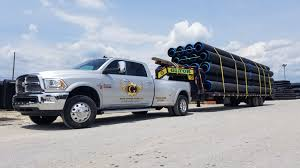
What Is a Hot Shot Trucking Business Plan?
A hot shot trucking business plan is a written roadmap that explains how your business will operate, make money, and grow. It’s not just paperwork—it’s a decision-making tool.
Why a business plan matters
According to data from the U.S. Small Business Administration, businesses with a written plan are 30% more likely to grow sustainably than those without one. In trucking, this matters even more due to fuel costs, regulations, and equipment expenses.
Read too: Top Trucking Companies That Still Have Manual Transmissions
A strong plan helps you:
- Secure financing or equipment loans
- Estimate startup and operating costs
- Set realistic revenue goals
- Avoid common beginner mistakes
- Stay compliant with regulations
Who Needs Hot Shot Trucking Business Plan Examples?
These examples are especially useful if you are:
- Starting a hot shot business from scratch
- Transitioning from company driver to owner-operator
- Applying for a business loan or grant
- Registering an LLC or corporation
- Scaling from part-time to full-time operations
If any of these apply to you, reviewing real Hot Shot Trucking Business Plan Examples can save you months of trial and error.
What Should a Hot Shot Trucking Business Plan Include?
Most successful plans follow a simple but proven structure.
Core sections explained
| Section | Purpose |
|---|---|
| Executive Summary | Overview of the business |
| Company Description | Legal structure & mission |
| Market Analysis | Industry & competition |
| Services Offered | What you haul & where |
| Operations Plan | Daily workflow |
| Marketing Strategy | How you find loads |
| Financial Plan | Costs, revenue & profit |
Each section answers a specific question lenders and partners care about.
Example 1: Owner-Operator Hot Shot Trucking Business Plan
Executive Summary (Example)
This hot shot trucking business will operate as a single-owner LLC based in Texas, specializing in time-sensitive freight under 26,000 lbs. The company will serve oilfield, construction, and industrial clients within a 700-mile radius.
Startup Goal:
Reach consistent profitability within 6 months.
Company Description
- Business Name: Lone Star Hot Shot LLC
- Structure: Single-member LLC
- Location: Midland, TX
- Equipment: 1-ton dually truck + 40-ft gooseneck trailer
Services Offered
- Same-day and next-day freight
- Construction materials
- Equipment and machinery
- Palletized freight
Competitive advantage: Faster delivery than standard freight carriers.
Example 2: Hot Shot Trucking Business Plan for Financing
This version is more detailed and lender-focused.
Market Analysis
The U.S. freight trucking industry generates over $900 billion annually, with hot shot trucking filling a niche for urgent, short-notice loads. Demand is driven by construction, energy, and manufacturing sectors.
(Source: Industry overview via Wikipedia – Trucking industry)
https://en.wikipedia.org/wiki/Trucking_industry
Target Customers
- Construction companies
- Oil & gas contractors
- Equipment rental businesses
- Freight brokers
Operations Plan
Daily workflow example:
- Load search (2–3 hours/day)
- Dispatch confirmation
- Pickup and secure freight
- Delivery within 24–48 hours
- Invoicing same day
Startup Cost Breakdown (Realistic Example)
Understanding costs is critical in any Hot Shot Trucking Business Plan Example.
Estimated startup costs
| Item | Cost (USD) |
|---|---|
| Used 1-ton truck | $35,000 |
| Gooseneck trailer | $18,000 |
| Insurance (down payment) | $3,500 |
| DOT & MC registration | $600 |
| LLC & permits | $500 |
| Emergency fund | $5,000 |
| Total | $62,600 |
Monthly Operating Expenses Example
| Expense | Monthly Cost |
|---|---|
| Fuel | $3,500 |
| Insurance | $1,200 |
| Maintenance | $600 |
| Load boards | $150 |
| Phone & software | $200 |
| Total | $5,650 |
Revenue Projection Example
A realistic hot shot trucking business plan avoids inflated numbers.
Conservative estimate
- Average load: $2.50 per mile
- Weekly miles: 2,500
- Weekly revenue: $6,250
- Monthly revenue: ~$25,000
Estimated net profit:
$7,000–$9,000/month (after expenses)
Marketing Strategy for Hot Shot Trucking
Many plans fail because they underestimate marketing.
Effective strategies
- Load boards (DAT, Truckstop)
- Direct outreach to contractors
- Google Business Profile
- Word-of-mouth referrals
- Long-term broker relationships
💡 Tip: Businesses with at least 3 consistent brokers have more stable cash flow.
Pros and Cons of Hot Shot Trucking (Reality Check)
Advantages vs Disadvantages
| Pros | Cons |
|---|---|
| Lower startup cost | Fuel price volatility |
| Faster market entry | Long hours |
| High demand niches | Maintenance expenses |
| Flexible routes | Seasonal slowdowns |
A strong business plan prepares you for both sides.
Common Mistakes in Hot Shot Trucking Business Plans
Avoid these costly errors:
- Underestimating insurance costs
- Ignoring maintenance reserves
- Overestimating weekly miles
- No exit or scaling strategy
- Weak cash-flow planning
According to industry consultants, cash-flow mismanagement is the #1 reason new trucking businesses fail within 18 months.
How Detailed Should Your Business Plan Be?
It depends on your goal.
- Personal roadmap: 5–8 pages
- Loan or investor: 12–20 pages
- Partnership: Financials + legal focus
Clarity matters more than length.
FAQ – Hot Shot Trucking Business Plan Examples (H2)
What is the best format for a hot shot trucking business plan?
A clear structure with financial projections, operations, and market analysis works best.
Do I need a business plan to start hot shot trucking?
Legally no, but financially and strategically, yes.
Can I use a template instead of writing from scratch?
Templates help, but customization is essential for credibility.
How often should I update my business plan?
At least once per year or after major changes.
Will lenders actually read my trucking business plan?
Yes—especially the financial and operations sections.
Conclusion
Well-written Hot Shot Trucking Business Plan Examples are more than paperwork—they’re tools that help you make smarter decisions, secure funding, and avoid expensive mistakes. By using realistic numbers, clear structure, and honest planning, you dramatically increase your chances of long-term success.
If this guide helped you, share it on social media so other drivers and entrepreneurs can start their hot shot trucking business with confidence.
Leave a Reply