
If you operate a bucket truck, maintaining its hydraulic system is crucial for safety and performance. Choosing the right hydraulic oil for bucket truck can prevent costly breakdowns, reduce wear, and improve overall efficiency. Many operators struggle with selecting the correct fluid or maintaining proper oil levels, which is where this guide comes in—offering clear, expert advice.
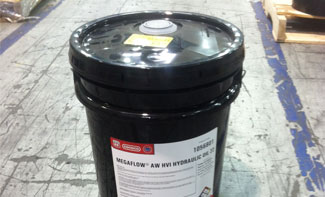
What is Hydraulic Oil and Why It Matters
Hydraulic oil is the lifeblood of a bucket truck’s hydraulic system. It transmits power from the pump to the cylinders, allowing smooth lifting and movement. Using the wrong type or low-quality oil can cause:
- Reduced lifting speed
- Overheating of components
- Increased wear on seals and valves
- Potential system failure
According to Wikipedia, hydraulic fluids must meet specific standards to ensure safety and equipment longevity.
Types of Hydraulic Oil for Bucket Trucks
Different bucket trucks may require specific types of hydraulic oil. Common categories include:
- Mineral-based Hydraulic Oil
- Most widely used
- Good lubrication for general-purpose applications
- Affordable
- Synthetic Hydraulic Oil
- Offers better temperature stability
- Reduces wear in extreme conditions
- Longer service life
- Biodegradable Hydraulic Oil
- Environmentally friendly
- Ideal for outdoor operations where leaks are a concern
- Slightly higher cost
Tip: Always check your bucket truck manufacturer’s manual to match the recommended oil type and viscosity.
How to Choose the Right Hydraulic Oil
Selecting the correct oil involves considering viscosity, additives, and operating conditions.
Checklist for Choosing Hydraulic Oil:
- Viscosity Rating: Ensure it matches your truck’s temperature range (ISO VG 32–46 common for bucket trucks).
- Additives: Anti-wear and rust inhibitors improve system lifespan.
- Temperature Tolerance: Synthetic oils perform better under extreme heat or cold.
- Environmental Requirements: Use biodegradable oil if working near water or sensitive areas.
Read too: Top Trucking Companies That Still Have Manual Transmissions
How to Maintain Hydraulic Oil for Bucket Trucks
Proper maintenance prevents premature wear and system failure. Follow these steps:
- Check Oil Levels Weekly: Use the dipstick or sight glass.
- Monitor Oil Condition: Look for discoloration or contaminants.
- Replace Oil Regularly: Typical interval: 1,000–2,000 operating hours.
- Change Filters: Replace hydraulic filters during oil changes.
- Avoid Mixing Oils: Different types or brands may react poorly.
Signs Your Bucket Truck Needs Hydraulic Oil Replacement
| Symptom | Possible Cause |
|---|---|
| Slow or jerky boom movement | Low oil level or thickened fluid |
| Strange noises (whining or knocking) | Contaminated or old oil |
| Overheating hydraulic system | Incorrect viscosity or degraded oil |
| Leaks around seals | Oil breakdown weakening seals |
Early detection can save significant repair costs and prevent downtime.
Benefits of Using High-Quality Hydraulic Oil
- Improved Equipment Lifespan: Protects valves, pumps, and cylinders.
- Consistent Performance: Smooth boom operation under load.
- Reduced Maintenance Costs: Fewer breakdowns and replacements.
- Environmental Safety: Biodegradable options minimize ecological impact.
FAQs About Hydraulic Oil For Bucket Trucks
Q1: Can I use any hydraulic oil for my bucket truck?
A: No. Always follow the manufacturer’s specifications for viscosity, additives, and type to ensure safe operation.
Q2: How often should I change hydraulic oil?
A: Typically every 1,000–2,000 hours, but check your truck’s manual. More frequent changes may be needed under heavy use.
Q3: What happens if hydraulic oil is too thick or too thin?
A: Too thick: slower boom response. Too thin: poor lubrication, increased wear, and overheating.
Q4: Is synthetic hydraulic oil better than mineral oil?
A: Synthetic oils handle extreme temperatures better and often extend equipment life but cost more upfront.
Q5: How can I check hydraulic oil quality?
A: Inspect color, consistency, and look for metal particles or debris. Professional lab testing is available for industrial fleets.
Conclusion
Using the right hydraulic oil for bucket truck ensures smooth, safe, and efficient operations while extending your equipment’s lifespan. Regular maintenance, correct oil selection, and monitoring oil condition are key steps to avoid downtime. Share this guide with your team or colleagues to help them keep their bucket trucks running at peak performance!
Leave a Reply