
Breakdowns don’t just stop a truck—they stop revenue. That’s why fleets and owner-operators search for Keep It Rolling Truck Repair when they need dependable repairs, fast diagnostics, and clear communication. This guide explains how professional truck repair services work, what to expect, and how to keep your equipment productive with fewer surprises.
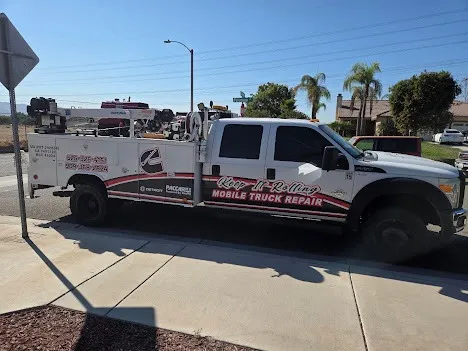
What Is Keep It Rolling Truck Repair?
Keep It Rolling Truck Repair represents a modern approach to commercial vehicle maintenance—prioritizing uptime, transparency, and practical solutions. Services typically cover on-site/mobile repairs, shop-based diagnostics, and preventive maintenance for light-, medium-, and heavy-duty trucks.
Read too: Top Trucking Companies That Still Have Manual Transmissions
Core goals
- Reduce downtime
- Fix it right the first time
- Support fleets and owner-operators
- Keep trucks safe and compliant
Why Fast Truck Repair Matters More Than Ever
Every idle truck costs money. Industry estimates put downtime at $500–$1,000 per day depending on operation type. Missed loads, late deliveries, and penalties compound quickly.
Fast-response repair helps by:
- Restoring service sooner
- Preventing secondary damage
- Keeping drivers on schedule
- Protecting customer relationships
Services Typically Offered
Mobile & Roadside Repair
Ideal for breakdowns where towing would waste hours.
- Jump-starts and battery replacement
- Air line and hose repairs
- Minor electrical faults
- Brake chamber and slack adjuster fixes
In-Shop Diagnostics & Repair
For deeper issues requiring tools and lifts.
- Engine diagnostics
- Aftertreatment (DPF/EGR) service
- Cooling and fuel systems
- Suspension and driveline
Preventive Maintenance (PM)
Planned service reduces emergencies.
- Oil and filter changes
- DOT inspections
- Brake and tire checks
- Fluid analysis
Who Benefits Most?
Keep It Rolling Truck Repair is especially valuable for:
- Owner-operators
- Regional fleets
- Delivery and logistics companies
- Construction and vocational trucks
If your truck earns money daily, speed and accuracy matter more than anything else.
Mobile Repair vs. Traditional Shop Repair
| Feature | Mobile Repair | Shop Repair |
|---|---|---|
| Response time | Fast | Slower |
| Towing needed | No | Sometimes |
| Complex repairs | Limited | Extensive |
| Cost control | High | Moderate |
Best practice: Use mobile repair for urgent issues and shops for major overhauls.
Common Truck Problems Solved Quickly
- No-start conditions
- Air leaks and brake faults
- Overheating
- Warning lights and derates
- Electrical shorts
Addressing these early prevents cascading failures.
How a Typical Service Call Works (Step-by-Step)
- Call & triage: Describe symptoms and location.
- Dispatch: Technician arrives with common parts.
- Diagnosis: Scan tools + visual checks.
- Repair: Fix or stabilize for safe operation.
- Report: Clear explanation and recommendations.
Clear steps mean fewer surprises and faster approvals.
Cost Transparency: What to Expect
Pricing varies by region and severity, but common ranges include:
- Mobile service call: $100–$250
- Hourly labor: $120–$180
- Preventive maintenance: $300–$600
Tip: Preventive maintenance is cheaper than emergency repair—every time.
Safety & Compliance Advantages
Professional repairs help maintain:
- DOT compliance
- Brake and lighting standards
- Emissions requirements
Non-compliance can sideline trucks and lead to fines.
Preventive Maintenance Pays Off
Data from fleet operations shows planned maintenance can cut breakdowns by up to 30%. A simple PM schedule—oil intervals, brake inspections, cooling checks—extends component life and reduces roadside calls.
Parts: OEM vs. Aftermarket
- OEM: Exact fit, higher cost, strong warranty
- Aftermarket: Lower cost, good quality when reputable
Balanced approach: OEM for critical systems; quality aftermarket for wear items.
Communication & Trust
Top repair providers focus on:
- Plain-language explanations
- Photos/videos of issues
- Written estimates
- No-pressure recommendations
Trust saves time and money.
Environmental & Operational Know-How
Understanding how systems work helps prevent repeat issues. For a neutral overview of truck systems and components, see Wikipedia:
👉 https://en.wikipedia.org/wiki/Truck
Red Flags to Avoid
- Vague pricing
- No diagnostics report
- Pushy upsells
- Poor follow-up
Reliable service is transparent and documented.
Fleet Optimization Tips
- Track failures by mileage
- Stock fast-moving spares
- Schedule PM by duty cycle
- Review repair data quarterly
These steps lower total cost of ownership.
FAQ: Keep It Rolling Truck Repair
Do they offer mobile roadside repair?
Answer: Yes—mobile service is a core benefit for minimizing downtime.
Can they handle diesel engines?
Answer: Yes, diesel diagnostics and repair are standard.
Is preventive maintenance available?
Answer: Absolutely. PM programs reduce emergency breakdowns.
How fast is response time?
Answer: Many providers aim for same-day or rapid dispatch, depending on location.
Do they service fleets?
Answer: Yes—fleet accounts are commonly supported with priority scheduling.
Conclusion
Keep It Rolling Truck Repair focuses on what matters most: uptime, accuracy, and trust. Whether you need fast roadside help or a preventive plan that cuts breakdowns, professional truck repair keeps your operation moving and profitable.
Leave a Reply