
If you’re researching Knight Specialty Insurance Company Trucking, you’re likely looking for reliable commercial truck insurance coverage. Whether you’re an owner-operator, fleet manager, or starting a new motor carrier business, choosing the right insurance provider is critical for compliance and financial protection.
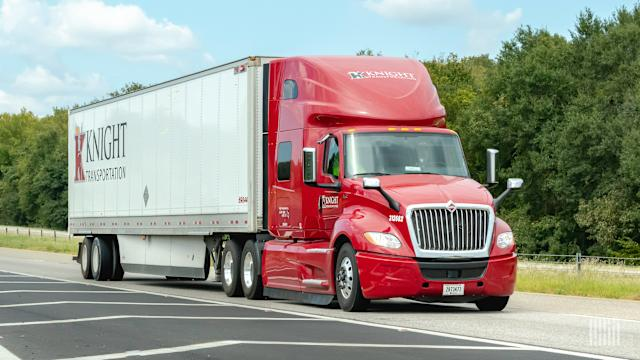
In this guide, we’ll break down what trucking insurance typically covers, how policies are structured, cost expectations, and how to evaluate whether a specialty insurer fits your operation.
What Is Knight Specialty Insurance Company Trucking Coverage?
Knight Specialty Insurance Company Trucking refers to commercial insurance products tailored specifically for trucking operations. These policies are designed to protect motor carriers, owner-operators, and fleet businesses from financial loss due to accidents, cargo damage, liability claims, and operational risks.
Read too: Top Trucking Companies That Still Have Manual Transmissions
Trucking insurance differs from personal auto insurance in several key ways:
- Higher liability limits
- Federal regulatory compliance
- Cargo protection requirements
- Interstate commerce considerations
Commercial trucking in the U.S. is regulated under federal guidelines overseen by the Federal Motor Carrier Safety Administration (FMCSA). You can read more about commercial trucking regulations here:
https://en.wikipedia.org/wiki/Federal_Motor_Carrier_Safety_Administration
Insurance is not optional—it is legally required for most trucking operations.
What Types of Coverage Are Typically Included?
When evaluating a trucking policy under a specialty insurer, you’ll usually encounter the following coverage options:
1. Primary Liability Insurance
- Required by federal law.
- Covers bodily injury and property damage to others.
- Minimum federal limit often starts at $750,000 (higher for hazardous materials).
2. Physical Damage Coverage
- Covers damage to your truck.
- Includes collision and comprehensive.
- Applies regardless of fault.
3. Motor Truck Cargo Insurance
- Protects freight being transported.
- Typical limits range from $100,000 to $250,000.
4. Bobtail/Non-Trucking Liability
- Covers truck operation when not under dispatch.
5. General Liability
- Covers incidents not directly related to driving.
6. Trailer Interchange
- Covers trailers pulled under agreement.
Each policy can be customized based on:
- Fleet size
- Cargo type
- Operating radius
- Safety record
How Much Does Trucking Insurance Cost?
Cost depends heavily on risk factors.
Key Pricing Factors
- Driver age and experience
- Motor Vehicle Record (MVR)
- Type of freight hauled
- Operating states
- Annual mileage
- Claims history
Estimated Annual Premium Ranges
| Operation Type | Estimated Annual Cost |
|---|---|
| New Authority Owner-Operator | $12,000–$20,000 |
| Experienced Owner-Operator | $8,000–$15,000 |
| Small Fleet (3–5 trucks) | $30,000–$75,000 |
| Larger Fleet | Custom Pricing |
New carriers often pay higher premiums due to limited operational history.
Is Specialty Truck Insurance Better Than Standard Commercial Insurance?
Specialty insurers focus specifically on high-risk or complex sectors, including trucking.
Advantages of Specialty Insurers
- Industry-specific underwriting
- Flexible policy customization
- Experience with motor carrier compliance
- Risk management services
Potential Drawbacks
- Higher premiums for new carriers
- Strict underwriting requirements
- Possible deductible variations
For trucking operations, working with insurers that understand DOT regulations and freight risks often results in more accurate coverage.
How to Apply for Trucking Insurance (Step-by-Step)
If you’re considering Knight Specialty Insurance Company Trucking coverage or similar specialty providers, follow this process:
Step 1: Gather Business Documentation
- USDOT number
- MC authority
- Driver information
- Vehicle VIN numbers
Step 2: Prepare Safety Records
- Driver qualification files
- Maintenance logs
- Accident history
Step 3: Request Multiple Quotes
- Compare coverage limits
- Analyze deductibles
- Review exclusions
Step 4: Review Policy Details Carefully
- Understand cargo exclusions
- Confirm coverage territory
- Check claim filing procedures
Step 5: Finalize and Bind Coverage
- Pay initial premium
- Receive certificate of insurance
Insurance brokers can help compare options efficiently.
What Makes Trucking Insurance Claims Different?
Claims in the trucking industry can be complex.
Common claim types include:
- Multi-vehicle collisions
- Cargo damage disputes
- Environmental spills
- Trailer damage claims
Because freight accidents often involve high financial exposure, specialty insurers typically assign dedicated adjusters.
Proper documentation after an accident is critical.
Post-Accident Checklist
- Secure the scene safely.
- Call law enforcement if required.
- Take photos (vehicle, cargo, road conditions).
- Collect witness information.
- Notify insurer immediately.
Quick reporting helps prevent claim disputes.
Risk Management and Safety Programs
Specialty trucking insurers often offer risk mitigation support.
These may include:
- Driver safety training
- Telematics integration
- Accident trend analysis
- Compliance guidance
Studies in the commercial insurance sector show that fleets using telematics can reduce accident frequency by up to 20%.
Lower accident frequency may lead to premium stability over time.
What Coverage Limits Should You Choose?
Choosing the right limit depends on:
- Cargo value
- Contract requirements
- Operating routes
- Financial exposure tolerance
For example:
- Hazardous materials require higher liability limits.
- High-value electronics freight requires higher cargo limits.
Consulting a transportation insurance specialist helps ensure compliance.
Common Mistakes to Avoid
- Choosing minimum liability only
- Ignoring cargo coverage gaps
- Failing to disclose accurate mileage
- Not updating insurer about new drivers
- Skipping annual policy review
Transparency reduces the risk of denied claims.
How Does Insurance Impact Your Trucking Business?
Insurance is not just a legal requirement—it influences:
- Freight contract eligibility
- Broker partnerships
- Financial stability
- Risk management
Shippers often require proof of adequate coverage before assigning loads.
Strong insurance coverage enhances credibility.
FAQ – Knight Specialty Insurance Company Trucking
What does trucking insurance cover?
It typically covers liability, cargo, physical damage, and additional protections depending on policy structure.
Is trucking insurance required by law?
Yes. Most interstate carriers must meet federal minimum liability requirements.
How can I lower my trucking insurance premium?
Maintain a clean driving record, invest in safety programs, and shop multiple quotes annually.
Do new trucking companies pay more?
Yes. New authority carriers often face higher premiums due to limited history.
How quickly are claims processed?
Processing time varies, but prompt reporting and documentation accelerate the process.
Conclusion
Knight Specialty Insurance Company Trucking coverage represents the type of specialized insurance solutions designed for the unique risks of the trucking industry. From liability and cargo protection to fleet risk management, proper insurance safeguards both your equipment and your financial future.
Choosing the right policy requires careful evaluation of coverage limits, deductibles, and operational risk. Work with experienced insurance professionals and review your policy annually to ensure your trucking business remains protected and compliant.
If this guide helped clarify trucking insurance coverage, share it with fellow owner-operators and fleet managers who want to make informed decisions about their protection strategy.
Leave a Reply