
Buying a dump truck outright can feel out of reach, especially for new contractors or owner-operators with limited capital. That’s why Lease To Own Dump Trucks has become an increasingly popular solution across the United States. This model allows you to work, earn, and gradually build ownership—without the heavy upfront cost of traditional financing.
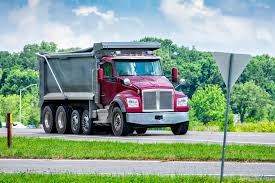
In this guide, you’ll learn exactly how lease-to-own dump trucks work, who they’re best for, and how to avoid common mistakes—so you can make a confident, informed decision.
What Does “Lease To Own Dump Trucks” Mean?
Lease To Own Dump Trucks refers to an agreement where you lease a dump truck with the option (or obligation) to purchase it at the end of the lease term. Instead of paying the full price upfront, you make regular payments while using the truck for work.
Read too: Franklin Truck Parts Near Me: Your Complete Guide to Local Truck Parts & Repair Solutions
Key Characteristics
- You operate the truck during the lease period
- A portion of payments may go toward ownership
- Ownership transfers after final payment or buyout
- Approval is often easier than bank loans
According to industry data, over 60% of first-time owner-operators choose lease-based programs rather than traditional loans due to flexibility and lower barriers to entry.
Who Should Consider Lease To Own Dump Trucks?
This is one of the most common “People Also Ask” questions—and for good reason.
Lease-to-own is ideal for:
- New owner-operators without strong credit
- Small construction businesses scaling operations
- Independent contractors with steady hauling contracts
- Drivers rebuilding credit after financial setbacks
If you already have contracts lined up and predictable cash flow, leasing to own can be a strategic way to grow without draining reserves.
Lease To Own vs Traditional Financing: What’s the Difference?
| Feature | Lease To Own Dump Trucks | Traditional Loan |
|---|---|---|
| Credit Requirements | Flexible | Strict |
| Down Payment | Low or none | Often 10–20% |
| Ownership | End of term | Immediate |
| Maintenance | Often included | Owner pays |
| Approval Speed | Fast | Slower |
Bottom line: Lease-to-own prioritizes access and flexibility, while traditional financing focuses on long-term cost savings.
How Does a Lease To Own Dump Truck Program Work?
Understanding the process step by step reduces risk and surprises.
Step-by-Step Breakdown
- Choose the truck
Select a dump truck based on payload, axle configuration, and job type. - Apply for the lease program
Most providers check income, driving record, and work history. - Sign the lease agreement
Review payment amount, term length, mileage limits, and buyout terms. - Operate and earn
Use the truck to generate income while making weekly or monthly payments. - Complete the buyout
At the end of the term, pay the agreed amount to own the truck outright.
📌 Typical lease terms range from 24 to 60 months, depending on truck age and value.
How Much Does It Cost to Lease To Own a Dump Truck?
Costs vary, but transparency is critical.
Average Cost Breakdown (U.S.)
- Weekly payment: $700–$1,200
- Lease term: 2–5 years
- Buyout amount: $1–$5,000 (sometimes $1 buyout)
According to commercial vehicle market reports, lease-to-own programs may cost 10–20% more overall than traditional loans—but provide faster access and easier approval.
Pros and Cons of Lease To Own Dump Trucks
Advantages
- ✅ Low upfront cost
- ✅ Easier approval than bank loans
- ✅ Immediate income potential
- ✅ Maintenance often included
- ✅ Path to ownership
Disadvantages
- ❌ Higher total cost over time
- ❌ Limited flexibility during lease
- ❌ Missed payments can mean loss of truck
- ❌ Some contracts favor the lessor
💡 Tip: Always request a full payment schedule before signing.
What Types of Dump Trucks Are Available?
Most lease-to-own programs offer commonly used configurations.
Popular Options
- Single-axle dump trucks – light construction, landscaping
- Tandem-axle dump trucks – roadwork, gravel hauling
- Tri-axle dump trucks – heavy loads, demolition
- Transfer dump trucks – high-capacity operations
Truck brands commonly available include Freightliner, Mack, Kenworth, and Peterbilt.
Credit Requirements: Do You Need Good Credit?
One major appeal of Lease To Own Dump Trucks is flexible credit standards.
What Providers Usually Check
- Proof of income or contracts
- CDL and driving history
- Down payment capability (if any)
Many programs approve drivers with credit scores below 600, focusing more on earning potential than credit history.
Maintenance and Repairs: Who Pays?
This depends on the lease agreement.
Common Scenarios
- Included maintenance: Oil changes, inspections, minor repairs
- Shared responsibility: Lessee handles wear items (tires, brakes)
- Full responsibility: Usually for newer or discounted leases
Always clarify maintenance terms in writing—this directly impacts profitability.
Legal and Contract Considerations
Lease-to-own agreements are legally binding contracts. Understanding the structure protects you from costly mistakes.
A lease is distinct from a loan and is governed differently under U.S. commercial law. For a general explanation of leasing structures, you can refer to Wikipedia’s overview of leasing for neutral background information.
Key Clauses to Review
- Early termination penalties
- Missed payment consequences
- Mileage or usage limits
- End-of-term buyout conditions
📌 Expert advice: Have a commercial attorney review the contract if the terms are unclear.
Real-World Example: Owner-Operator Case Study
Case:
John, a Texas-based contractor, leased a tandem-axle dump truck under a 36-month lease-to-own plan.
- Weekly payment: $850
- Maintenance: Included
- Monthly revenue: ~$8,000
After expenses, John cleared enough profit to comfortably complete the buyout—and now owns a fully paid truck generating ongoing income.
Common Mistakes to Avoid
Many first-time lessees make avoidable errors.
❌ Not calculating total lease cost
❌ Ignoring maintenance clauses
❌ Overestimating weekly revenue
❌ Signing without exit options
❌ Choosing the wrong truck size
Avoiding these mistakes can mean the difference between growth and financial stress.
Is Lease To Own Dump Trucks Worth It in 2025?
With construction demand and infrastructure spending remaining strong, dump trucks continue to be in high demand. For many drivers, lease-to-own remains one of the fastest entry points into ownership.
If your priority is cash flow, speed, and access, lease-to-own can be a smart strategic move—provided you choose the right program.
Frequently Asked Questions (FAQ) – H2
Q1: Is lease to own better than financing a dump truck?
It depends on your situation. Lease-to-own is easier to qualify for, while financing is cheaper long-term.
Q2: Can I lease to own a dump truck with bad credit?
Yes. Many programs focus on income and work history rather than credit score.
Q3: Do lease payments build equity?
Sometimes. Some programs apply part of payments toward the buyout—others do not.
Q4: What happens if I miss payments?
Missed payments may lead to penalties or repossession. Always review grace periods.
Q5: Can I end a lease-to-own contract early?
Some contracts allow early buyouts, but early termination often includes fees.
Conclusion
Lease To Own Dump Trucks offers a practical, flexible path to ownership—especially for owner-operators and small businesses looking to grow without heavy upfront costs. With the right contract, realistic revenue planning, and a solid work pipeline, this model can unlock long-term independence and profitability.
If this guide helped you, share it on social media with fellow drivers or contractors who may be exploring their next step toward truck ownership.
Leave a Reply