
Starting or expanding a towing business requires serious equipment—and serious capital. If you don’t have $40,000 to $150,000 upfront, Lease To Own Tow Trucks programs can offer a practical path to ownership. These agreements allow you to operate a truck while making structured payments toward eventually owning it.
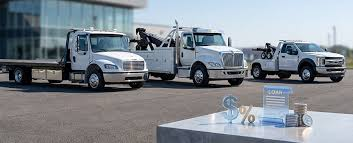
In this complete guide, we’ll break down how lease-to-own works, who qualifies, real costs, potential risks, and whether it’s the right move for your towing business.
Read too: Top Trucking Companies That Still Have Manual Transmissions
What Are Lease To Own Tow Trucks?
Lease To Own Tow Trucks are commercial towing vehicles acquired through a financing arrangement where you lease the truck with the option—or obligation—to purchase it after completing scheduled payments.
Instead of traditional bank financing, you:
- Make weekly or monthly payments
- Operate the truck immediately
- Build equity over time
- Gain ownership at the end of the term
Lease-to-own agreements are common in industries requiring expensive equipment, including trucking and heavy recovery operations.
For general background on leasing structures, see:
https://en.wikipedia.org/wiki/Lease
How Does a Lease-To-Own Tow Truck Program Work?
While terms vary by provider, most programs follow a similar structure.
Step 1: Application & Approval
Lenders typically review:
- Credit score (minimum often 550–620)
- Business history
- CDL (if required)
- Down payment availability
Some companies offer no-credit-check programs, but interest costs may be higher.
Step 2: Down Payment
Down payments range from:
- $2,000 to $15,000
- 5%–20% of truck value
Lower down payments usually mean higher weekly payments.
Step 3: Payment Terms
Common term lengths:
- 24 months
- 36 months
- 48–60 months
Payments may be structured weekly to align with cash flow from towing jobs.
Step 4: Ownership Transfer
After completing payments:
- Title transfers to you
- Or you pay a small final buyout amount
Always confirm whether the final buyout is $1, market value, or a balloon payment.
How Much Do Lease To Own Tow Trucks Cost?
Costs depend on truck type and financing structure.
Typical Tow Truck Price Ranges
| Truck Type | Estimated Price |
|---|---|
| Light-duty wrecker | $40,000–$75,000 |
| Medium-duty | $75,000–$120,000 |
| Heavy-duty rotator | $150,000–$500,000 |
Example Payment Breakdown
Truck price: $85,000
Down payment: $10,000
Financed: $75,000
Term: 48 months
Estimated monthly payment: $1,900–$2,300 (varies by rate)
Total paid may exceed purchase price due to financing costs.
What Credit Score Is Required?
Many programs advertise:
- “Bad credit OK”
- “No credit financing”
- “Startup friendly”
However, approval terms depend on risk assessment.
Typical Requirements:
- Credit score above 600 for favorable rates
- Proof of income or contracts
- Valid driver’s license
- Insurance coverage
Lower credit scores often mean higher interest rates.
Pros and Cons of Lease To Own Tow Trucks
Pros
- Lower upfront cost
- Faster business startup
- Ownership at end of term
- Flexible approval options
- Preserves cash flow
Cons
- Higher total cost than cash purchase
- Strict payment schedules
- Repossession risk if payments missed
- Maintenance responsibility often falls on lessee
Understanding both sides prevents financial strain later.
Is Lease-To-Own Better Than Traditional Financing?
Lease-To-Own vs Bank Loan
| Feature | Lease-To-Own | Bank Loan |
|---|---|---|
| Approval speed | Fast | Moderate |
| Credit flexibility | Higher | Stricter |
| Ownership timing | End of term | Immediate |
| Total cost | Higher | Often lower |
| Down payment | Flexible | Usually required |
If your credit is strong, traditional financing may be cheaper long term.
If your credit is limited or you’re launching a startup, lease-to-own may be more accessible.
Step-by-Step: How to Choose the Right Lease To Own Tow Truck
Step 1: Determine Your Business Model
- Roadside assistance only?
- Light vehicle towing?
- Heavy-duty recovery?
Choose truck capacity based on demand in your area.
Step 2: Calculate Real Operating Costs
Include:
- Insurance ($8,000–$20,000 annually)
- Fuel
- Maintenance
- Licensing & permits
- Storage
Ensure projected revenue exceeds total monthly obligations.
Step 3: Compare Multiple Lease Providers
Ask:
- What is the total repayment amount?
- Is there a balloon payment?
- Are there early payoff penalties?
- Who handles major repairs?
Request everything in writing.
Step 4: Inspect the Truck Thoroughly
Before signing:
- Check engine hours
- Review maintenance records
- Inspect hydraulic systems
- Test winch and boom operation
Hiring a diesel mechanic for inspection (typically $150–$300) can prevent costly surprises.
How Much Can a Tow Truck Make?
Revenue varies by location and specialization.
Average Towing Rates (U.S.)
- Local tow: $75–$150
- Mileage: $3–$7 per mile
- Heavy recovery: $250–$800+ per job
A busy operator completing 4–6 calls per day can generate significant revenue.
However, business success depends on contracts, police rotation lists, and roadside service agreements.
Common Mistakes to Avoid
- Ignoring total repayment cost
- Choosing the wrong truck size
- Underestimating insurance costs
- Signing without reviewing fine print
- Failing to budget maintenance
A poorly structured lease can damage your business before it gains traction.
Are Lease To Own Tow Trucks Good for Startups?
Yes—if structured wisely.
Startups benefit from:
- Lower upfront capital requirement
- Faster operational launch
- Revenue generation while building credit
However, stable cash flow is essential. Missing payments can result in repossession.
Tax Considerations
Lease payments may be deductible as business expenses. Consult a tax professional to determine:
- Depreciation eligibility
- Section 179 deduction
- Lease vs ownership tax advantages
Tax planning can significantly impact profitability.
FAQ – Lease To Own Tow Trucks
1. Can I lease to own a tow truck with bad credit?
Yes. Many providers offer programs for lower credit scores, but expect higher interest rates.
2. Is insurance required before approval?
Yes. Commercial auto insurance is typically required before releasing the truck.
3. What happens if I miss a payment?
Late fees apply, and repeated missed payments may lead to repossession.
4. Can I pay off the lease early?
Some programs allow early payoff, but confirm whether penalties apply.
5. Are used tow trucks available in lease-to-own programs?
Yes. Many programs finance both new and used commercial tow trucks.
6. How long does approval take?
Some providers approve applications within 24–72 hours.
Final Thoughts
Lease To Own Tow Trucks can be a powerful entry point into the towing industry—especially if upfront capital is limited. While total costs may exceed traditional financing, the flexibility and faster approval process make it appealing for startups and expanding operators.
The key is careful evaluation: calculate operating costs, compare multiple offers, and review contract terms thoroughly.
If you found this guide helpful, share it on social media to support other entrepreneurs exploring tow truck ownership opportunities.
Leave a Reply