
If you own a pickup truck and trailer that meet hotshot requirements, you may be wondering whether leasing it out is a smart way to earn passive or semi-passive income. Many drivers search leasing my truck to a hotshot company because they want steady revenue without managing loads themselves. This guide explains exactly how truck leasing works in hotshot trucking, what to expect financially, and how to avoid costly mistakes.
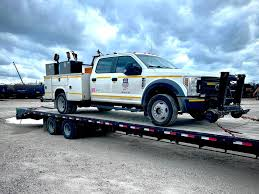
Leasing My Truck To A Hotshot Company (Quick Overview)
Leasing your truck to a hotshot company means allowing the company to operate your truck under their authority in exchange for a percentage of revenue or a fixed lease payment. The company handles dispatching, freight, and compliance, while you provide the equipment.
This arrangement can work well—but only with the right contract and expectations.
What Is Hotshot Trucking?
Hotshot trucking involves hauling time-sensitive, smaller loads using:
- Heavy-duty pickup trucks (usually Class 3–5)
- Flatbed or gooseneck trailers
- No full semi tractor required
Read too: Franklin Truck Parts Near Me: Your Complete Guide to Local Truck Parts & Repair Solutions
Hotshot loads are common in:
- Oil and gas
- Construction
- Manufacturing
- Agriculture
For a general definition of hotshot trucking, see Wikipedia’s explanation of trucking and freight transport:
https://en.wikipedia.org/wiki/Truck
How Leasing My Truck To A Hotshot Company Works
Basic Lease Structure
When leasing your truck:
- You remain the owner of the truck
- The company operates it under their DOT and MC authority
- A driver (either you or company-provided) runs loads
- Revenue is split based on the agreement
Common lease models
- Lease-on with you as the driver
- Lease-on with company-provided driver
- Equipment-only lease (truck + trailer)
Each model carries different risks and returns.
Why Hotshot Companies Lease Trucks
Hotshot companies lease trucks because it allows them to:
- Scale operations quickly
- Avoid large capital expenses
- Reduce equipment ownership risk
- Expand fleet capacity on demand
For owners, leasing can provide consistent income without running a full business.
Pros and Cons of Leasing My Truck To A Hotshot Company
Advantages
Pros
- Steady income stream
- No need to find loads
- Reduced administrative work
- Company handles compliance and dispatch
- Easier entry than full owner-operator model
Disadvantages
Cons
- Loss of control over how truck is used
- Wear and tear on your equipment
- Risk of unpaid downtime
- Dependence on company management
- Contractual restrictions
Income Potential: What Can You Really Earn?
Income varies widely depending on:
- Truck and trailer type
- Freight lanes
- Driver availability
- Fuel prices
- Lease terms
Typical revenue splits
- 70/30 split (driver/owner or company/owner)
- 75/25 split
- Flat weekly lease: $800–$1,500/week
Realistic expectations
- Gross weekly revenue per truck: $3,000–$6,000
- Net owner profit (after expenses): $800–$2,500/week
These figures are averages, not guarantees.
Expenses You Must Account For
Even when leasing, you may still be responsible for certain costs.
Common owner expenses
- Truck payment
- Insurance (if not provided)
- Maintenance and repairs
- Tires
- Registration and permits
- Depreciation
Never evaluate income without subtracting these costs.
Who Pays for Insurance? (Critical Question)
Insurance responsibilities must be clearly defined.
Possible scenarios
- Company provides full coverage
- Owner provides physical damage insurance
- Split insurance responsibilities
Always confirm:
- Liability limits
- Cargo insurance
- Physical damage coverage
- Deductibles
Insurance misunderstandings are one of the top causes of lease disputes.
Maintenance and Wear: The Hidden Cost
Hotshot trucks accumulate miles fast.
Average usage
- 3,000–5,000 miles per week
- High stress on drivetrain
- Increased maintenance cycles
Make sure your lease agreement clearly states:
- Who approves repairs
- Maintenance schedules
- Reimbursement policies
- Downtime compensation (if any)
Leasing My Truck To A Hotshot Company: Contract Terms to Watch
Key clauses to review carefully
- Length of lease
- Termination notice period
- Payment schedule
- Responsibility for tickets or violations
- Downtime policies
- Damage liability
- Non-compete clauses
Never sign a lease without reading every line.
Lease-On vs Owner-Operator: Which Is Better?
| Factor | Lease-On | Owner-Operator |
|---|---|---|
| Control | Low | High |
| Risk | Moderate | High |
| Admin work | Minimal | Extensive |
| Income ceiling | Lower | Higher |
| Time commitment | Less | More |
Leasing is often ideal for first-time equipment owners or semi-retired drivers.
What Type of Truck Is Best for Leasing?
Hotshot companies typically prefer:
- Ford F-350 / F-450 / F-550
- RAM 3500 / 4500
- Chevrolet Silverado 3500HD
Minimum requirements
- Diesel engine
- Dually rear wheels
- Gooseneck hitch
- DOT-compliant condition
Trailers often need:
- 30–40 ft flatbed
- Load securement equipment
- Current inspection
Step-by-Step: How to Lease My Truck to a Hotshot Company
Step 1: Prepare Your Equipment
Ensure truck and trailer meet DOT standards.
Step 2: Gather Documents
- Title or lease agreement
- Insurance
- Registration
- Maintenance records
Step 3: Research Companies
Look for:
- Payment reliability
- Load volume
- Driver treatment
- Online reviews
Step 4: Review Lease Agreement
Have it reviewed if possible.
Step 5: Sign and Onboard
Complete inspections and orientation.
Red Flags to Avoid
- Vague payment terms
- No written lease agreement
- Delayed payments
- No insurance documentation
- Pressure to sign quickly
If it feels rushed, walk away.
Tax Implications of Leasing My Truck
Leasing income is typically:
- Taxable business income
- Subject to depreciation rules
- Eligible for expense deductions
Consult a tax professional to maximize deductions and avoid surprises.
Is Leasing My Truck To A Hotshot Company Worth It?
It can be—if structured correctly.
Leasing works best when:
- You want predictable income
- You don’t want dispatch responsibility
- You accept equipment wear
- You partner with a reputable company
It works poorly when contracts are unclear or maintenance costs are ignored.
FAQ: Leasing My Truck To A Hotshot Company
Q1: Can I lease my truck without driving it myself?
Yes, many companies provide drivers, but terms vary.
Q2: How long are hotshot truck leases?
Typically 6–12 months, sometimes month-to-month.
Q3: Who pays for fuel?
Usually the driver or company, but always confirm.
Q4: What happens if my truck breaks down?
Most leases pause income unless downtime compensation is included.
Q5: Can I lease multiple trucks?
Yes, if the company supports fleet expansion.
Conclusion
Leasing my truck to a hotshot company can be a smart way to generate income without running a full trucking operation—but only with the right preparation and contract. Understanding expenses, responsibilities, and risks is essential to protecting your investment.
Leave a Reply