
Balancing heavy loads on a traditional dolly can strain your back and risk product damage. Magliner Self Stabilizing Hand Trucks are designed to keep loads upright with less effort, especially on ramps, curbs, and stairs.
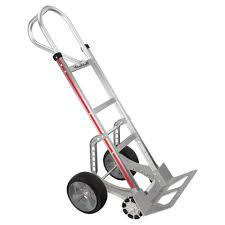
This guide explains how the stabilizing system works, who benefits most, and how to use these carts safely and efficiently.
What Are Magliner Self Stabilizing Hand Trucks?


4
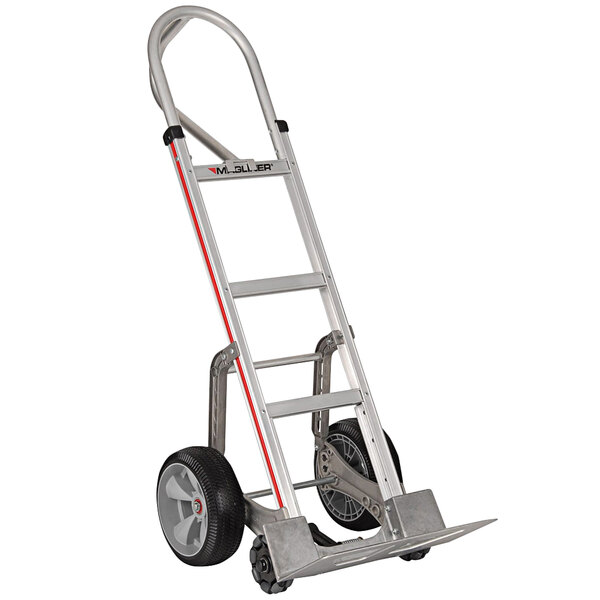
Magliner designs professional-grade aluminum hand trucks used by delivery drivers, beverage distributors, and warehouse teams. The self-stabilizing design adds rear geometry and wheel placement that helps the load remain upright with less tilt from the operator.
For background on hand trucks (dollies), see:
https://en.wikipedia.org/wiki/Hand_truck
How the Self-Stabilizing Design Works
Traditional dollies require you to tilt the load far back to balance it over the wheels. Magliner’s design:
- Shifts wheel position for better center of gravity
- Uses frame geometry to reduce tilt angle
- Adds rear stability support
- Keeps tall loads from swaying
Read too: Franklin Truck Parts Near Me: Your Complete Guide to Local Truck Parts & Repair Solutions
Result: less strain, more control.
Who Benefits Most from This Design?
| User Type | Benefit |
|---|---|
| Beverage delivery | Stable tall stacks of cases |
| Appliance delivery | Better control on stairs |
| Parcel delivery | Less fatigue on long routes |
| Warehouse teams | Safer pallet breakdowns |
Anyone moving tall, heavy loads repeatedly benefits from reduced tilt effort.
Key Features to Look For
- Lightweight aluminum frame
- Large pneumatic or solid wheels
- Modular nose plates
- Stair climber wheel option
- Rear stabilizer bar design
These features work together to improve load balance.
Self-Stabilizing vs Traditional Hand Trucks
| Feature | Self-Stabilizing | Traditional |
|---|---|---|
| Tilt needed | Low | High |
| Load sway | Minimal | Common |
| Operator strain | Low | Higher |
| Stair control | Better | Harder |
| Learning curve | Easy | Moderate |
Step-by-Step: Proper Loading Technique
- Place nose plate fully under load
- Keep load centered on frame
- Tilt back slightly (less than with normal dolly)
- Let wheels carry most of the weight
- Move slowly over thresholds and ramps
You’ll notice you don’t need to lean back as much.
Wheel Options and Their Impact


4
| Wheel Type | Best For |
|---|---|
| Pneumatic | Outdoor, rough terrain |
| Solid rubber | Indoor warehouse floors |
| Stair climber tri-wheel | Frequent stair routes |
Choosing the right wheel type dramatically improves stability.
Common Mistakes Users Make
- Overloading beyond rating
- Not centering the load
- Using indoor wheels outdoors
- Pulling instead of pushing on ramps
Technique matters as much as the equipment.
Real-World Scenario
A beverage driver stacking 10 cases high on a standard dolly must lean back significantly, straining the lower back. With a Magliner self-stabilizing model, the same stack stays upright with minimal tilt, reducing fatigue over a full shift.
Maintenance Tips
- Check wheel bolts monthly
- Inspect frame rivets
- Replace worn nose plates
- Keep wheels clean of debris
Aluminum frames resist rust but still need inspection.
Weight Capacity Guidelines
| Model Size | Typical Capacity |
|---|---|
| Standard | 500–600 lbs |
| Heavy-duty | 700–800 lbs |
Never exceed rated capacity even if the cart “feels” stable.
FAQ — Magliner Self Stabilizing Hand Trucks
Q1: Are these harder to use than regular dollies?
No. They’re easier due to reduced tilt.
Q2: Do they work on stairs?
Yes, especially with stair-climber wheels.
Q3: Is aluminum strong enough?
Yes, Magliner frames are commercial-grade.
Q4: Can nose plates be changed?
Yes, they are modular.
Q5: Why are these popular with delivery drivers?
They reduce fatigue and improve safety.
Conclusion
Magliner Self Stabilizing Hand Trucks improve safety, reduce strain, and make moving tall loads easier for professionals. With the right wheels and proper technique, they outperform traditional dollies in nearly every delivery scenario.
If this guide helped you understand the benefits, share it on social media to help others work safer and smarter.
Leave a Reply