
Delivering high-quality concrete on schedule can be challenging, especially for large or remote construction projects. Mix On Site Concrete Trucks offer a reliable solution by producing concrete directly at your job site. This approach reduces waste, ensures precise consistency, and speeds up project timelines, making it an essential tool for contractors and construction managers.
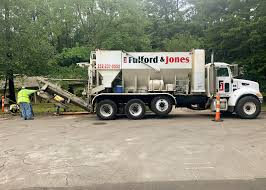
What Are Mix On Site Concrete Trucks?
A mix on site concrete truck is a mobile system that mixes raw materials—cement, aggregates, and water—directly at the construction site. Unlike traditional ready-mix delivery trucks, these units allow precise control over the mix design and reduce delays caused by transit time or batch inconsistencies.
Read too: Top Trucking Companies That Still Have Manual Transmissions
Key Features
- Built-in mixers and batching systems
- Adjustable water and admixture control
- GPS and batching software for precise delivery
- Can handle small to large volumes per load
According to the National Ready Mixed Concrete Association (NRMCA), on-site mixing reduces waste by up to 20% compared to standard deliveries.
Benefits of Using Mix On Site Concrete Trucks
1. Customizable Mixes
Contractors can adjust water-to-cement ratios, aggregate size, and additives on demand. This is particularly useful for:
- High-strength structural concrete
- Decorative or stamped concrete
- Fast-setting concrete for repairs
2. Reduced Waste
Traditional pre-mixed concrete often results in over-ordering or excess material. On-site mixing allows exact quantities for each pour.
3. Faster Project Completion
On-site trucks minimize waiting times for deliveries. Projects that once took multiple days can now be completed more efficiently.
4. Cost Savings
- Reduced material waste
- Lower transportation costs
- Fewer delays due to traffic or batching plant issues
How Mix On Site Concrete Trucks Work
Step-by-Step Process
- Material Loading – Cement, sand, gravel, and water are loaded into storage bins on the truck.
- Batching – Digital controls measure the precise amount of each component.
- Mixing – Ingredients are mixed in the onboard drum or continuous mixer.
- Discharge – Concrete is poured directly into forms or pumping systems.
- Quality Check – Slump test or other consistency tests ensure concrete meets specifications.
⏱ Typical Output: 5–10 cubic yards per hour, depending on truck size.
Applications of Mix On Site Concrete Trucks
These trucks are used in a variety of scenarios:
| Application | Benefits |
|---|---|
| Residential foundations | Quick pours for small to medium sites |
| Road and highway repairs | On-demand fast-setting mixes |
| Commercial slabs | Large volume with precise consistency |
| Remote projects | No need for nearby batching plant |
| Decorative concrete | Custom colors and textures |
Types of Mix On Site Concrete Trucks
1. Single-Drum Trucks
Ideal for smaller projects; mixes continuously and allows direct pouring into forms.
2. Twin-Drum Trucks
Used for medium to large projects; separate drums for batching and mixing improve efficiency.
3. Stationary Trailer Units
Semi-mobile units with high-capacity storage bins; perfect for long-term projects or remote sites.
Comparing On-Site Mixing vs. Traditional Ready-Mix
| Feature | On-Site Concrete Truck | Ready-Mix Delivery |
|---|---|---|
| Flexibility | High | Limited to pre-mix |
| Waste | Low | Higher, often excess |
| Consistency | Adjustable on demand | Fixed at batching plant |
| Cost | Potentially lower | Can be higher due to delivery fees |
| Speed | Faster at site | Dependent on plant availability |
Maintenance and Safety Tips
- Daily equipment check: Inspect drum, conveyor, and hydraulic systems
- Proper cleaning: Prevent hardened concrete buildup
- Calibration: Regularly calibrate batching controls
- Operator training: Ensure safe and efficient operation
NRMCA recommends following OSHA guidelines for mobile concrete equipment to prevent accidents on site.
Cost Considerations
Startup and operational costs vary depending on truck type and volume needs.
| Expense | Typical Cost (USD) |
|---|---|
| On-site concrete truck | $150,000–$300,000 |
| Fuel & water | $100–$300/day |
| Maintenance | $500–$1,500/month |
| Operator labor | $25–$40/hour |
Careful planning ensures ROI through reduced waste and faster project completion.
Real-World Case Study
A commercial contractor in Texas used a twin-drum on-site concrete truck for a 10,000 sq. ft. warehouse slab:
- Traditional delivery estimated 2 days of waiting
- On-site mixing completed slab in 1.5 days
- Material savings: 15%
- Reduced labor and machine rental by 20%
This demonstrates how mix on site concrete trucks improve efficiency and profitability.
External Resource
For more information on concrete technology and types, see Wikipedia – Concrete:
https://en.wikipedia.org/wiki/Concrete
FAQ – Mix On Site Concrete Trucks (H2)
How much concrete can a typical truck mix on-site?
5–10 cubic yards per hour, depending on the truck and drum capacity.
Can on-site trucks handle decorative concrete?
Yes, color pigments, admixtures, and textures can be added during mixing.
Are these trucks suitable for remote projects?
Absolutely. They eliminate the need for nearby batching plants.
Do on-site trucks save money compared to ready-mix delivery?
Yes, by reducing waste, minimizing transport, and providing faster pours.
What maintenance is required for these trucks?
Daily inspections, cleaning after each pour, and regular calibration of batching systems.
Conclusion
Mix On Site Concrete Trucks revolutionize the construction process by delivering high-quality, customizable concrete directly to your project site. They save time, reduce waste, lower costs, and increase overall project efficiency. Whether for residential foundations, highways, or remote commercial projects, on-site mixing trucks are a smart investment.
👉 Share this guide with your construction team or peers to help them optimize concrete delivery and boost project efficiency.
Leave a Reply