
Have you ever needed to move a semi trailer without truck? It can be a daunting task, especially if you lack the right equipment or experience. Whether relocating for storage, maintenance, or site adjustment, understanding the correct methods can save time, reduce risk, and prevent damage.
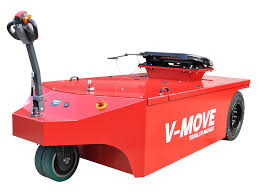
How Can You Move a Semi Trailer Without a Truck?
Moving a semi trailer without a truck is possible with the right equipment and preparation. Experts recommend using trailer dollies, skid steer loaders, or hydraulic jacks to reposition trailers safely.
Read too: Top Trucking Companies That Still Have Manual Transmissions
Tools You Will Need
| Tool | Purpose | Safety Tip |
|---|---|---|
| Trailer Dolly | Provides mobility without towing | Ensure weight capacity matches trailer weight |
| Hydraulic Jack | Lifts trailer for wheel adjustment | Use on flat, stable surfaces only |
| Skates or Caster Wheels | Move heavy trailers short distances | Always secure trailer after moving |
| Chains & Straps | Stabilize during movement | Avoid twisting chains under tension |
According to a Wikipedia article on semi-trailers, proper support and balance are crucial when relocating trailers to prevent tipping or axle damage.
Step-by-Step Methods to Move a Semi Trailer Without Truck
Here’s a practical approach used by professional yard managers:
1. Using Trailer Dollies
- Inspect the Dolly: Ensure it can handle your trailer’s weight.
- Lift the Trailer: Use a hydraulic jack to raise the trailer’s kingpin.
- Position Dolly: Slide the dolly under the front or rear axle.
- Secure Trailer: Lock the trailer onto the dolly using chains or straps.
- Move Slowly: Push or pull using a smaller vehicle or manual power for short distances.
2. Using Skates or Caster Wheels
- Raise Trailer: Lift with hydraulic jacks under each wheel.
- Attach Skates: Place under each lifted wheel carefully.
- Move Trailer: Push manually or with forklifts.
- Lower Slowly: Once positioned, remove skates and lower the trailer gently.
3. Using Forklift or Skid Steer
- Check Weight Limits: Ensure the forklift or loader can carry the trailer.
- Secure Trailer: Use heavy-duty straps to prevent sliding.
- Lift & Move: Carefully maneuver the trailer to the new location.
- Set Down: Gradually lower trailer on stable ground.
Safety Considerations
- Always check ground conditions: avoid slopes or uneven surfaces.
- Wear personal protective equipment (gloves, boots, helmet).
- Never move trailers during high winds or poor visibility.
- Consider insurance coverage if using rental equipment.
Advantages vs Disadvantages
| Advantages | Disadvantages |
|---|---|
| No need for a truck | Requires specialized equipment |
| Can relocate indoors or tight spaces | Labor-intensive |
| Safer for short distances | Not suitable for highways |
FAQ Section
Q1: Can I move a semi trailer without professional help?
Yes, but only for short distances and with proper tools like dollies or skates. Always prioritize safety.
Q2: What is the safest way to move a heavy trailer without a truck?
Using trailer dollies combined with hydraulic jacks is considered the safest method for controlled, short-distance movement.
Q3: How much space do I need to move a semi trailer manually?
Ensure at least 15–20 feet of clearance in all directions, depending on trailer size, to maneuver safely.
Q4: Can I use a forklift for a semi trailer?
Only if the forklift is rated for the trailer’s weight. It’s ideal for small relocations in yards, not highways.
Q5: Are there rental options for trailer-moving equipment?
Yes, many equipment rental companies offer dollies, jacks, and skates suitable for semi trailers.
Conclusion
Moving a semi trailer without a truck may seem intimidating, but with the right equipment, planning, and safety precautions, it’s entirely doable. From dollies to hydraulic jacks, each method offers a practical solution for short-distance relocations. Share these tips with friends or colleagues who might face the same challenge—your trailer-moving journey just got easier!
Leave a Reply