
When your truck or trailer breaks down, every minute off the road costs money. Delayed deliveries, missed contracts, and unexpected repair bills can quickly add up. That’s why finding a reliable Nct Truck And Trailer Repair service is critical for fleet owners and independent drivers alike.
In this complete guide, we’ll explore the services typically offered, how to evaluate repair shops, expected costs, and preventative maintenance strategies to keep your equipment operating safely and efficiently.
Read too: Top Trucking Companies That Still Have Manual Transmissions
What Is Nct Truck And Trailer Repair?


4
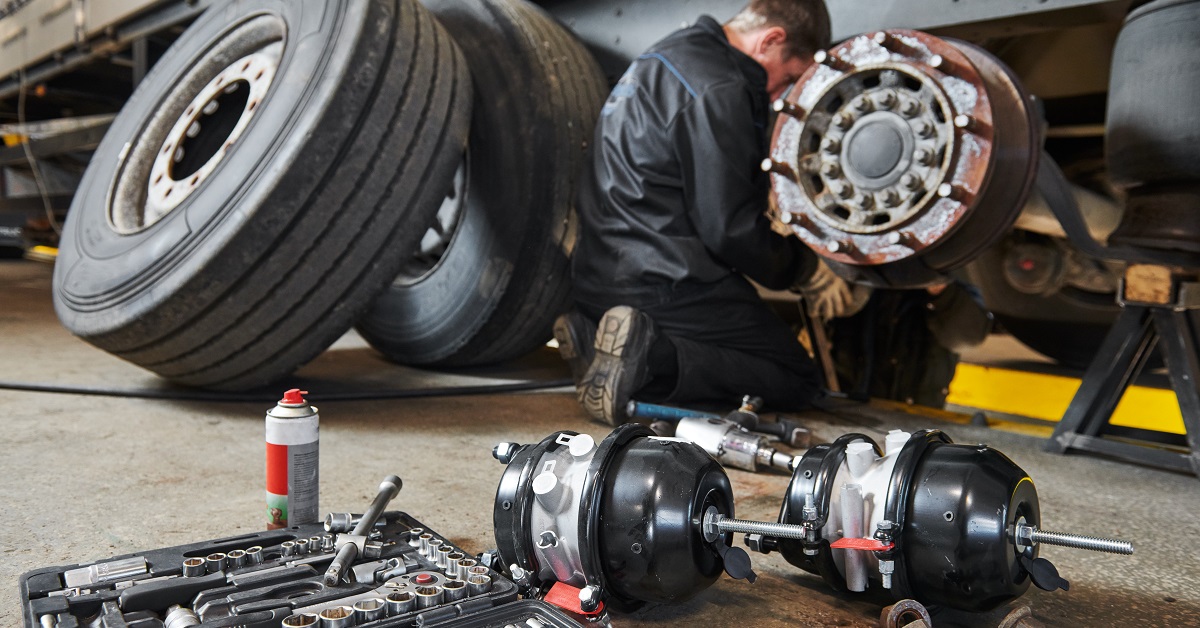
Nct Truck And Trailer Repair generally refers to a professional service provider specializing in heavy-duty commercial vehicles, including:
- Semi-trucks
- Tractor-trailers
- Flatbeds
- Refrigerated trailers
- Box trucks
These facilities handle mechanical, electrical, brake, suspension, and structural repairs to keep commercial vehicles compliant and roadworthy.
For context, heavy-duty trucks play a major role in U.S. freight movement. You can learn more about commercial trucking here: https://en.wikipedia.org/wiki/Trucking_industry_in_the_United_States
What Services Does Nct Truck And Trailer Repair Typically Offer?
Understanding available services helps you determine whether a shop meets your needs.
1. Engine Diagnostics and Repair
- Diesel engine troubleshooting
- Fuel injector replacement
- Turbocharger repair
- Cooling system service
Modern diesel engines rely heavily on electronic control modules (ECMs), making professional diagnostics essential.
2. Brake System Repair
Commercial truck brake systems are more complex than passenger vehicles.
Common services include:
- Air brake inspection
- Brake chamber replacement
- Slack adjuster calibration
- ABS diagnostics
Brake failure is a leading cause of roadside violations, so regular service is critical.
3. Trailer Repair and Structural Work


4
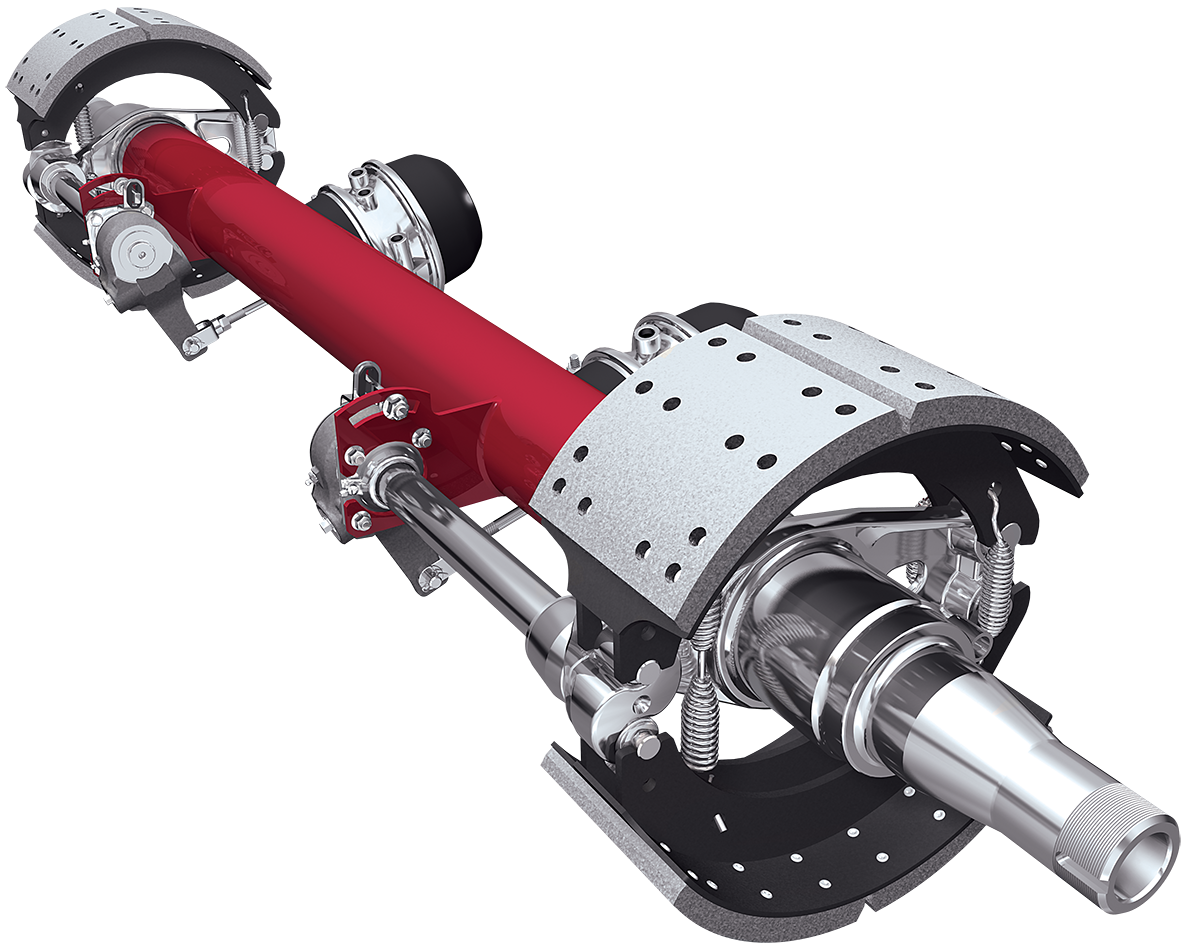
Trailer-specific repairs may include:
- Suspension system replacement
- Axle repairs
- Frame welding
- Floor panel restoration
- Door seal replacement
Structural integrity ensures safe cargo transport and prevents DOT penalties.
4. Preventative Maintenance (PM)
Preventative maintenance reduces breakdowns and extends vehicle lifespan.
Typical PM service checklist:
- Oil and filter replacement
- Air filter inspection
- Tire pressure check
- Brake system test
- Fluid level verification
Many fleets schedule PM every 10,000–25,000 miles depending on usage.
Why Is Regular Truck and Trailer Maintenance So Important?
1. Reduce Downtime
Industry studies estimate that unscheduled downtime can cost $300–$700 per hour for commercial vehicles.
2. Improve Safety
Poorly maintained trucks increase accident risk due to:
- Brake failure
- Tire blowouts
- Steering issues
3. Avoid DOT Violations
Routine inspections reduce the chance of roadside citations.
How Much Does Nct Truck And Trailer Repair Cost?
Costs vary based on service complexity.
Estimated Cost Breakdown
| Service | Average Cost Range |
|---|---|
| Oil Change (Diesel) | $250–$400 |
| Brake Repair | $300–$1,200 |
| Engine Diagnostics | $150–$300 |
| Suspension Repair | $500–$2,000 |
| Major Engine Repair | $3,000+ |
Factors affecting price:
- Labor rates
- Parts availability
- Vehicle age
- Emergency vs scheduled repair
Always request a written estimate before authorizing repairs.
How to Choose a Reliable Nct Truck And Trailer Repair Shop
Selecting the right repair partner protects your investment.
Look For:
- Certified diesel technicians
- Modern diagnostic equipment
- Transparent pricing
- Warranty on parts and labor
- Positive fleet references
Questions to Ask:
- Do you provide 24/7 roadside service?
- What is your average turnaround time?
- Do you stock common heavy-duty parts?
- Are your technicians ASE-certified?
Step-by-Step: What Happens During a Typical Repair Visit?
Understanding the process reduces stress.
Step 1: Initial Inspection
Technician conducts visual and electronic diagnostics.
Step 2: Written Estimate
Breakdown of labor hours and parts cost provided.
Step 3: Repair Authorization
Customer approves repair plan.
Step 4: Parts Replacement or Repair
Technicians complete service using calibrated tools.
Step 5: Final Testing
Vehicle undergoes:
- Road test
- Brake system verification
- Leak inspection
Pros and Cons of Professional Truck Repair Services
✔ Advantages
- Expert diagnostics
- Compliance with regulations
- Warranty coverage
- Reduced breakdown risk
✖ Disadvantages
- Higher upfront repair costs
- Scheduling delays during busy seasons
- Dependence on parts availability
How Often Should Trucks and Trailers Be Serviced?
General guideline:
- Oil change: Every 15,000–25,000 miles
- Brake inspection: Every 10,000–20,000 miles
- Full PM inspection: Quarterly for active fleets
High-mileage fleets may require more frequent servicing.
Signs Your Truck or Trailer Needs Immediate Repair
Watch for:
- Unusual engine noise
- Decreased fuel efficiency
- Brake air pressure warnings
- Uneven tire wear
- Fluid leaks
Ignoring these signs can lead to major breakdowns.
FAQ: Nct Truck And Trailer Repair
1. Does Nct Truck And Trailer Repair offer roadside service?
Many commercial repair providers offer emergency roadside assistance. Confirm availability before relying on it.
2. How long does a typical truck repair take?
Minor services may take 2–4 hours, while major engine repairs could take several days.
3. Are trailer repairs different from truck repairs?
Yes. Trailer repairs focus on structural components, axles, suspension, and brake systems rather than engines.
4. Can preventative maintenance reduce long-term costs?
Absolutely. Routine inspections and early repairs often prevent expensive breakdowns.
5. What certifications should a truck repair shop have?
Look for ASE certifications and compliance with state and federal safety standards.
6. Is it better to use a dealership or independent repair shop?
Dealerships may specialize in specific brands, while independent shops often provide more flexible pricing.
Final Thoughts
Reliable Nct Truck And Trailer Repair services are essential for keeping commercial vehicles safe, compliant, and profitable. Regular maintenance reduces downtime, protects your drivers, and ensures consistent freight delivery.
Whether you operate a single truck or manage an entire fleet, investing in professional repair and preventative maintenance pays off in the long run.
If this guide helped you, consider sharing it with fellow drivers or fleet managers to support safer and more efficient operations.
Leave a Reply