
If you’re searching for a Nylint Towing And Recovery Truck, chances are you’re either a collector, a nostalgic enthusiast, or a parent looking for a classic toy that lasts. Nylint trucks are more than toys—they’re pieces of American manufacturing history. This guide explains what makes these trucks special, how to identify valuable models, and how to buy or restore one with confidence.
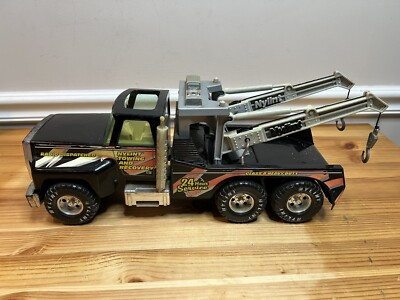
What Is a Nylint Towing And Recovery Truck?
A Nylint Towing And Recovery Truck is a pressed-steel toy vehicle produced by Nylint, a legendary U.S. toy maker best known for durable, realistic trucks.
Read too: Top Trucking Companies That Still Have Manual Transmissions
These trucks typically feature:
- Heavy pressed-steel construction
- Working tow booms or recovery arms
- Real rubber tires on steel wheels
- Bright lithographed or painted finishes
Unlike modern plastic toys, Nylint trucks were built to survive real play—and many did.
Why Are Nylint Towing And Recovery Trucks So Popular? (H2)
The appeal goes far beyond looks.
Key reasons collectors love them
- Durability: Pressed steel resists cracking and warping
- Realism: Designed to resemble real tow and recovery trucks
- Nostalgia: Commonly owned by Baby Boomers and Gen X
- Collectibility: Finite supply increases long-term value
Vintage toy experts estimate that pressed-steel trucks account for a large share of the U.S. collectible toy market, with Nylint among the most recognized names.
A Brief History of Nylint Trucks
Nylint began producing toys in the mid-20th century, focusing on realistic vehicles that mirrored real-world machinery. Tow and recovery trucks became especially popular as America’s highway system expanded and heavy-duty trucks became part of daily life.
Over the decades, Nylint released:
- Wrecker trucks
- Tow trucks
- Fire and utility trucks
- Construction vehicles
The towing and recovery models stood out because of their working mechanical features, which made them interactive long before electronics were common.
Common Types of Nylint Towing And Recovery Trucks
Wrecker-Style Recovery Trucks
- Rotating or fixed boom
- Winch-style hook
- Often brightly colored
Flatbed Tow Trucks
- Tilting or fixed beds
- Simpler mechanisms
- Less common, often more collectible
Utility & Heavy Recovery Variants
- Larger scale
- Heavier steel construction
- Often used as display pieces
Materials & Build Quality Explained
One of the defining features of a Nylint Towing And Recovery Truck is its build quality.
Pressed Steel Construction
- Thick stamped steel panels
- Riveted or folded joints
- Resistant to breakage
Paint & Graphics
- Early models: lithographed steel
- Later models: painted finishes
- Original paint significantly increases value
Wheels & Tires
- Steel wheels
- Real rubber tires (often replaceable)
How to Identify an Original Nylint Towing And Recovery Truck
Step 1: Look for Markings
Most originals include:
- “NYLINT” stamped into the steel
- “Made in USA” marking
Step 2: Check the Weight
Authentic Nylint trucks feel heavy compared to reproductions.
Step 3: Inspect Construction
- Riveted joints (not glued)
- Steel body throughout
Step 4: Examine Wear Patterns
Natural aging shows:
- Paint wear on edges
- Light surface rust underneath
Nylint vs Other Vintage Toy Truck Brands
| Brand | Material | Durability | Collector Value |
|—|—|—|
| Nylint | Pressed steel | Very high | High |
| Tonka | Pressed steel | Very high | High |
| Buddy L | Pressed steel | High | Very high |
| Modern toys | Plastic | Low | Low |
Nylint sits comfortably among the top-tier vintage toy truck brands.
What Is a Nylint Towing And Recovery Truck Worth?
Values depend heavily on condition and rarity.
Typical price ranges (USD)
- Played-with condition: $40 – $100
- Good original condition: $150 – $300
- Near-mint or boxed: $400+
Rare colorways or uncommon recovery configurations can exceed these ranges.
Condition Grading: Why It Matters
Collectors generally use these categories:
- Mint: Like new, often boxed
- Excellent: Minimal wear, original paint
- Good: Visible wear but intact
- Fair: Rust, missing parts
- Poor: Heavily damaged
👉 Original paint almost always beats a repaint in collector value.
Restoration: Should You Restore or Preserve?
This is a common question with Nylint Towing And Recovery Truck collectibles.
Preserve if:
- Original paint is mostly intact
- Decals are present
- Rust is minimal
Restore if:
- Structural damage exists
- Paint is mostly gone
- Intended for display, not resale
Basic Restoration Steps (Beginner-Friendly)
⚠️ Note: Restoration can reduce value if done improperly.
Step 1: Gentle Cleaning
- Warm water
- Mild soap
- Soft brush
Step 2: Rust Control
- Light rust removal only
- Avoid grinding original metal
Step 3: Part Replacement
- Rubber tires are commonly replaced
- Keep original parts when possible
Step 4: Optional Repaint
- Only if originality is already lost
Where to Buy a Nylint Towing And Recovery Truck
Popular sources include:
- Antique toy shows
- Estate sales
- Specialized vintage toy dealers
- Online marketplaces
Tip: Always ask for detailed photos of the underside and markings.
Common Mistakes Buyers Make
- Confusing reproductions with originals
- Overpaying for repainted trucks
- Ignoring missing parts
- Assuming “rust-free” means “original”
Education protects your investment.
Displaying Your Nylint Truck Safely
Best practices
- Avoid direct sunlight
- Keep humidity low
- Use padded shelves
- Rotate display periodically
Steel toys can last decades longer with proper care.
Are Nylint Towing And Recovery Trucks Good Investments?
While no collectible is guaranteed, Nylint trucks have:
- Consistent demand
- Limited supply
- Strong nostalgia value
Many collectors see steady appreciation, especially for well-preserved examples.
Educational & Historical Value
Beyond collecting, these trucks teach:
- American industrial history
- Manufacturing evolution
- Mechanical design principles
For background on toy manufacturing and materials, see Wikipedia:
👉 https://en.wikipedia.org/wiki/Toy
Advantages and Disadvantages at a Glance
✅ Advantages
- Extremely durable
- High nostalgia value
- Strong collector market
- Made in the USA
❌ Disadvantages
- Heavy (not ideal for small children today)
- Prone to rust if poorly stored
- Reproductions can confuse buyers
FAQ: Nylint Towing And Recovery Truck
Are Nylint towing trucks still made?
Answer: No, original pressed-steel models are no longer produced.
How can I tell if mine is original?
Answer: Look for stamped markings, steel construction, and natural wear.
Is repainting a bad idea?
Answer: For collectors, yes—original paint is more valuable.
Are these trucks safe for kids today?
Answer: They’re better suited for display or supervised play due to weight.
Do boxed Nylint trucks matter?
Answer: Yes, original boxes can significantly increase value.
Conclusion
A Nylint Towing And Recovery Truck is more than a toy—it’s a durable piece of American history, a nostalgic collectible, and a conversation-worthy display item. Whether you’re buying your first one or adding to a growing collection, understanding authenticity, condition, and value helps you make a confident decision.
🚛 Found this guide useful?
Share it on social media to help other collectors and enthusiasts discover the lasting appeal of Nylint towing and recovery trucks.
Leave a Reply