
Breaking into heavy haul trucking can feel intimidating, especially for independent drivers looking to scale their income. Owner Operator Heavy Haul Trucking Companies offer a unique path for experienced truckers who want higher-paying freight and more control over their business. This guide explains how these companies work, what they require, and whether heavy haul is the right move for you.
What Are Owner Operator Heavy Haul Trucking Companies?
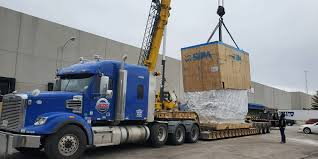
Owner Operator Heavy Haul Trucking Companies are carriers that specialize in transporting oversized, overweight, or super-load freight while partnering with independent owner-operators rather than company drivers.
Read too: Top Trucking Companies That Still Have Manual Transmissions
Instead of owning the trucks, these companies:
- Contract with owner-operators
- Provide freight, permits, and dispatch
- Offer compliance and logistical support
Owner-operators supply the truck, trailer, and expertise, while the carrier handles the backend operations.
What Is Considered Heavy Haul Trucking?
Heavy haul trucking involves loads that exceed standard legal limits.
Typical heavy haul thresholds (varies by state)
- Weight: Over 80,000 lbs gross vehicle weight
- Width: Over 8 ft 6 in
- Height: Over 13 ft 6 in
- Length: Over 53 ft
These loads require special routing, permits, and sometimes escort vehicles.
Why Do Owner-Operators Choose Heavy Haul Companies?
This is one of the most common “People Also Ask” questions.
Key reasons drivers move into heavy haul
- Higher revenue per load
- Less competition than dry van or reefer
- Specialized skill premium
- Long-term project-based contracts
Industry data shows heavy haul owner-operators often earn 30–60% more per load than standard freight drivers—when managed correctly.
How Owner Operator Heavy Haul Trucking Companies Work
Simple breakdown
- The carrier secures heavy haul freight
- Permits and route planning are arranged
- The owner-operator hauls the load
- Revenue is split per contract terms
Most companies operate on percentage-based pay, not mileage.
Pay Structure: How Much Do Heavy Haul Owner-Operators Make?
Common compensation models
- 70%–85% of load revenue to the owner-operator
- Fuel surcharge paid separately
- Detention and escort pay often passed through
Realistic income range (annual)
| Experience Level | Estimated Gross |
|---|---|
| Entry heavy haul | $180,000 – $250,000 |
| Experienced | $250,000 – $400,000+ |
⚠️ Gross revenue is not net profit. Equipment, permits, insurance, and maintenance are significant.
Equipment Requirements for Heavy Haul Owner-Operators
Truck requirements
- Heavy-duty tractors (often 500–600+ HP)
- Reinforced frames
- Heavy axles
Trailer types commonly required
- Lowboy / double drop
- RGN (Removable Gooseneck)
- Step deck
- Extendable trailers
Many companies require owner-operators to already own approved heavy haul equipment.
Insurance and Compliance Requirements
Heavy haul carriers have stricter standards.
Typical requirements
- Higher cargo insurance limits
- Specialized heavy haul liability coverage
- Clean safety record
- Experience verification
Heavy haul operations must comply with federal and state regulations governing oversized transport, which are part of broader commercial vehicle laws explained here:
https://en.wikipedia.org/wiki/Commercial_vehicle
Experience Needed to Join Heavy Haul Companies
Most companies do not accept new CDL holders.
Common minimums
- 2–5 years OTR experience
- Prior heavy haul or specialized freight preferred
- Clean CSA and MVR
- Permit and load securement knowledge
Some carriers offer mentorship programs, but these are limited.
Pros and Cons of Owner Operator Heavy Haul Trucking Companies
Advantages
- High revenue potential
- Less rate volatility
- Specialized niche protection
- Long-term contracts
Disadvantages
- High startup cost
- Expensive equipment
- Complex regulations
- Increased liability
Startup Costs: What to Expect
Heavy haul is capital-intensive.
Typical startup expenses
- Tractor: $80,000–$150,000
- Trailer: $60,000–$120,000
- Insurance down payment: $10,000–$25,000
- Permits & compliance: $5,000+
💡 Many successful owner-operators enter heavy haul gradually after years in standard freight.
How to Choose the Right Heavy Haul Company
Not all companies treat owner-operators equally.
What to look for
- Transparent pay structure
- Permit handling included
- Escort coordination support
- Strong safety reputation
- Consistent freight lanes
Red flags
- Vague rate sheets
- Owner-operator pays for all permits
- Poor communication
- Unclear liability policies
Step-by-Step: How to Get Started in Heavy Haul as an Owner-Operator
Step 1: Build experience
Gain flatbed or step-deck experience first.
Step 2: Invest in proper equipment
Start with versatile trailers before specializing.
Step 3: Upgrade insurance
Confirm coverage meets heavy haul requirements.
Step 4: Apply to multiple carriers
Compare percentages, freight volume, and support.
Step 5: Start with lighter oversized loads
Gradually move into heavier and more complex freight.
Heavy Haul vs Standard Owner-Operator Trucking
| Factor | Standard OTR | Heavy Haul |
|---|---|---|
| Pay per load | Lower | Much higher |
| Equipment cost | Moderate | High |
| Regulations | Standard | Complex |
| Competition | High | Lower |
| Skill required | Moderate | Advanced |
Real-World Case Study
Profile:
Owner-operator with 8 years flatbed experience.
Transition:
Upgraded to RGN trailer and joined a heavy haul carrier.
Results:
- Grossed $320,000 in year one
- Higher downtime but better margins
- More predictable project-based freight
Common Mistakes New Heavy Haul Owner-Operators Make
❌ Underestimating permit complexity
Solution: Work with carriers that manage routing and permits.
❌ Buying the wrong trailer
Solution: Match equipment to freight lanes.
❌ Ignoring cash flow
Solution: Maintain strong reserves for repairs and escorts.
Is Heavy Haul Worth It for Owner-Operators?
For the right driver, yes.
Heavy haul is ideal if you:
- Have strong mechanical knowledge
- Enjoy complex logistics
- Want higher earnings over fewer loads
- Can manage business risk
It’s not ideal if you prefer simple drop-and-hook operations.
FAQ: Owner Operator Heavy Haul Trucking Companies
Do heavy haul companies hire first-time owner-operators?
Rarely. Most require prior specialized or flatbed experience.
Do I need my own trailer?
Usually yes, especially for RGNs and lowboys.
Is heavy haul seasonal?
Some sectors are seasonal, but infrastructure and energy projects provide year-round work.
Are permits included in pay?
It depends on the carrier. Always confirm before signing on.
Can heavy haul improve long-term income?
Yes. Many owner-operators see significantly higher lifetime earnings compared to standard freight.
Conclusion
Owner Operator Heavy Haul Trucking Companies offer one of the most profitable paths in trucking—but only for drivers prepared for the complexity and investment. With the right experience, equipment, and carrier partnership, heavy haul can transform your trucking business into a high-revenue, specialized operation.
👉 If this guide helped you, share it with other owner-operators considering the move into heavy haul. The right information can save years of trial and error.
Leave a Reply