
Truck operators often face frustration with speed limits imposed by fleet companies. The Penske Truck Speed Governor Removal topic comes up frequently among drivers who want better performance, fuel efficiency, or faster deliveries. While removing or adjusting a speed governor can have benefits, it also comes with legal and mechanical considerations. This guide explains what a speed governor is, how it works, the pros and cons of removal, and important safety and compliance information.
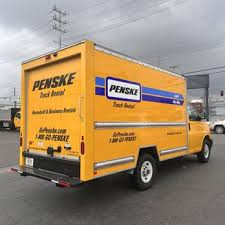
What Is a Speed Governor on a Truck?
A speed governor is a device installed in many commercial trucks to limit the vehicle’s top speed, typically between 65–70 mph for Penske trucks. It is designed to:
- Improve safety on highways
- Reduce wear and tear on the engine and transmission
- Enhance fuel efficiency
- Comply with federal and fleet regulations
Read too: Top Trucking Companies That Still Have Manual Transmissions
How It Works
The speed governor monitors vehicle speed using sensors in the transmission or engine control module (ECM). Once the preset limit is reached, the governor reduces fuel injection or cuts throttle response, preventing the truck from exceeding the speed cap.
Why Drivers Consider Speed Governor Removal
Many drivers and fleet operators consider removal for:
- Increased Top Speed – Essential for certain long-haul deliveries on open highways
- Improved Acceleration – More responsive throttle for heavy loads
- Fuel Efficiency – In some cases, smoother acceleration improves mileage
- Operational Flexibility – Ability to adjust speeds to traffic conditions
Note: Removal is not universally legal; always check state laws and fleet contracts before proceeding.
Legal and Safety Considerations
Before performing Penske Truck Speed Governor Removal, it’s crucial to understand:
| Consideration | Details |
|---|---|
| Federal Law | Speed governors on commercial trucks over 26,000 lbs are mandatory under FMCSA guidelines in some cases. |
| Insurance | Modifying the governor may void insurance coverage for accidents or damages. |
| Warranty | Altering the ECM or throttle may void vehicle warranty. |
| Liability | Operator could be personally liable for speeding violations. |
Key takeaway: Legal compliance should be prioritized to avoid fines or liability.
Methods of Speed Governor Removal
There are several approaches depending on truck model and equipment:
1. ECM Reprogramming
- The most common method for modern Penske trucks
- Uses specialized diagnostic software to adjust or remove speed limits
- Must be performed by a certified technician
2. Throttle Control Adjustment
- Involves modifying the electronic throttle control
- Less invasive than full ECM reprogramming
- Provides limited flexibility on maximum speed
3. Physical Bypass Modules
- Older trucks may have mechanical governors that can be bypassed
- Requires professional installation to avoid engine damage
⚠️ Warning: Improper removal can lead to engine failure, increased fuel consumption, or unsafe operation.
Step-by-Step Example: ECM-Based Speed Governor Adjustment
This is an informational overview; always consult a professional technician.
- Connect the truck to a diagnostic interface compatible with Penske ECM.
- Backup all vehicle software and configuration data.
- Access the speed limit parameters in the ECM menu.
- Adjust or remove the top speed setting.
- Save changes and run a test drive in a controlled environment.
- Monitor for error codes or warning lights on the dashboard.
Pros and Cons of Removing a Speed Governor
| Pros | Cons |
|---|---|
| Higher top speed | Legal penalties if non-compliant |
| Faster acceleration | Increased risk of accidents |
| Potential fuel efficiency improvement | Possible voided warranty |
| Greater operational flexibility | Insurance issues |
| Reduced frustration for drivers | Increased engine wear |
Safety should always outweigh performance benefits.
Alternatives to Speed Governor Removal
- Fleet Approval for Adjusted Limits – Some companies allow higher limits under controlled circumstances.
- Route Planning – Avoid congested areas to maintain efficiency without speeding.
- Driver Training – Efficient driving techniques can improve fuel economy without removing governors.
Expert Tips
- Consult with fleet management before modifying any vehicle
- Use a professional ECM tuning service
- Track vehicle diagnostics after any adjustment
- Avoid exceeding manufacturer-recommended RPM and load limits
According to the National Highway Traffic Safety Administration, speed-related accidents are a leading cause of commercial vehicle crashes. Safety must be the priority.
External Resource
For more information on commercial vehicle regulations:
Wikipedia – Speed Limiter: https://en.wikipedia.org/wiki/Speed_limiter
FAQ – Penske Truck Speed Governor Removal (H2)
Is it legal to remove a Penske truck speed governor?
It depends on state and federal regulations, as well as fleet agreements. Always check before proceeding.
Will removal affect the truck warranty?
Yes, modifying the ECM or throttle control may void manufacturer warranty.
Can removing the governor increase fuel efficiency?
Potentially, if it allows smoother acceleration, but it may also increase fuel consumption at high speeds.
Who should perform the governor removal?
A certified technician or professional ECM tuning service is recommended to prevent damage.
Are there risks to engine and transmission?
Yes, removing or bypassing the governor increases engine stress and wear on transmission components.
Are there safer alternatives to removal?
Yes, optimizing routes, using fleet-approved adjustments, and driver training can improve efficiency without removing the governor.
Conclusion
The Penske Truck Speed Governor Removal topic is complex, balancing performance benefits against legal, safety, and warranty concerns. While adjusting or removing speed governors can improve flexibility and acceleration, it must be done legally and professionally to avoid fines, accidents, or engine damage.
👉 Share this guide with other drivers or fleet managers to help them make informed decisions about truck performance and compliance.
Leave a Reply