
If you transport water regularly, you’ve likely faced issues with leaks, corrosion, or heavy steel tanks. That’s why more drivers are choosing Plastic Water Tanks for Trucks as a lightweight, durable, and cost-effective solution. Whether you’re hauling water for construction, agriculture, emergency response, or mobile services, the right tank can save time, money, and stress.
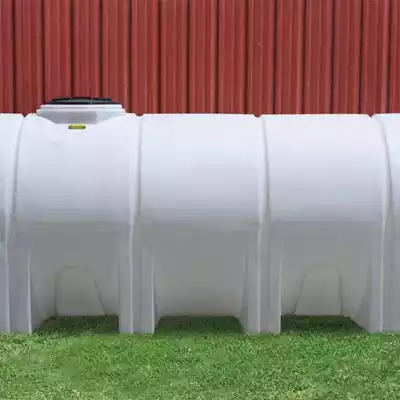
What Are Plastic Water Tanks for Trucks?
Plastic Water Tanks for Trucks are storage containers made primarily from high-density polyethylene (HDPE) or similar food-grade plastics. They are designed to safely transport water on pickup trucks, flatbeds, box trucks, and service vehicles.
Unlike metal tanks, plastic tanks resist rust, chemical reactions, and cracking caused by temperature changes. According to logistics industry data, plastic tanks are up to 60% lighter than steel tanks, improving fuel efficiency and payload capacity.
Read too: Top Trucking Companies That Still Have Manual Transmissions
Why Choose Plastic Water Tanks for Trucks Instead of Metal?
This is one of the most common “People Also Ask” questions—and for good reason.
Key Advantages of Plastic Water Tanks
- Lightweight: Easier to install and reduces vehicle strain
- Corrosion-resistant: No rust or metal degradation
- Cost-effective: Lower upfront and maintenance costs
- UV-stabilized: Suitable for outdoor and long-term use
- Food-grade options available: Safe for potable water
Potential Limitations
- Less heat-resistant than steel
- Requires proper mounting to avoid movement
- Can deform if exposed to extreme heat without support
👉 For most applications, the benefits significantly outweigh the drawbacks.
What Types of Plastic Water Tanks Are Available for Trucks?
Choosing the right type depends on your use case and truck configuration.
1. Rectangular Plastic Water Tanks
- Ideal for flatbeds and pickup trucks
- Maximize space efficiency
- Easy to strap and secure
2. Cylindrical (Round) Water Tanks
- Better pressure distribution
- Common in agriculture and water delivery
- Often used with pumps
3. Low-Profile Water Tanks
- Designed to sit below bed rails
- Improved vehicle stability
- Popular for service trucks
4. Specialized Utility Tanks
- Integrated compartments
- Custom fittings for hoses and pumps
- Used by contractors and mobile wash services
What Sizes Do Plastic Water Tanks for Trucks Come In?
Plastic tanks are available in a wide range of capacities.
Common Tank Capacities
- 50–100 gallons: light service and mobile washing
- 150–300 gallons: landscaping and construction
- 500+ gallons: agriculture and bulk transport
📊 Industry insight: Most pickup trucks safely carry 100–300 gallons depending on suspension and payload limits.
How Much Weight Can a Truck Safely Carry With a Water Tank?
Water is heavy—8.34 pounds per gallon.
Weight Example
- 200 gallons × 8.34 lbs = 1,668 lbs of water
- Plus tank weight (~40–80 lbs)
⚠️ Always check your truck’s Gross Vehicle Weight Rating (GVWR) before selecting a tank.
Are Plastic Water Tanks Safe for Drinking Water?
Yes—if they are certified.
What to Look For
- Food-grade or NSF-approved plastic
- BPA-free materials
- Clearly labeled “potable water safe”
Plastics like HDPE are widely used for potable water storage due to their chemical stability, as explained in general material science references on Wikipedia.org.
How Durable Are Plastic Water Tanks for Trucks?
Modern plastic tanks are engineered for tough conditions.
Durability Features
- UV inhibitors to prevent sun damage
- Thick, rotationally molded walls
- Impact resistance during transport
💬 Industry Expert Quote:
“High-quality polyethylene tanks can last over 15 years with proper installation and maintenance.”
— Fleet Equipment Specialist, US Logistics Sector
How to Install Plastic Water Tanks on a Truck (Step-by-Step)
Proper installation is critical for safety and longevity.
Step 1: Measure Your Truck Bed
- Length, width, and height
- Clearance for hoses and fittings
Step 2: Choose a Mounting Method
- Ratchet straps (temporary use)
- Metal brackets (permanent installations)
- Rubber mats to reduce vibration
Step 3: Secure the Tank
- Minimum 2–4 heavy-duty straps
- Ensure zero movement during braking
Step 4: Install Plumbing
- Use food-grade hoses if potable
- Tighten fittings hand-tight + ¼ turn
⏱ Installation time: 30–60 minutes
Common Uses of Plastic Water Tanks for Trucks
Plastic water tanks are used across many industries:
- Construction (dust control)
- Landscaping and irrigation
- Agriculture and livestock watering
- Mobile car wash services
- Emergency and disaster response
🚚 Case example: Mobile wash businesses report 30–40% lower operating costs after switching from steel to plastic tanks.
Plastic Water Tanks: Pros vs Cons
Pros
✔ Lightweight
✔ Rust-free
✔ Affordable
✔ Easy to customize
Cons
✖ Lower heat tolerance
✖ Needs proper securing
✖ Can fade if low-quality plastic
How to Maintain Plastic Water Tanks for Trucks
Maintenance is simple but important.
Basic Care Tips
- Rinse tank every 2–4 weeks
- Use mild detergent for cleaning
- Avoid harsh chemicals
- Inspect for cracks annually
🧼 For potable water tanks, sanitize with 1 tablespoon of unscented bleach per gallon of water, then rinse thoroughly.
What Should You Check Before Buying a Plastic Water Tank?
Buying Checklist
- ✔ Capacity fits your payload
- ✔ Food-grade certification (if needed)
- ✔ UV-stabilized material
- ✔ Proper outlet placement
- ✔ Warranty and manufacturer support
FAQ – Plastic Water Tanks for Trucks
Are plastic water tanks legal for road use?
Yes, when properly secured and within weight limits.
Can plastic tanks crack in winter?
High-quality tanks resist cracking, but avoid freezing full tanks.
Do plastic water tanks affect fuel efficiency?
Yes—in a positive way. They are lighter than steel tanks.
How long do plastic truck water tanks last?
Typically 10–20 years with proper care.
Can I transport chemicals in plastic water tanks?
Only if the tank is rated for chemical use—check manufacturer specs.
Conclusion
Plastic Water Tanks for Trucks offer a smart, reliable solution for water transport across industries. They are lightweight, durable, cost-effective, and easy to maintain—making them ideal for both professionals and small business owners. With the right size, proper installation, and basic care, a plastic water tank can serve you for years without hassle.
👉 If this guide helped you, share it on social media to help others choose the right truck water tank with confidence.
Leave a Reply