
Road spray, flying debris, and harsh weather can quickly damage your trailer, lights, and suspension. That’s why many drivers and fleet owners choose Poly Half Fenders for Semi Trucks as a reliable, low-maintenance solution. In this guide, you’ll learn what poly half fenders are, why they’re popular, and how to choose and install the right set for your truck.
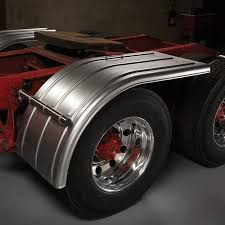
What Are Poly Half Fenders for Semi Trucks?
Poly Half Fenders for Semi Trucks are lightweight, durable fenders made from high-density polyethylene (HDPE) or similar polymer materials. They are mounted above the drive tires to reduce water spray, mud, rocks, and road debris.
Read too: Top Trucking Companies That Still Have Manual Transmissions
Unlike full fenders, half fenders:
- Cover only the top portion of the tire
- Are easier to install and remove
- Reduce overall vehicle weight
They are especially common on long-haul and regional semi trucks where durability and weight savings matter.
Why Poly Material Is So Popular for Half Fenders
Polymer-based fenders have largely replaced metal options in many fleets.
Key Advantages of Poly Material
- Extremely impact-resistant
- Does not rust or corrode
- Lighter than steel or aluminum
- Flexible in cold and hot temperatures
According to trucking maintenance studies, poly fenders can last 2–3 times longer than traditional steel fenders under similar operating conditions.
How Poly Half Fenders Protect Your Semi Truck
Half fenders serve more than a cosmetic purpose.
Primary Functions
- Deflect water spray for safer driving
- Protect airlines, wiring, and suspension
- Reduce damage to trailers and following vehicles
- Help meet splash and spray regulations
In wet conditions, properly installed fenders can reduce rear tire spray by up to 60%, improving visibility for vehicles behind you.
Poly Half Fenders vs Other Fender Types
Comparison Table
| Feature | Poly Half Fenders | Aluminum Fenders | Steel Fenders |
|---|---|---|---|
| Weight | Very light | Medium | Heavy |
| Rust Resistance | Excellent | Good | Poor |
| Flexibility | High | Low | Very low |
| Maintenance | Minimal | Moderate | High |
| Cost | Moderate | Higher | Lower upfront |
Bottom line: Poly half fenders offer the best balance of durability, weight, and long-term value.
Are Poly Half Fenders Legal on Semi Trucks?
Yes. Poly Half Fenders for Semi Trucks are legal in all U.S. states when installed correctly and used with proper mudflaps where required.
Most regulations focus on:
- Spray suppression
- Coverage area
- Secure mounting
Always verify local DOT requirements, especially for interstate operations.
Who Should Use Poly Half Fenders?
These fenders are ideal for:
- Owner-operators
- Long-haul drivers
- Regional freight trucks
- Fleet vehicles focused on uptime
They are particularly useful for trucks operating in:
- Rain-heavy regions
- Construction zones
- Gravel or poorly maintained roads
Common Sizes and Fitment Options
Poly half fenders come in multiple configurations.
Typical Specifications
- Width: 24–30 inches
- Radius: Designed for standard semi tires
- Thickness: Heavy-duty poly for impact resistance
Most kits are designed to fit tandem axle drive configurations, but single-axle options are also available.
How to Choose the Right Poly Half Fenders
When shopping for Poly Half Fenders for Semi Trucks, consider the following:
Key Buying Criteria
- Tire size and axle spacing
- Mounting bracket compatibility
- Fender thickness and flexibility
- Warranty and material grade
💡 Expert tip: Thicker poly fenders handle vibration better and crack less over time.
Step-by-Step: How to Install Poly Half Fenders
Installing poly half fenders is a straightforward process.
Tools Needed
- Socket set
- Torque wrench
- Measuring tape
- Drill (if required)
Installation Steps
- Position the Fender
Align the fender above the drive tires with equal clearance. - Measure Clearance
Ensure at least 2–3 inches between tire and fender. - Attach Mounting Brackets
Secure brackets to frame or cross members. - Bolt Fender in Place
Tighten evenly to manufacturer torque specs. - Check Alignment
Spin tires and verify no contact.
⏱️ Installation Time: Approximately 45–90 minutes.
Maintenance Tips for Poly Half Fenders
One reason drivers love poly fenders is their low maintenance.
Best Practices
- Inspect mounting bolts every 3–6 months
- Wash with mild soap and water
- Check for cracks after heavy impacts
Unlike metal fenders, poly does not require painting or rust prevention.
Cost Breakdown: Are Poly Half Fenders Worth It?
Typical Price Range
- $200–$500 per set (depending on brand and thickness)
While the upfront cost may be higher than steel, long-term savings often outweigh the difference due to:
- Fewer replacements
- Reduced downtime
- Lower maintenance costs
Fleet case studies show poly fenders can reduce fender-related repairs by up to 40% annually.
Common Mistakes to Avoid
- ❌ Choosing the wrong size
- ❌ Overtightening bolts (causes stress cracks)
- ❌ Skipping regular inspections
- ❌ Installing without proper brackets
Proper installation is key to long-term performance.
Environmental & Durability Benefits
Poly materials are:
- Resistant to chemicals and road salt
- Long-lasting, reducing waste
- Often recyclable at end of life
For general background on fender design and vehicle protection, see:
👉 https://en.wikipedia.org/wiki/Fender_(vehicle)
FAQ: Poly Half Fenders for Semi Trucks
Are poly half fenders better than metal?
In most cases, yes. They are lighter, more flexible, and rust-free.
Do poly half fenders crack in cold weather?
High-quality poly remains flexible even in extreme cold.
Can I install poly half fenders myself?
Yes. Most drivers can complete installation with basic tools.
Do poly half fenders fit all semi trucks?
They fit most standard setups, but measurements are important.
How long do poly half fenders last?
With proper installation, 5–10 years is common.
Conclusion
Poly Half Fenders for Semi Trucks are a smart investment for drivers who want durability, weight savings, and minimal maintenance. They protect critical components, improve safety, and hold up better than metal alternatives in real-world conditions.
If this guide helped you understand your options, share it on social media so other truck owners and fleet managers can make informed decisions and keep their rigs protected on every mile of the road. 🚛
Leave a Reply