
Choosing the right water tank is critical for fire departments, especially when every second and every gallon matters. Many departments today are turning to Poly Tanks for Fire Trucks because they offer durability, corrosion resistance, and long-term value. This guide explains how poly tanks work, why they are popular, and how to choose the right one for your fire apparatus.
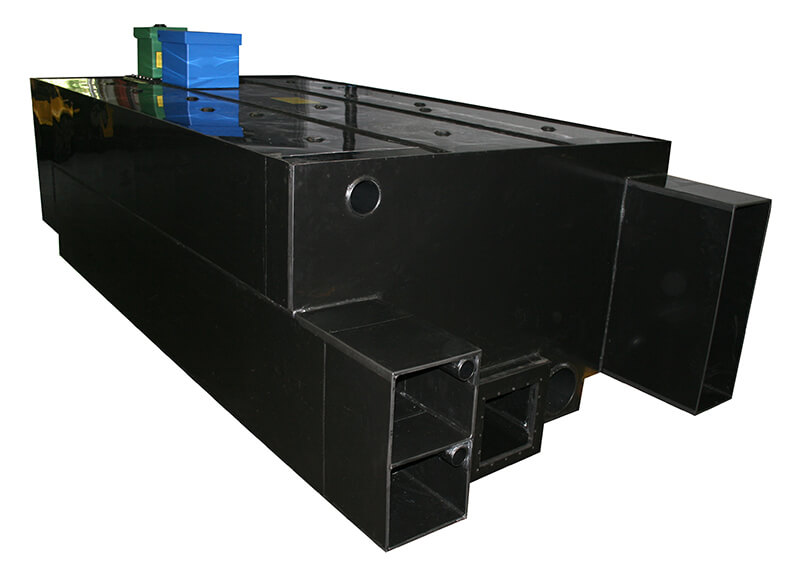
What Are Poly Tanks for Fire Trucks?
Poly Tanks for Fire Trucks are water storage tanks made from high-density polyethylene (HDPE). Unlike traditional steel or aluminum tanks, poly tanks are molded as a single piece.
Read too: Top Trucking Companies That Still Have Manual Transmissions
Key Characteristics:
- Seamless, one-piece construction
- Lightweight yet impact-resistant
- Resistant to corrosion and chemicals
- Designed specifically for emergency vehicles
These tanks are commonly used in:
- Fire engines
- Brush trucks
- Tankers and tenders
- Wildland firefighting vehicles
Why Do Fire Departments Use Poly Tanks?
Fire departments prioritize reliability, safety, and lifespan.
Main Reasons Poly Tanks Are Preferred:
- No rust or corrosion, even after years of use
- Reduced maintenance costs
- Lighter weight, allowing better vehicle balance
- Long service life, often exceeding 20 years
According to industry estimates, departments switching to poly tanks reduce long-term tank-related maintenance costs by 30–40%.
How Poly Tanks Compare to Steel and Aluminum Tanks
Comparison Table: Poly vs Metal Tanks
| Feature | Poly Tanks | Steel Tanks | Aluminum Tanks |
|---|---|---|---|
| Corrosion Resistance | Excellent | Poor | Moderate |
| Weight | Lightweight | Heavy | Medium |
| Maintenance | Low | High | Medium |
| Lifespan | 20+ years | 10–15 years | 15–20 years |
| Cost Over Time | Lower | Higher | Medium |
This comparison explains why Poly Tanks for Fire Trucks are now standard in many modern builds.
Are Poly Tanks Safe for Firefighting Operations?
Yes. Poly tanks are engineered to meet strict safety standards.
Safety Advantages:
- Impact resistance during collisions
- Flexible material absorbs vibration
- Seamless design reduces leak risk
Fire apparatus engineers often recommend poly tanks for wildland and rural departments, where terrain is rough and water access is limited.
What Sizes Are Available for Poly Fire Truck Tanks?
Poly tanks are available in a wide range of capacities.
Common Tank Sizes:
- 200–300 gallons (brush trucks)
- 500–1,000 gallons (engines)
- 1,500–3,000 gallons (tankers/tenders)
Custom shapes are often molded to maximize space inside the apparatus body.
How Are Poly Tanks Installed in Fire Trucks?
Step-by-Step Installation Overview:
- Measure compartment dimensions precisely
- Secure tank using approved mounting brackets
- Install baffles to control water movement
- Connect plumbing and dump valves
- Pressure-test system before operation
Most installations are completed within 6–10 hours by certified technicians.
Do Poly Tanks Affect Fire Truck Performance?
Yes—in a positive way.
Performance Benefits:
- Lower overall vehicle weight
- Improved center of gravity
- Better handling on uneven terrain
Lighter tanks allow departments to allocate weight toward additional equipment or foam systems.
Poly Tanks for Fire Trucks in Wildland Firefighting
Wildland firefighting demands durable equipment.
Why Poly Tanks Excel:
- Withstand heat exposure better than metal
- Resist cracking on rocky terrain
- Compatible with slip-on skid units
Many wildland agencies report fewer tank failures after switching to poly designs.
Environmental Benefits of Poly Tanks
Poly tanks are environmentally friendly.
Sustainability Advantages:
- Recyclable materials
- No chemical corrosion runoff
- Reduced water leakage
These benefits align with modern environmental compliance standards.
For general background on fire engines and their components, see:
👉 https://en.wikipedia.org/wiki/Fire_engine
Maintenance Requirements for Poly Fire Truck Tanks
Poly tanks require minimal upkeep.
Recommended Maintenance Checklist:
- Visual inspection every 6 months
- Check mounting hardware annually
- Flush tank once per year
Unlike metal tanks, no internal coating or rust treatment is required.
Common Myths About Poly Tanks for Fire Trucks
Myth vs Fact
- Myth: Poly tanks crack easily
Fact: HDPE tanks are impact-resistant and flexible - Myth: Poly tanks can’t handle high temperatures
Fact: They are rated for firefighting environments - Myth: Metal tanks last longer
Fact: Poly tanks often outlast metal alternatives
How Much Do Poly Tanks for Fire Trucks Cost?
Average Price Ranges:
- Small tanks: $1,500 – $3,000
- Medium tanks: $3,500 – $6,000
- Large/custom tanks: $7,000 – $12,000
While upfront cost may be slightly higher, total ownership cost is usually lower over time.
Choosing the Right Poly Tank for Your Department
Key Factors to Consider:
- Required water capacity
- Vehicle weight limits
- Terrain and response area
- Foam system compatibility
- Budget and long-term costs
Consulting with apparatus manufacturers ensures proper tank selection.
Advantages vs Disadvantages of Poly Tanks
✅ Advantages
- Corrosion-free
- Lightweight
- Long lifespan
- Low maintenance
❌ Disadvantages
- Higher initial cost
- Requires precise installation
Overall, benefits outweigh drawbacks for most departments.
How Poly Tanks Support Faster Fire Response
Time saved on maintenance means:
- More trucks in service
- Fewer breakdowns
- Faster deployment
Reliable water storage directly supports operational readiness.
Future Trends in Poly Fire Truck Tanks
Industry trends include:
- Integrated foam compartments
- Smart water-level sensors
- Custom-molded modular designs
Innovation continues to improve performance and safety.
FAQ: Poly Tanks for Fire Trucks
Q1: How long do poly tanks last in fire trucks?
Most poly tanks last 20 years or more with minimal maintenance.
Q2: Are poly tanks better than steel tanks?
Yes, in terms of corrosion resistance and long-term cost.
Q3: Can poly tanks be repaired if damaged?
Minor damage can often be repaired; severe damage requires replacement.
Q4: Are poly tanks approved for municipal fire departments?
Yes, they meet industry and safety standards.
Q5: Do poly tanks work with foam systems?
Yes, many are designed for foam and CAFS integration.
Conclusion
Poly Tanks for Fire Trucks provide durability, safety, and long-term savings that modern fire departments need. Their corrosion resistance, lighter weight, and low maintenance make them an excellent investment for both urban and wildland operations.
If this article helped you, share it on social media to support informed decisions within the firefighting community 🚒💧
Leave a Reply