
Overloaded trucks damage roads, increase accident risks, and violate safety regulations. For police departments and transportation agencies, Portable Truck Scales for Law Enforcement provide a fast and effective way to enforce weight limits directly at the roadside. This guide explains how these scales work, why they matter, and how law enforcement agencies use them to improve safety and compliance.
What Are Portable Truck Scales for Law Enforcement?
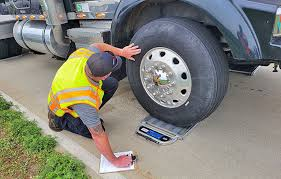
Portable Truck Scales for Law Enforcement are mobile weighing systems designed to measure the weight of commercial vehicles outside of fixed weigh stations. They are compact, durable, and accurate enough to support enforcement actions.
Read too: Top Trucking Companies That Still Have Manual Transmissions
These systems are commonly used by:
- Highway patrol units
- State and local transportation authorities
- Commercial vehicle enforcement teams
- Municipal law enforcement agencies
Unlike permanent scales, portable systems can be deployed anywhere, giving officers flexibility to conduct surprise or targeted inspections.
Why Truck Weight Enforcement Is So Important
Overweight trucks are a serious safety and infrastructure concern.
Key Risks of Overloaded Trucks
- Longer stopping distances
- Higher rollover risk
- Accelerated brake and tire wear
- Increased road and bridge damage
Transportation studies estimate that overweight vehicles contribute to billions of dollars in roadway damage each year in the United States. Portable truck scales allow enforcement agencies to address this problem efficiently.
How Portable Truck Scales Work
Portable scales are designed for quick setup and reliable readings.
Basic Operating Principle
- Scales are placed on a flat roadway surface
- The truck drives slowly onto the scale pads
- Weight is measured per axle or axle group
- Results are displayed digitally in real time
Most systems use load cells to convert pressure into precise weight measurements.
Types of Portable Truck Scales Used by Law Enforcement
1. Portable Axle Scales
These measure weight one axle at a time.
Best for:
- Roadside inspections
- Quick checks
Advantages:
- Lightweight
- Easy to transport
2. Portable Wheel Load Scales
Each wheel is weighed individually.
Advantages:
- High accuracy
- Ideal for detailed inspections
3. Low-Profile Drive-On Scales
Trucks drive fully onto the scale platform.
Advantages:
- Faster weighing
- Minimal vehicle repositioning
Accuracy and Legal Reliability
Accuracy is critical for enforcement.
Typical Accuracy Standards
- ±0.25% to ±1% of applied load
- Calibrated to state and federal standards
Most Portable Truck Scales for Law Enforcement are certified for legal use and accepted in court when properly calibrated and operated.
Are Portable Truck Scales Legally Admissible?
Yes—when used correctly.
Requirements for Legal Enforcement
- Regular calibration
- Proper officer training
- Documented procedures
- Compliance with state regulations
Many agencies rely on portable scales as primary evidence for citations and fines.
Portable vs Fixed Weigh Stations
Comparison Table
| Feature | Portable Truck Scales | Fixed Weigh Stations |
|---|---|---|
| Mobility | High | None |
| Setup Time | Minutes | Permanent |
| Surprise Enforcement | Yes | No |
| Cost | Lower | Very high |
| Coverage Area | Flexible | Limited |
Portable scales offer unmatched flexibility, especially in rural or high-traffic areas.
How Law Enforcement Uses Portable Truck Scales in the Field
Common Use Cases
- Roadside inspections
- Construction zone enforcement
- Temporary checkpoints
- Targeted enforcement on problem routes
Portable systems allow agencies to respond quickly to complaints or accident-prone locations.
Step-by-Step: Conducting a Truck Weigh Inspection
Step 1: Site Selection
- Choose flat, stable pavement
- Ensure safe traffic flow
Step 2: Scale Setup
- Place scale pads securely
- Connect display or wireless unit
⏱️ Setup time: 5–15 minutes
Step 3: Vehicle Positioning
- Guide driver slowly onto scales
- Ensure correct axle placement
Step 4: Record Weight
- Capture axle and gross vehicle weight
- Compare to legal limits
Step 5: Enforcement Action
- Issue warning or citation
- Document readings
Benefits of Portable Truck Scales for Law Enforcement
Operational Advantages
- Rapid deployment
- Reduced manpower needs
- Lower operational costs
Public Safety Benefits
- Fewer overloaded trucks on roads
- Reduced accident risk
- Better infrastructure protection
Studies show that consistent roadside weighing can reduce overweight violations by up to 35% over time.
Key Features to Look for When Choosing Portable Truck Scales
Law enforcement agencies typically evaluate:
- Accuracy certification
- Durability and weather resistance
- Wireless data transmission
- Ease of transport
- Battery life (8–24 hours typical)
💡 Expert insight: Agencies operating in extreme climates prioritize sealed electronics and ruggedized housings.
Training and Best Practices
Even the best equipment requires proper training.
Recommended Practices
- Annual calibration checks
- Routine officer refresher training
- Clear documentation procedures
Proper use ensures enforcement actions stand up to legal scrutiny.
Cost Considerations
Typical Price Range
- Entry-level systems: $3,000–$6,000
- Advanced law enforcement kits: $7,000–$15,000
While the initial investment may seem high, agencies often recover costs through:
- Reduced road maintenance
- Fines and compliance improvements
Technology Trends in Portable Truck Scales
Modern systems increasingly include:
- Bluetooth or Wi-Fi connectivity
- Data logging and reporting software
- Integration with enforcement databases
These features help agencies improve efficiency and transparency.
Safety Considerations During Roadside Weighing
Officer safety is critical.
Best Practices
- Use high-visibility clothing
- Set up cones and signage
- Position patrol vehicles strategically
Well-planned operations minimize risk to officers and drivers alike.
Background: Vehicle Weight Enforcement
For general information on how vehicle weighing supports transportation safety, see this overview:
👉 https://en.wikipedia.org/wiki/Weigh_station
FAQ: Portable Truck Scales for Law Enforcement
How accurate are portable truck scales?
Most certified systems offer accuracy within ±1% or better when properly calibrated.
Can portable scales replace weigh stations?
They don’t replace them, but they greatly expand enforcement reach.
How long does it take to weigh a truck?
Typically 2–5 minutes per vehicle.
Are portable truck scales weatherproof?
Most law enforcement models are designed for rain, heat, and cold.
Do officers need special training?
Yes. Proper training is required for legal and safe operation.
Conclusion
Portable Truck Scales for Law Enforcement are an essential tool for modern traffic and commercial vehicle enforcement. They provide flexibility, accuracy, and efficiency that fixed weigh stations cannot match. By enabling roadside inspections anywhere, these systems help protect infrastructure, improve safety, and ensure fair compliance across the trucking industry.
If this guide was helpful, share it on social media so others can better understand how portable truck scales support safer roads and smarter enforcement across the U.S. 🚓🚛
Leave a Reply