
Managing Profit And Loss For Trucking Company operations can feel overwhelming—especially with fluctuating fuel prices, maintenance costs, and freight rates. Whether you’re an owner-operator or managing a fleet, understanding your profit and loss statement is critical to long-term success.
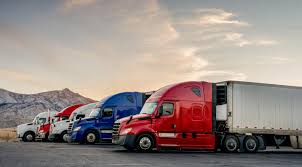
This guide breaks down revenue streams, operating expenses, cost-per-mile calculations, and practical strategies to improve profitability. By the end, you’ll have a clear roadmap to analyze and optimize your trucking company’s financial performance.
Read too: Top Trucking Companies That Still Have Manual Transmissions
Profit And Loss For Trucking Company: What Is It?
A Profit And Loss For Trucking Company statement (also called an income statement) summarizes:
- Revenue
- Expenses
- Net profit or loss
It shows whether your business is actually making money over a specific period—monthly, quarterly, or annually.
If you’re unfamiliar with profit and loss statements in general, see:
https://en.wikipedia.org/wiki/Income_statement
But trucking companies have unique financial structures that differ from other industries.
What Counts as Revenue in a Trucking Company?
Revenue in trucking comes from multiple sources.
Primary Revenue Streams:
- Line-haul freight charges
- Fuel surcharges
- Accessorial fees (detention, layover, liftgate)
- Dedicated contract agreements
- Brokered loads
Example Revenue Breakdown (Single Truck Monthly)
| Revenue Source | Amount |
|---|---|
| Freight hauling | $18,000 |
| Fuel surcharge | $3,000 |
| Accessorial fees | $1,200 |
| Total Revenue | $22,200 |
Gross revenue alone doesn’t determine profitability. Expenses matter just as much.
What Are the Main Expenses in Trucking?
Understanding expenses is critical when analyzing Profit And Loss For Trucking Company reports.
Fixed Costs (Monthly)
- Truck payment or lease
- Insurance premiums
- Licensing and permits
- Office overhead
- Dispatch services
Variable Costs
- Fuel
- Maintenance and repairs
- Tires
- Driver wages
- Tolls
- Load board fees
Example Monthly Expense Breakdown
| Expense Category | Amount |
|---|---|
| Fuel | $7,500 |
| Driver pay | $6,000 |
| Truck payment | $2,200 |
| Insurance | $1,500 |
| Maintenance | $1,000 |
| Miscellaneous | $800 |
| Total Expenses | $19,000 |
If revenue is $22,200 and expenses are $19,000:
Net Profit = $3,200
What Is a Good Profit Margin in Trucking?
Profit margins in trucking are often thinner than people expect.
Typical Industry Benchmarks:
- Small fleets: 5–10% net margin
- Efficient operations: 10–15% net margin
- Owner-operators: Highly variable
For example:
- Revenue: $20,000
- Net profit: $2,000
- Margin = 10%
High fuel costs can quickly reduce margins.
How Do You Calculate Cost Per Mile?
Cost per mile is one of the most important metrics in trucking profitability.
Formula:
Total Monthly Expenses ÷ Total Miles Driven
Example:
- Expenses: $19,000
- Miles driven: 10,000
- Cost per mile: $1.90
If your average rate per mile is $2.20:
Profit per mile = $0.30
Tracking this number weekly helps avoid unprofitable loads.
Step-by-Step: How to Create a Profit and Loss Statement
If you’re building one from scratch, follow these steps.
Step 1: Track All Revenue
Record:
- Invoice totals
- Fuel surcharges
- Additional fees
Keep digital copies for accuracy.
Step 2: Separate Fixed and Variable Costs
Create two categories:
- Fixed (monthly predictable)
- Variable (based on mileage and fuel usage)
This helps with forecasting.
Step 3: Calculate Gross Profit
Revenue – Variable Costs = Gross Profit
Step 4: Subtract Fixed Costs
Gross Profit – Fixed Costs = Net Profit
Step 5: Analyze Trends Monthly
Compare:
- Fuel percentage
- Maintenance spikes
- Revenue fluctuations
Consistency is key.
Why Do Trucking Companies Lose Money?
Common causes include:
- Poor load selection
- High deadhead miles
- Rising fuel prices
- Unexpected repairs
- Underpricing services
- Inefficient routing
Even companies with high revenue can struggle if expense control is weak.
Fuel: The Biggest Expense Driver
Fuel often accounts for 25–35% of total operating costs.
If diesel rises from $3.50 to $4.50 per gallon:
- 80 gallons/day
- $1 increase
- $80 extra daily
- $2,400 monthly increase
Fuel efficiency programs and fuel cards can improve margins significantly.
Maintenance and Depreciation Impact
Preventative maintenance reduces breakdown risk.
Recommended maintenance:
- Oil change every 10,000–15,000 miles
- Tire inspection weekly
- Full inspection quarterly
Neglecting maintenance increases downtime and revenue loss.
Owner-Operator vs Fleet Profitability
Owner-Operator
Pros:
- Higher revenue per truck
- Lower overhead
Cons:
- Income depends on one vehicle
- No risk diversification
Fleet Operator
Pros:
- Scalable revenue
- Diversified risk
Cons:
- Higher insurance
- Management complexity
- Increased payroll
Larger fleets often operate on thinner margins but higher total profit.
How to Increase Profitability in Trucking
Here are actionable strategies.
1. Reduce Deadhead Miles
Use route optimization software to minimize empty miles.
2. Negotiate Better Rates
Focus on:
- Dedicated lanes
- Long-term contracts
- Direct shipper relationships
3. Monitor Cost Per Mile Weekly
Small adjustments prevent major losses.
4. Invest in Fuel Efficiency
- Aerodynamic improvements
- Speed control (limit to 65 mph)
- Driver fuel training
Reducing speed from 70 mph to 65 mph can improve fuel economy by up to 7%.
5. Analyze Driver Performance
Track:
- Idle time
- Hard braking
- Route compliance
Driver behavior impacts fuel and maintenance costs.
Sample Monthly Profit & Loss Snapshot (Single Truck)
| Category | Amount |
|---|---|
| Total Revenue | $22,200 |
| Variable Costs | $14,500 |
| Gross Profit | $7,700 |
| Fixed Costs | $4,500 |
| Net Profit | $3,200 |
Net margin: 14.4%
This is considered strong performance.
Tax Considerations
Trucking companies may deduct:
- Depreciation
- Fuel expenses
- Insurance
- Equipment purchases
Consult a CPA familiar with transportation businesses for compliance and optimization.
FAQ – Profit And Loss For Trucking Company
1. What is a good monthly profit for a trucking company?
A single truck earning $2,000–$5,000 net monthly is considered healthy, depending on operating costs.
2. What percentage of revenue is fuel?
Typically 25–35% of total expenses.
3. How often should I review my P&L?
At minimum monthly. Weekly review is ideal for active operations.
4. Why is my trucking business not profitable?
High expenses, poor load rates, excessive deadhead miles, and unexpected repairs are common causes.
5. What software helps track profit and loss?
Accounting software with trucking integrations can automate expense tracking and reporting.
6. Is owning multiple trucks more profitable?
It can increase total profit but also increases operational risk and overhead.
Conclusion
Understanding Profit And Loss For Trucking Company operations is essential for long-term financial stability. Revenue alone doesn’t guarantee success—expense management, cost per mile tracking, and smart load selection determine profitability.
Monitor your numbers monthly, optimize fuel usage, reduce deadhead miles, and negotiate stronger freight rates. With disciplined financial management, your trucking business can maintain steady growth and sustainable profit.
If you found this guide helpful, share it with fellow trucking professionals or fleet managers looking to improve their financial performance.
Leave a Reply