
When managing construction, mining, or dust control operations, reliable water distribution is critical. That’s where the PTO water pump for water truck becomes essential. It provides the power and pressure needed to move large volumes of water efficiently — keeping your site clean, stable, and safe.
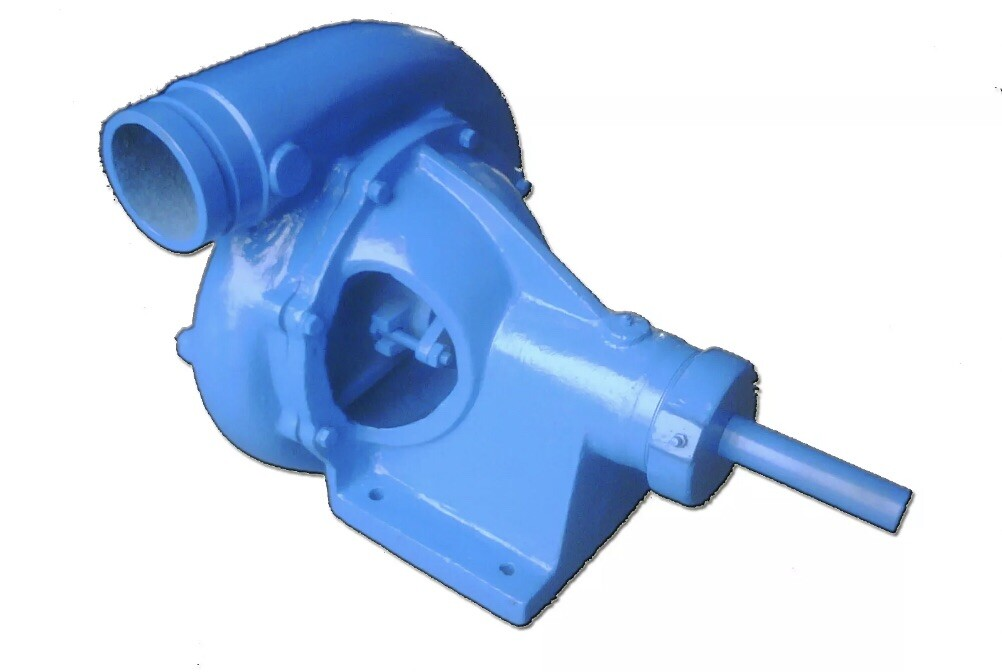
Whether you’re setting up your first water truck or upgrading your current system, understanding how PTO water pumps work, their cost, and how to select the right one can save you both time and money. This guide breaks down everything you need to know, in simple, practical terms.
Read too: Franklin Truck Parts Near Me: Your Complete Guide to Local Truck Parts & Repair Solutions
What Is a PTO Water Pump for Water Truck?
A PTO (Power Take-Off) water pump is a mechanical device that transfers engine power from a truck to a pump. It connects directly to the truck’s transmission, allowing the engine to power the pump when engaged.
This system eliminates the need for a separate motor or generator, making it a cost-effective and reliable solution for large-scale water delivery.
According to Wikipedia, PTO systems are widely used in trucks and agricultural machinery to power auxiliary equipment such as pumps, compressors, and hydraulic systems.
How Does a PTO Water Pump Work?
The operation of a PTO water pump can be summarized in four main steps:
- Engagement: The truck’s transmission activates the PTO shaft.
- Power Transfer: The shaft transfers rotational energy to the water pump.
- Water Intake: The pump draws water from the truck’s tank through a suction hose.
- Water Discharge: Pressurized water is released through nozzles or hoses for spraying, dust suppression, or filling tanks.
This setup allows operators to control flow rate and pressure directly from the truck cab, giving better operational efficiency compared to standalone engine-driven pumps.
Types of PTO Water Pumps
There are several types of PTO-driven pumps designed for different water truck applications. Here are the most common ones:
| Pump Type | Best For | Flow Capacity | Pressure Range (PSI) |
|---|---|---|---|
| Centrifugal PTO Pump | General water transfer, dust control | 200–500 GPM | 50–150 |
| Gear PTO Pump | High-pressure spraying, irrigation | 100–300 GPM | 150–300 |
| Diaphragm PTO Pump | Slurry, chemical or contaminated water | 50–200 GPM | 80–250 |
Centrifugal pumps are the most common for water trucks because they handle large volumes efficiently and have fewer moving parts, reducing maintenance costs.
Why Choose a PTO Water Pump Over an Engine-Driven Pump?
When comparing PTO-driven systems with traditional engine-driven pumps, PTO systems stand out for their simplicity, cost-efficiency, and reliability.
| Feature | PTO Water Pump | Engine-Driven Pump |
|---|---|---|
| Power Source | Truck engine | Separate engine |
| Maintenance | Lower (shared maintenance) | Higher (two engines) |
| Fuel Efficiency | Better (uses one engine) | Less efficient |
| Installation Cost | Moderate | High |
| Durability | Excellent | Good |
Verdict: For most water trucks, PTO pumps are the better choice — especially if you want lower fuel consumption and fewer components to maintain.
Common Applications for PTO Water Pumps
PTO water pumps are used in multiple industries, including:
- Construction: Dust suppression and compaction
- Mining: Haul road watering and dust control
- Agriculture: Field irrigation and livestock watering
- Firefighting: Portable fire control systems
- Municipal Services: Street cleaning and water transport
A well-maintained PTO water pump ensures consistent water delivery across these operations, minimizing downtime.
Cost of a PTO Water Pump for a Water Truck
The average cost of a PTO water pump ranges between $1,200 and $3,500, depending on brand, capacity, and materials.
| Component | Average Cost (USD) |
|---|---|
| PTO Shaft Assembly | $400 – $900 |
| Centrifugal Pump Unit | $1,000 – $2,000 |
| Mounting & Couplings | $200 – $400 |
| Installation (Labor) | $300 – $800 |
Total Estimated Setup Cost: $1,900 – $4,000
Higher-end stainless steel pumps or heavy-duty models can cost upwards of $5,000 but often provide longer service life and better corrosion resistance.
Key Features to Look For
When choosing a PTO water pump for water truck, pay attention to the following:
- Flow Capacity (GPM) – Match it to your tank size. For a 2,000-gallon truck, a 300–400 GPM pump is ideal.
- Pressure Rating (PSI) – Choose a pump with sufficient pressure for your job (e.g., 100 PSI for dust suppression).
- Build Material – Stainless steel or cast iron for durability and corrosion resistance.
- Compatibility – Ensure it matches your truck’s PTO output and transmission model.
- Ease of Maintenance – Choose a model with easily replaceable seals, bearings, and impellers.
Step-by-Step: How to Install a PTO Water Pump
Always follow the manufacturer’s instructions and consult a certified mechanic if unsure.
- Inspect Your PTO Output Shaft – Confirm it matches the pump’s input size and rotation direction.
- Mount the PTO Unit – Securely attach it to the transmission with mounting brackets.
- Install the Drive Shaft – Connect the PTO to the pump using a flexible coupling or shaft.
- Mount the Pump – Attach the pump securely to the truck frame or water tank base.
- Connect Hoses – Attach suction and discharge hoses using high-pressure fittings.
- Test Operation – Engage PTO at low RPM and monitor flow rate, leaks, and vibration.
Installation Time: 4–6 hours (professional setup).
Maintenance Tips for Longevity
Proper maintenance can extend the life of your PTO water pump by several years.
- Change oil and grease fittings regularly.
- Inspect seals and bearings every 6 months.
- Flush the pump with clean water after each use, especially if handling chemicals or slurry.
- Check alignment of PTO and pump shafts to prevent premature wear.
- Replace impellers every 1,000–1,500 operating hours.
Following these steps can reduce breakdowns by up to 40%, according to fleet maintenance data from heavy equipment suppliers.
Troubleshooting Common PTO Water Pump Problems
| Issue | Possible Cause | Fix |
|---|---|---|
| Low water flow | Air leak in suction line | Check hose clamps and seals |
| Excessive noise | Cavitation or misalignment | Reprime pump, realign shafts |
| Overheating | Dry running or low oil | Add lubrication or shut down immediately |
| Leaking seals | Worn-out gaskets | Replace seals or gaskets |
Tip: Always disengage the PTO before inspecting or performing maintenance to avoid serious injury.
Expert Insight
“PTO water pumps are the backbone of modern water truck systems. They combine simplicity and power — but proper installation and maintenance are critical for long-term performance.”
— Mark D. Henson, Senior Hydraulics Engineer, Texas Equipment Solutions
FAQ
Q1: What size PTO water pump do I need for my water truck?
It depends on your tank size and usage. For 2,000–4,000-gallon trucks, a 300–400 GPM pump with 100–150 PSI is ideal.
Q2: Can I retrofit a PTO pump on any water truck?
Yes, as long as your truck’s transmission supports a PTO output and you have the correct mounting components.
Q3: How long does a PTO pump last?
With proper maintenance, a high-quality PTO water pump can last 5–10 years or more.
Q4: What’s the difference between hydraulic and PTO pumps?
PTO pumps use mechanical drive power from the truck’s engine, while hydraulic pumps use fluid pressure — PTOs are simpler and often more efficient for water trucks.
Q5: Can I use my PTO water pump for fire suppression?
Yes. Many municipalities use PTO water pumps for emergency fire response, as they can produce high-pressure output and consistent flow.
Conclusion
The PTO water pump for water truck is a vital component that ensures reliable, efficient water delivery for construction, mining, and agricultural operations. Its ability to harness the truck’s engine power makes it both economical and durable.
By choosing the right pump type, performing regular maintenance, and ensuring correct installation, you can maximize performance and extend the pump’s lifespan.
Leave a Reply