
Removing old shrubs and overgrown plants can be exhausting, especially when the roots are deep and stubborn. Many homeowners try digging for hours, only to realize the bush barely moves. That’s why many people search for ways to pull out bushes with truck — a faster and more powerful method to clear landscaping.
If done correctly, using a truck to remove bushes can save hours of manual labor. In this guide, you’ll learn safe techniques, tools you need, step-by-step instructions, and expert tips to avoid damage to your vehicle or property.
Read too: Top Trucking Companies That Still Have Manual Transmissions
Can You Pull Out Bushes With Truck?
Yes — you can pull out bushes with a truck, and many landscapers use this method for small trees, shrubs, and large bushes.
However, success depends on several factors:
- Root depth
- Soil condition
- Bush size
- Proper equipment
Shallow-rooted shrubs such as boxwood, lilac, and hydrangea are usually easy to remove with a truck. Deep-rooted plants or large trees may require heavier equipment.
According to landscaping experts, roots of many ornamental shrubs typically spread 2–3 times wider than the plant canopy, but they often stay within the top 12–18 inches of soil, making them easier to pull out compared to trees.
You can learn more about plant root structures on Wikipedia’s guide to root systems.
What Tools Do You Need to Pull Out Bushes With Truck?
Before attempting this method, gather the right equipment. Using improper gear can break your rope or damage your vehicle.
Essential Tools
| Tool | Purpose |
|---|---|
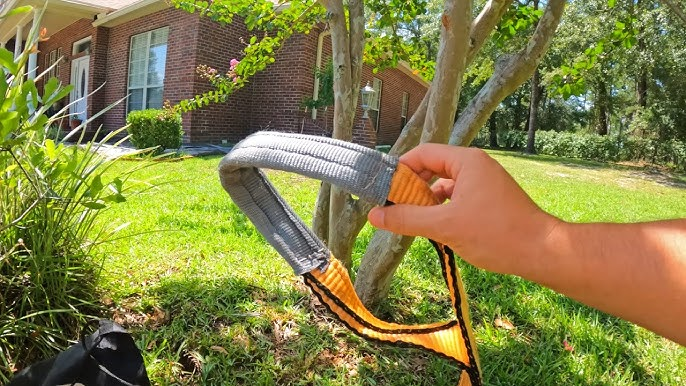
| Heavy-duty tow strap | Connects bush to truck |
| Shovel | Loosens soil around roots |
| Work gloves | Protects hands |
| Pruning saw | Cuts thick roots |
| Chain or recovery strap | Provides strong pulling force |
Recommended Specifications
- Tow strap capacity: 10,000–20,000 lbs
- Chain thickness: 3/8 inch steel chain
- Vehicle type: Pickup truck or SUV with towing capability
Avoid using weak ropes or bungee cords. These can snap under tension and cause serious injuries.
Step-by-Step Guide: How to Pull Out Bushes With Truck
Follow these steps carefully to remove shrubs safely.
Step 1: Prepare the Area
First, clear the surrounding area to avoid damage.
Remove:
- Rocks
- Garden ornaments
- Irrigation lines
- Nearby plants you want to keep
Use a shovel to dig around the bush about 8–12 inches deep. This loosens the soil and reduces resistance when pulling.
Pro tip: Water the soil 12–24 hours before removal. Moist soil reduces root grip and makes pulling easier.
Step 2: Trim the Bush
Cut back branches so only 2–3 feet of the trunk remains.
Benefits of trimming:
- Reduces weight
- Improves strap attachment
- Prevents branches from snapping
Use pruning shears or a pruning saw for thicker stems.
Step 3: Attach the Tow Strap
Wrap a heavy-duty tow strap or chain around the base of the bush.
Important guidelines:
- Position strap as close to ground level as possible
- Wrap tightly around the trunk
- Avoid attaching to weak branches
Secure the other end to your truck’s tow hitch, not the bumper.
Never attach the strap to:
- Bumpers
- Axles
- Suspension parts
These can break under tension.
Step 4: Position the Truck
Drive the truck forward slowly until the strap becomes tight.
Maintain a distance of about 10–15 feet from the bush.
Keep the strap straight and aligned with the bush to avoid sideways pulling.
Step 5: Apply Gentle Power
Now slowly accelerate.
Do not slam the gas pedal.
Instead:
- Apply light throttle
- Let the tension build gradually
- Allow the roots to loosen
Often, the bush will pop out suddenly once the root ball breaks free.
For stubborn bushes, you may need 2–3 attempts.
Step 6: Remove Remaining Roots
After the bush is pulled out:
- Fill the hole with soil
- Remove remaining root fragments
- Compact the soil lightly
This prevents sinking or uneven ground later.
Advantages vs Disadvantages of the Truck Method
Using a truck for bush removal has clear benefits, but also some risks.
Comparison Table
| Advantages | Disadvantages |
|---|---|
| Much faster than digging | Risk of property damage |
| Minimal physical effort | Can damage vehicle if done wrong |
| Effective for large shrubs | Not ideal for deep tree roots |
| Cheap DIY solution | Requires proper safety precautions |
Many homeowners report that this method reduces bush removal time from 1–2 hours to less than 10 minutes.
Safety Tips When Pulling Bushes With a Truck
Safety should always come first when using vehicles for landscaping tasks.
Key Safety Rules
1. Use Rated Tow Straps
Always use straps rated above 10,000 lbs.
2. Keep Distance From the Strap
Stand at least 20 feet away when pulling.
If the strap snaps, it can whip dangerously.
3. Avoid Sudden Acceleration
Jerking the truck can damage:
- Tow hitch
- Transmission
- Suspension
4. Check Underground Utilities
Before digging or pulling, confirm there are no:
- Water lines
- Gas pipes
- Electrical cables
5. Use Low Gear
Low gear gives better torque control and prevents wheel spin.
What Types of Bushes Are Easy to Pull Out With a Truck?
Some shrubs are easier to remove than others.
Easy Bushes to Remove
- Boxwood
- Azalea
- Lilac
- Rose bushes
- Hydrangea
These usually have shallow roots.
Difficult Bushes
- Large juniper
- Mature holly
- Old hedge shrubs
- Bushes with woody taproots
These may require stump grinders or mini excavators.
Alternative Methods for Removing Bushes
If the truck method doesn’t work, consider these alternatives.
1. Manual Digging
Best for small shrubs.
Steps include:
- Digging a 12–18 inch root circle
- Cutting roots with a saw
- Lifting the root ball
2. Winch Method
Using a manual winch or come-along provides controlled pulling force.
Benefits:
- Safer than a truck
- Works in tight spaces
3. Stump Grinder
Ideal for large bushes or small trees.
Grinding removes:
- Root crown
- Surface roots
Expert Tips for Faster Bush Removal
Professional landscapers use a few tricks to speed up bush removal.
Water the Soil
Moist soil can reduce root resistance by 30–50%.
Dig a Trench
Create a 10–12 inch trench around the bush before pulling.
Cut Major Roots
Use a pruning saw to cut visible roots.
Pull From Low Angle
Attach the strap as close to ground level as possible for maximum leverage.
FAQ: Pull Out Bushes With Truck
Is it safe to pull bushes out with a truck?
Yes, if done correctly. Use a heavy-duty tow strap, attach it to a proper tow hitch, and accelerate slowly. Safety distance and proper equipment are essential.
What size truck do I need?
Most pickup trucks or SUVs with towing capability can remove standard landscaping bushes. Vehicles with 3,000–5,000 lbs towing capacity usually work well.
Will pulling bushes damage my truck?
Not if you use proper technique. Avoid sudden jerking, attach only to the tow hitch, and pull gradually.
Can you pull out tree stumps with a truck?
Small stumps may work, but large tree stumps are risky. They often require stump grinders or excavators.
How long does it take to remove a bush this way?
Typically 5–15 minutes, depending on soil conditions and root size.
Should I dig around the bush first?
Yes. Loosening the soil improves success and reduces strain on your truck.
Conclusion
Learning how to pull out bushes with truck can save time, effort, and landscaping costs. With the right preparation, tools, and safe technique, homeowners can remove stubborn shrubs in minutes rather than hours.
Remember these key steps:
- Loosen soil before pulling
- Use a heavy-duty tow strap
- Attach to a proper tow hitch
- Apply slow, controlled power
When done safely, this method becomes one of the easiest ways to clear unwanted shrubs and reclaim your yard.
If you found this guide helpful, consider sharing it on social media so other homeowners can learn how to remove bushes safely and efficiently. 🌱🚚
Leave a Reply