
Staying organized on the road isn’t just about neat paperwork — it’s about protecting your income and staying compliant. Poor documentation can lead to fines, failed inspections, or even audits. That’s why Record Keeping For Truck Drivers is one of the most important habits every CDL holder and owner-operator must develop.
In this comprehensive guide, we’ll break down what records you must keep, how long to keep them, and practical systems to simplify your paperwork — whether you’re a company driver or running your own authority.
Read too: Top Trucking Companies That Still Have Manual Transmissions
What Is Record Keeping For Truck Drivers?
4
Record Keeping For Truck Drivers refers to documenting driving hours, inspections, maintenance, fuel expenses, and other operational records required by employers and federal regulators.
In the United States, commercial trucking regulations are overseen by the Federal Motor Carrier Safety Administration (FMCSA). You can learn more about the regulatory framework here: https://en.wikipedia.org/wiki/Federal_Motor_Carrier_Safety_Administration
Proper documentation protects you during:
- DOT roadside inspections
- Safety audits
- Tax season
- Insurance claims
- Employer performance reviews
Why Is Record Keeping So Important for Truck Drivers?
1. DOT Compliance
Hours-of-Service (HOS) violations can result in:
- Fines
- Out-of-service orders
- CSA score penalties
Accurate logs prevent violations.
2. Tax Benefits (Owner-Operators)
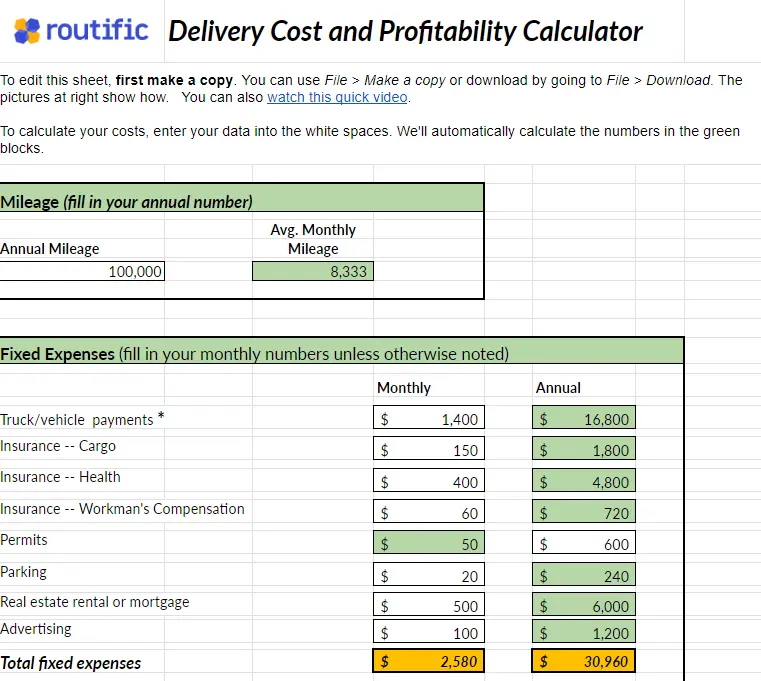
Tracking expenses allows you to deduct:
- Fuel
- Repairs
- Tolls
- Insurance
- Per diem
Missing receipts means missed deductions.
3. Legal Protection
If involved in an accident, proper logs can:
- Verify compliance
- Protect against liability claims
- Support insurance defense
What Records Must Truck Drivers Keep?
This is one of the most searched questions about Record Keeping For Truck Drivers.
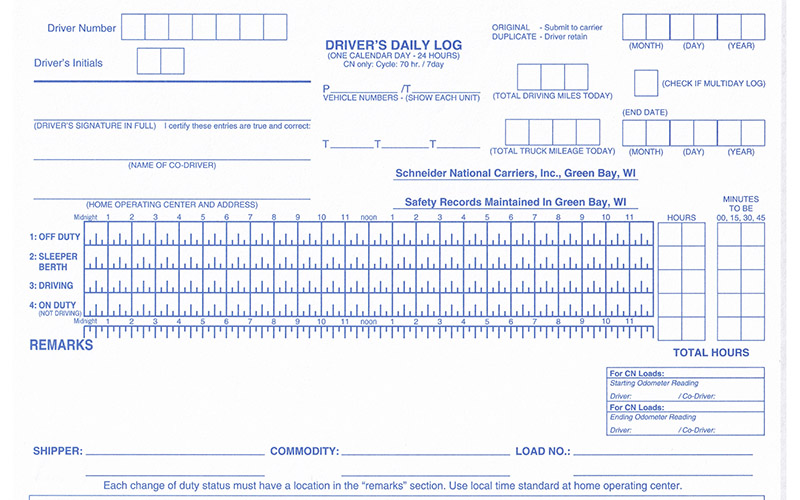
1. Hours of Service (HOS) Logs
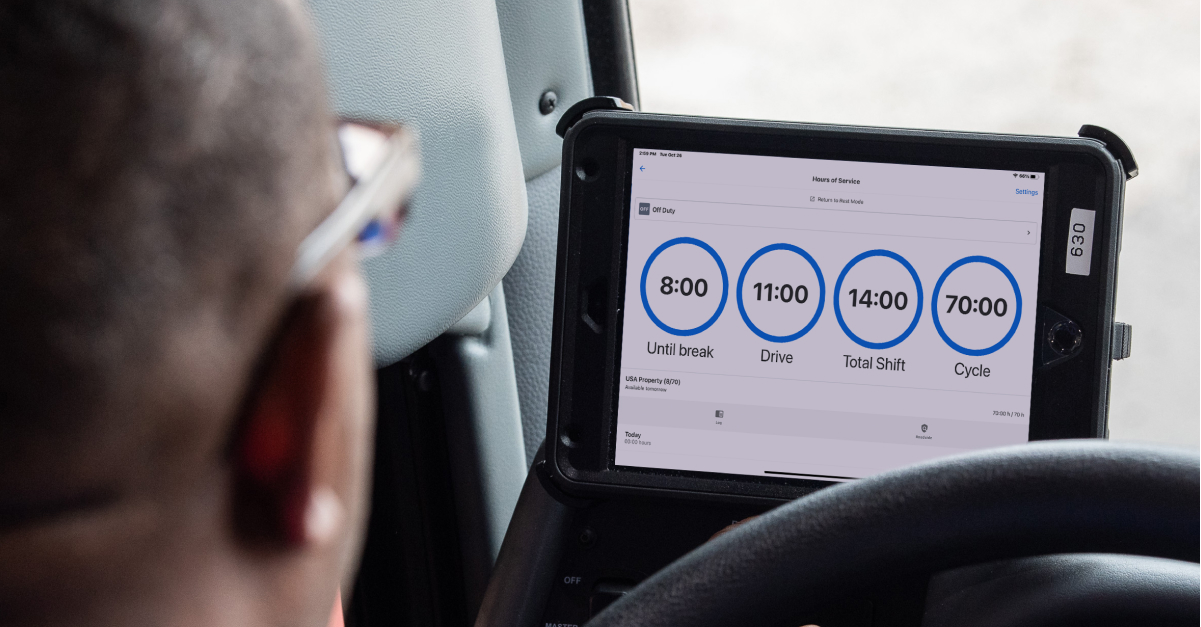
Most drivers use Electronic Logging Devices (ELDs). Required records include:
- Driving time
- On-duty not driving
- Sleeper berth
- Off-duty
Drivers must retain:
- Current day log
- Previous 7 days of logs
2. Driver Vehicle Inspection Reports (DVIR)
Completed:
- Before trip
- After trip
Covers:
- Brakes
- Tires
- Lights
- Coupling devices
- Steering components
3. Fuel Receipts and Mileage Logs
Especially critical for:
- IFTA reporting
- Tax deductions
- Fuel tax compliance
4. Maintenance Records
Fleet operators must keep:
- Repair invoices
- Service dates
- Tire replacements
- Brake service documentation
5. Employment Records (Company Drivers)
Carriers must maintain:
- CDL verification
- Medical certificate
- Drug testing results
- Driving record
How Long Should Records Be Kept?
Retention time varies.
General Guidelines
| Record Type | Retention Period |
|---|---|
| HOS Logs | 6 months |
| DVIR Reports | 3 months |
| Maintenance Records | 1 year minimum |
| Driver Qualification File | Duration of employment + 3 years |
| Tax Records | 3–7 years |
Always verify current FMCSA regulations for updates.
How to Organize Trucking Records Efficiently


4
Option 1: Digital Record Keeping
Advantages:
- Cloud backup
- Easier audits
- Reduced paper clutter
Common tools:
- ELD apps
- Mileage tracking software
- Accounting apps
Option 2: Physical Binder System
Use labeled sections:
- HOS Logs
- Maintenance
- Fuel Receipts
- Permits & Licenses
Store documents in waterproof folder inside truck.
Step-by-Step: Creating a Simple Record System
If you’re just starting, follow this structure.
Step 1: Create 5 Main Categories
- Hours & Logs
- Inspections
- Fuel & Expenses
- Maintenance
- Compliance Documents
Step 2: Use a Weekly Review System
Set aside 30 minutes weekly to:
- Reconcile fuel receipts
- Verify ELD accuracy
- File repair invoices
- Check expiring documents
Consistency prevents backlog.
Step 3: Back Up Digitally
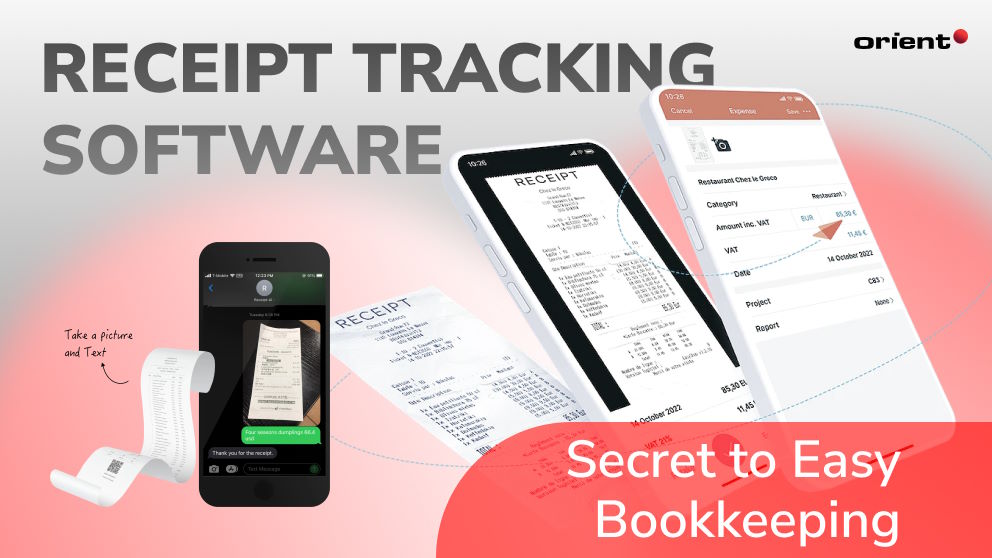
Scan paper receipts using:
- Smartphone app
- Cloud storage
Save files in organized folders labeled by month and year.
Pros and Cons of Digital vs Paper Record Keeping
✔ Digital System
- Faster search
- Reduced physical storage
- Easier sharing with accountants
✖ Digital System
- Requires internet access
- Learning curve
✔ Paper System
- Simple
- No technology required
✖ Paper System
- Can be lost or damaged
- Harder to audit
Hybrid systems often work best.
Common Record Keeping Mistakes to Avoid
- Failing to update logs daily
- Losing fuel receipts
- Ignoring inspection documentation
- Mixing personal and business expenses
- Not backing up digital records
Small errors can create major compliance problems.
How Record Keeping Impacts CSA Scores
The Compliance, Safety, Accountability (CSA) program evaluates carrier safety performance.
Poor documentation can lead to:
- Higher CSA scores
- Increased inspections
- Insurance premium hikes
Maintaining clean records supports better safety ratings.
FAQ: Record Keeping For Truck Drivers
1. Are paper logs still allowed?
In limited cases, yes. However, most commercial drivers are required to use ELDs unless exempt.
2. What happens if I lose my logs?
You must reconstruct them immediately and report the issue to your carrier. Repeated failures can lead to penalties.
3. Do owner-operators need separate tax records?
Yes. Keeping separate business accounts simplifies accounting and reduces audit risk.
4. How often should I review my records?
Weekly reviews are recommended to prevent compliance gaps.
5. What is the penalty for incomplete records?
Penalties vary but can include fines, points on your CSA score, or out-of-service orders.
6. Is digital record keeping safer?
Yes, when backed up properly. Cloud systems reduce risk of physical document loss.
Final Thoughts
Effective Record Keeping For Truck Drivers isn’t just about avoiding fines — it’s about running a safer, more profitable operation. Organized records protect your CDL, reduce stress during inspections, and simplify tax season.
Whether you’re a company driver or independent owner-operator, building a consistent record management system today will pay off for years to come.
If this guide helped you improve your trucking organization, share it with fellow drivers who want to stay compliant and stress-free on the road.
Leave a Reply