
If you’re researching Restricted Truck Routes in Georgia, you’re probably dealing with confusing DOT rules, unclear road signs, or worries about fines for accidentally using the wrong highway. Many truck drivers—local and OTR—struggle to understand which roads allow trucks, which require permits, and which completely restrict commercial vehicles. This guide breaks everything down in a simple, friendly way so you can stay compliant and avoid costly penalties.
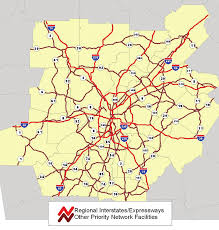
What Are Restricted Truck Routes in Georgia?
Restricted Truck Routes in Georgia are roads, highways, or city zones where certain types of commercial trucks are limited or prohibited due to:
- Weight limits
- Height/length restrictions
- Local noise ordinances
- Bridge structural capacity
- Residential protections
- Safety and congestion concerns
Georgia’s restrictions are enforced by:
- Georgia Department of Transportation (GDOT)
- Local county governments
- City transportation departments
- Law enforcement agencies
Read too: Top Trucking Companies That Still Have Manual Transmissions
Restricted routes typically apply to:
- Semi-trucks
- Dump trucks
- Box trucks
- Logging trucks
- Hazmat vehicles
For general information about truck classifications, see Wikipedia’s page on trucks.
Why Does Georgia Restrict Certain Truck Routes?
Georgia has one of the busiest freight corridors in the Southeast, connecting:
- Florida
- Alabama
- Tennessee
- South Carolina
- Ports of Savannah & Brunswick
Because of this traffic volume, restrictions help:
1. Protect Residential Areas
Heavy trucks increase noise, vibration, and road deterioration.
2. Reduce Highway Congestion
Some urban roads are too narrow or busy for commercial vehicles.
3. Protect Aging Bridges
Many rural bridges can’t support high axle weights.
4. Improve Traffic Safety
Some roads have sharp curves and low clearances unsafe for big rigs.
5. Support Local Ordinances
Cities such as Atlanta, Savannah, and Macon create local truck rules to manage traffic.
Most Common Types of Restricted Truck Routes in Georgia
This section covers what truckers are most likely to encounter.
1. Weight-Restricted Roads
These roads limit trucks by:
- Gross Vehicle Weight (GVW)
- Axle weight
- Bridge load posting
Common signs:
“Weight Limit 10 Tons”
“No Trucks Over 26,000 lbs”
If your truck exceeds the posted weight, you must choose a legal alternate route.
2. Local Delivery–Only Routes
Marked as:
“Local Deliveries Only”
You may legally drive these routes only if your pickup or drop-off point is located in that zone.
3. No-Through-Truck Routes
These roads allow:
- Local deliveries
- Local pickups
But prohibit through traffic using the road as a shortcut.
4. Low-Clearance Routes
Georgia has several low railroad overpasses in cities like:
- Atlanta
- Decatur
- Augusta
- Savannah
Signs include:
“Clearance 12’ 6’’”
Truckers unfamiliar with the area frequently get stuck—resulting in major fines and towing charges.
5. Hazmat-Restricted Routes
Hazardous materials require specific routing, especially near:
- Tunnels
- Water supplies
- Densely populated areas
Hazmat trucks must follow GDOT routing rules and often need a permit.
6. Urban Truck Restrictions
Large cities enforce their own truck regulations. Examples include:
Atlanta
- Certain downtown streets restrict heavy trucks
- Many residential zones prohibit through trucks
Savannah
- Strict rules near the Historic District
- Port traffic must use designated corridors
Augusta
- Truck limits near government buildings and medical districts
Local laws often differ from state rules, so staying updated is essential.
What Highways Are Commonly Restricted for Trucks in Georgia?
While major interstates such as I-75, I-85, I-16, and I-20 are largely truck-friendly, restrictions exist on:
- State routes with old bridges
- Downtown connectors
- Historic district roads
- Mountain roads in North Georgia
- Narrow coastal highways
Examples of commonly restricted areas include:
- Downtown Atlanta surface streets
- GA-400 (certain sections for hazardous materials)
- GA-78 (urban segments)
- Savannah city streets near riverfront
(Note: Local restrictions change frequently—always verify with GDOT maps.)
Georgia Truck Route Signs You Must Know
Here’s a quick guide:
| Sign | Meaning |
|---|---|
| No Trucks | Trucks 26,000+ lbs prohibited |
| Truck Route → | Mandatory detour for trucks |
| Weight Limit | Max GVW or axle load allowed |
| Low Clearance | Height restriction ahead |
| Local Delivery Only | Trucks allowed only for deliveries |
Penalties for Violating Restricted Truck Routes in Georgia
Penalties vary by county but often include:
• Fines: $150–$1,000 per violation
Depending on weight and severity.
• Points on CDL
Repeated offenses can harm your record.
• Out-of-Service Orders
DOT can restrict driving until route is corrected.
• Damage Liability
If you damage a bridge or structure, you may be held financially responsible.
• Towing and Impounding
Low clearance strikes often result in expensive extra charges.
How to Check Restricted Truck Routes in Georgia (Step-by-Step Tutorial)
Below is a simplified process truckers can use anytime.
Step 1: Visit the Official GDOT Site
Go to the GDOT Maps & Data Portal (search in your browser).
Step 2: Select “Truck Route Map”
This displays restricted, preferred, and alternate truck paths.
Step 3: Use the Search Bar
Enter:
- City
- Road name
- State route number
Step 4: Enable Layers
Turn on:
- Weight limits
- Bridge restrictions
- Hazmat routes
- Low clearances
Step 5: Plan Alternate Routes
Review allowed and prohibited paths.
Step 6: Save or Screenshot the Map
Helpful for reference during hauling.
How Georgia Compares to Other States (Comparison Table)
| State | Restriction Strictness | Notes |
|---|---|---|
| Georgia | ★★★★☆ | Many local restrictions + aging bridges |
| Florida | ★★★☆☆ | Mostly urban restrictions |
| Tennessee | ★★☆☆☆ | Mountain routes are primary concern |
| South Carolina | ★★☆☆☆ | Fewer urban restrictions |
| North Carolina | ★★★☆☆ | Increasing restrictions near Charlotte |
Georgia’s unique mix of ports, major interstates, and rural roads makes its restrictions more complex than neighboring states.
Tips for Truck Drivers Navigating Restricted Truck Routes in Georgia
1. Always Use a Truck-Specific GPS
Consumer GPS apps do not show truck restrictions.
2. Check Routes Daily
Construction zones change frequently.
3. Avoid City Centers
Cities like Atlanta and Savannah have the most restrictions.
4. Watch for Low Bridge Warnings
Georgia logs dozens of bridge strikes each year.
5. Follow Designated Port Routes
Especially near Savannah.
6. Keep a Copy of Delivery Address
This helps if stopped on a “local delivery only” route.
Pros & Cons of Georgia’s Restricted Truck Route System
| Pros | Cons |
|---|---|
| Protects communities | Harder navigation for truckers |
| Reduces congestion | Some signs unclear |
| Prevents bridge damage | Rules vary by local area |
| Improves safety | Violations can be costly |
Infographic-Style Quick Guide: Truck Restrictions in Georgia
If Sign Says → You Must:
- No Trucks → Use alternate truck route
- Local Deliveries Only → Deliver only in the restricted zone
- Weight Limit 10 Tons → Avoid if over posted weight
- Low Clearance 12’ 6” → Stop and reroute immediately
- Hazmat Restricted → Follow GDOT-approved hazmat route
FAQ – Restricted Truck Routes in Georgia
1. How do I know if a road is restricted for trucks in Georgia?
Check GDOT maps, truck-route GPS, and posted road signs.
2. Are local delivery trucks allowed in restricted areas?
Yes—if making a legitimate pickup or delivery.
3. Can semi-trucks drive through downtown Atlanta?
Most downtown surface streets restrict heavy trucks unless for local deliveries.
4. What happens if I accidentally enter a restricted route?
You may be fined or ordered to reroute immediately.
5. Are there special rules for hazmat trucks in Georgia?
Yes—hazmat trucks must follow specific GDOT-approved routes.
6. Are fines the same across the state?
No—penalties vary by county and local jurisdiction.
Conclusion
Understanding Restricted Truck Routes in Georgia is essential for avoiding fines, staying compliant, and protecting your CDL. Georgia’s mix of urban, rural, port, and mountain routes makes navigation tricky, but with proper tools and knowledge, you can plan safe and legal routes every time.
If this guide helped you, feel free to share it with other truckers, fleet managers, or dispatchers who travel through Georgia.
Leave a Reply