
Managing a trucking business comes with significant risks, from accidents to cargo damage. Risk Retention Group Trucking Insurance offers specialized coverage that helps protect fleets while providing cost-effective solutions. Traditional insurance options can be expensive or difficult to obtain for high-risk carriers, making RRG insurance a valuable alternative.
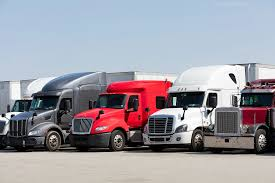
What Is Risk Retention Group Trucking Insurance?
Risk Retention Groups (RRGs) are liability insurance providers formed by businesses within the same industry to cover shared risks. In the trucking industry, RRGs focus on providing tailored liability coverage for commercial vehicles, including:
- General liability for trucking operations
- Cargo and freight liability coverage
- Physical damage for trucks and trailers
- Coverage for interstate and intrastate operations
- Risk management services to reduce claims
According to Wikipedia, RRGs are regulated under the Liability Risk Retention Act, enabling businesses to self-insure and pool risk effectively.
Benefits of Risk Retention Group Trucking Insurance
- Cost Savings: RRGs often offer lower premiums compared to traditional insurers, as they are owned by the policyholders.
- Tailored Coverage: Policies can be customized to meet the specific needs of trucking operations, including specialized cargo or route requirements.
- Control Over Risk Management: Members can implement proactive safety and maintenance programs to reduce claims.
- Access for High-Risk Operators: Some carriers considered too risky for standard insurance can obtain coverage through RRGs.
- Shared Ownership Benefits: Profits and dividends are typically returned to members, providing financial incentives.
Statistic: Studies in the commercial trucking sector show that fleets insured through RRGs can reduce liability costs by up to 20% compared to conventional carriers.
Read too: Top Trucking Companies That Still Have Manual Transmissions
Types of Coverage Offered by RRG Trucking Insurance
| Coverage Type | Description | Best For |
|---|---|---|
| General Liability | Covers bodily injury, property damage, legal fees | All trucking operations |
| Cargo Liability | Protects goods in transit | Freight carriers & logistics |
| Physical Damage | Covers trucks, trailers, and equipment | Owner-operators & fleets |
| Non-Trucking Liability | Coverage when truck is off-duty | Independent drivers |
| Excess Liability | Higher limits beyond standard policy | Large fleets or high-value loads |
Tip: Combining coverage types in an RRG policy ensures comprehensive protection while optimizing costs.
How to Join a Risk Retention Group
Joining an RRG involves specific steps:
- Evaluate Eligibility: Only businesses in the same industry can form or join an RRG.
- Assess Coverage Needs: Determine liability limits, cargo values, and fleet size.
- Submit Application: Provide operational, safety, and financial information for underwriting.
- Pay Membership Fees: Initial capital and premium contributions are required.
- Implement Risk Management: Adhere to safety programs and reporting standards to maintain eligibility and reduce claims.
- Renew Annually: Continue compliance and pay annual premiums or assessments.
Pro Tip: Engage with an insurance broker experienced in RRGs to navigate regulatory and compliance requirements efficiently.
RRG Trucking Insurance vs Traditional Insurance
| Feature | RRG Insurance | Traditional Insurance |
|---|---|---|
| Cost | Often lower premiums | Standard market rates |
| Coverage Flexibility | Highly customizable | Limited customization |
| Eligibility | Industry-specific | Broad but restrictive for high-risk operators |
| Ownership | Member-owned | Shareholder-owned |
| Claims Control | Active member participation | Managed by insurer |
Insight: RRG insurance is particularly beneficial for trucking companies seeking flexibility, lower costs, and control over their risk management strategies.
Real-World Applications
- Small Fleet Operators: Owner-operators benefit from affordable liability coverage and cargo protection.
- High-Risk Carriers: Companies with prior claims or challenging routes gain access to coverage unavailable from standard insurers.
- Specialized Freight: Temperature-sensitive or hazardous cargo carriers can customize coverage for specific risks.
- Large Fleets: Dividends and profit sharing from RRG ownership can offset operating costs.
Case Study: A mid-sized Texas trucking company joined an RRG to cover 50 vehicles. Over three years, the fleet reduced liability premiums by 18% while implementing enhanced driver safety programs that lowered accident claims.
FAQ – Common Questions
Q1: What is the difference between an RRG and traditional insurance?
A1: RRGs are member-owned liability insurance providers limited to a specific industry, offering tailored coverage and often lower premiums than traditional insurers.
Q2: Are RRGs federally regulated?
A2: Yes, they operate under the Liability Risk Retention Act, but each state may have additional regulatory requirements.
Q3: Can a trucking company with prior claims join an RRG?
A3: Yes, RRGs often provide coverage options for higher-risk carriers that standard insurers may decline.
Q4: What types of trucking coverage do RRGs offer?
A4: Common coverages include general liability, cargo, physical damage, non-trucking liability, and excess liability.
Q5: How are profits handled in RRGs?
A5: Profits and dividends typically return to the member-owners, reducing overall insurance costs.
Q6: Is membership mandatory for coverage?
A6: Yes, participation in the RRG as a member is required to access the insurance.
Conclusion
Risk Retention Group Trucking Insurance provides trucking companies with a cost-effective, flexible, and industry-specific solution to manage liability and operational risks. By joining an RRG, fleet operators gain access to tailored coverage, better control over claims, and potential cost savings—all while ensuring regulatory compliance and enhancing risk management practices.
Share this article with trucking peers or business partners to help them explore alternatives for reliable fleet protection!
Leave a Reply