
If you operate a roll-off truck for dumpster rental or waste hauling, insurance is not optional—it’s a core business expense. Roll-Off Truck Insurance Cost is often higher than standard commercial truck insurance, and many owners are surprised by the price. This guide explains what roll-off truck insurance really costs, why premiums are higher, and how you can legally and safely reduce them without sacrificing coverage.
What Is Roll-Off Truck Insurance and Why Is It Expensive?
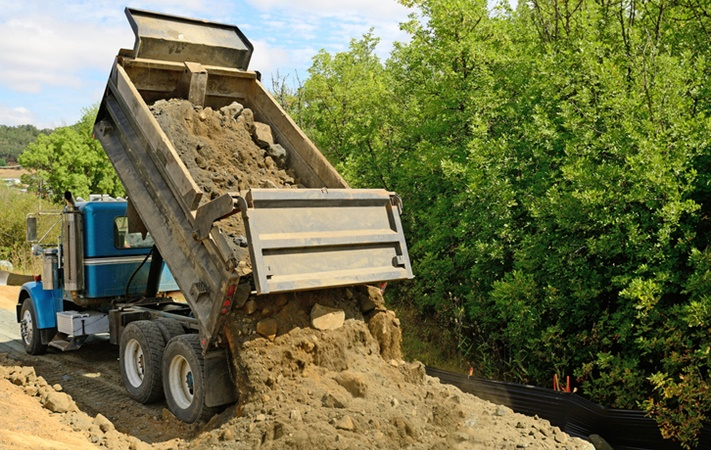
Roll-off truck insurance is a specialized form of commercial truck insurance designed for vehicles that transport and load large dumpsters using hydraulic systems. These trucks operate in high-risk environments such as construction sites, demolition areas, and urban neighborhoods.
Read too: Top Trucking Companies That Still Have Manual Transmissions
Insurance companies consider roll-off trucks expensive to insure because:
- They haul extremely heavy loads
- They frequently operate in tight, hazardous spaces
- They rely on complex hydraulic equipment
- Claims often involve property damage or serious injuries
According to industry underwriting data, heavy vocational trucks like roll-off vehicles generate larger average claim payouts compared to standard box trucks or delivery vans.
Average Roll-Off Truck Insurance Cost in the U.S.
So, what should you realistically expect to pay?
Typical Annual Cost Range
On average, Roll-Off Truck Insurance Cost in the U.S. falls between:
- $8,000 – $18,000 per truck per year
This range assumes:
- One truck
- One experienced driver
- Clean driving and claims history
Monthly Cost Breakdown
Most businesses pay monthly, which works out to roughly:
- $700 – $1,500 per month per truck
Larger fleets or high-risk operations may exceed this range.
Key Factors That Affect Roll-Off Truck Insurance Cost
Insurance pricing is never random. Underwriters evaluate multiple risk factors before issuing a quote.
1. Truck Type and Value
Newer roll-off trucks with higher replacement values cost more to insure. A $200,000 truck will naturally carry higher premiums than an older $80,000 unit.
2. Gross Vehicle Weight Rating (GVWR)
Roll-off trucks often exceed 26,000 lbs GVWR, placing them in the highest-risk insurance category.
3. Operating Radius
- Local routes (under 50 miles): lower risk
- Regional or multi-state routes: higher premiums
More miles = more exposure to accidents.
4. Cargo Type
Hauling construction debris, concrete, or scrap metal increases risk compared to light waste.
For background on how insurers classify heavy-duty vehicles, see this overview on commercial vehicles at
https://en.wikipedia.org/wiki/Commercial_vehicle
5. Driver Experience and Records
A driver with:
- CDL
- 5+ years of roll-off experience
- No accidents or violations
…can reduce premiums by 15–30%.
6. Claims History
Even one at-fault claim can increase rates significantly for 3–5 years.
Required Coverage Types for Roll-Off Trucks
Understanding coverage types helps you avoid underinsuring or overpaying.
Primary Required Coverages
| Coverage Type | What It Covers | Typical Limit |
|---|---|---|
| Auto Liability | Injury & property damage | $750,000–$1,000,000 |
| Physical Damage | Truck repairs/replacement | Actual cash value |
| Motor Truck Cargo | Dumpster & debris damage | $10,000–$50,000 |
Optional but Strongly Recommended
- General Liability Insurance – covers site damage and third-party injuries
- Umbrella Insurance – adds extra liability protection
- Workers’ Compensation – required if you employ drivers
- Pollution Liability – critical for waste hauling operations
Roll-Off Truck Insurance vs Standard Commercial Truck Insurance
Comparison Table
| Feature | Roll-Off Truck | Standard Box Truck |
|---|---|---|
| Average Annual Cost | $8,000–$18,000 | $3,500–$7,000 |
| Risk Level | High | Medium |
| Specialized Coverage | Required | Limited |
| Claim Severity | High | Moderate |
This explains why many new operators underestimate their Roll-Off Truck Insurance Cost when starting out.
How to Lower Roll-Off Truck Insurance Cost (Step-by-Step)
Reducing insurance premiums is possible with the right strategy.
Step 1: Hire Experienced Drivers
Insurers reward CDL drivers with verified roll-off experience.
Step 2: Implement Safety Programs
Install:
- GPS tracking
- Dash cameras
- Driver safety training
Many insurers offer 5–15% discounts for documented safety measures.
Step 3: Increase Deductibles
Raising your deductible from $1,000 to $2,500 can reduce premiums by 10–20%.
Step 4: Bundle Policies
Combining auto, general liability, and umbrella coverage with one insurer often lowers total cost.
Step 5: Shop Specialized Insurers
Avoid general auto insurers. Look for carriers that specialize in:
- Waste management
- Construction trucking
- Heavy vocational fleets
Small Fleet vs Large Fleet Insurance Costs
Single Truck Owner-Operators
- Highest cost per truck
- Limited negotiating power
- Fewer discounts
Fleets (3+ Trucks)
- Lower per-truck premiums
- Safety program incentives
- Better underwriting flexibility
Adding trucks strategically over time can reduce your average Roll-Off Truck Insurance Cost.
Common Mistakes That Increase Insurance Costs
- Underreporting mileage
- Hiring inexperienced drivers to save payroll
- Skipping general liability coverage
- Choosing the cheapest policy without understanding exclusions
One uncovered claim can cost more than 10 years of premiums.
FAQ: Roll-Off Truck Insurance Cost
How much does roll-off truck insurance cost per month?
Most operators pay between $700 and $1,500 per month, depending on risk factors and coverage limits.
Is roll-off truck insurance required by law?
Yes. Federal and state regulations require commercial auto liability insurance, and most contracts require additional coverage.
Can new businesses get roll-off truck insurance?
Yes, but expect higher premiums during the first 12–24 months due to limited operating history.
Does insurance cover dumpster damage?
Only if you carry motor truck cargo insurance or specific equipment coverage.
How long does it take to get insured?
Quotes typically take 24–72 hours, but complex fleets may require inspections.
Conclusion
Understanding Roll-Off Truck Insurance Cost helps you budget accurately, stay compliant, and protect your business from catastrophic losses. While premiums are higher than standard trucking insurance, the right coverage prevents far greater financial risk. If you found this guide helpful, share it with other operators or business partners who may be navigating the same insurance challenges.
Leave a Reply