
Businesses in construction, waste management, and industrial hauling often face challenges with equipment costs and fleet management. Roll Off Trucks For Lease offer a flexible solution, allowing companies to access heavy-duty hauling vehicles without the financial burden of purchasing. Leasing provides the advantage of scalability, cost control, and access to modern, well-maintained equipment.
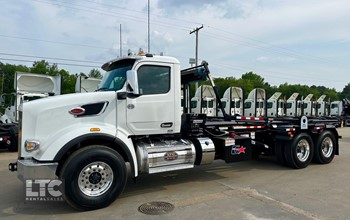
What Are Roll Off Trucks?
Roll off trucks are specialized vehicles designed to transport large containers or dumpsters for waste, recycling, or construction debris. They feature a hydraulic system that allows containers to be rolled on and off the truck bed efficiently.
Key Features:
- Hydraulic roll-off systems for easy container loading
- Capacity ranges from 10 to 40 cubic yards
- Heavy-duty chassis for industrial applications
- Options for multiple container sizes and types
- Safety mechanisms for secure transport
According to Wikipedia, roll off trucks are widely used in construction and waste management due to their versatility and efficiency.
Read too: Top Trucking Companies That Still Have Manual Transmissions
Benefits of Leasing Roll Off Trucks
- Lower Upfront Costs: Avoid large capital expenditures associated with purchasing new trucks.
- Access to Modern Equipment: Leasing allows businesses to operate the latest models with updated technology and safety features.
- Flexible Terms: Lease durations can be tailored to seasonal needs or project timelines.
- Maintenance and Service: Many lease agreements include regular maintenance, reducing downtime and repair costs.
- Scalability: Easily increase or decrease fleet size based on business demand without long-term commitments.
Statistic: A survey by the National Waste & Recycling Association found that companies leasing roll off trucks saved an average of 18% in operational costs compared to outright ownership over a three-year period.
Types of Roll Off Truck Leases
| Lease Type | Description | Ideal For |
|---|---|---|
| Short-Term Lease | Typically 3–12 months, flexible for seasonal projects | Temporary construction projects |
| Long-Term Lease | 1–5 years, stable monthly payments | Businesses needing consistent fleet |
| Lease-to-Own | Monthly payments apply toward eventual ownership | Companies planning to buy in future |
| Full-Service Lease | Includes maintenance, insurance, and roadside support | Hassle-free fleet management |
| Dry vs Wet Lease | Dry: truck only, Wet: truck with container | Based on project requirements |
Tip: Assess your project timelines, cargo type, and budget to determine the most suitable lease option.
How to Choose the Right Roll Off Truck Lease
- Evaluate Capacity Needs: Determine container size and weight requirements based on your typical cargo.
- Check Lease Terms: Understand mileage limits, maintenance responsibilities, and insurance obligations.
- Compare Lease Providers: Look for companies with a proven track record, transparent pricing, and flexible terms.
- Inspect Equipment: Ensure trucks are in excellent condition with up-to-date safety features.
- Consider Operational Efficiency: Choose leases that support project schedules, uptime, and scalability.
Case Study: A Texas construction firm leased five roll off trucks for a large residential project. With full-service leases, the company reduced downtime by 25% and eliminated unexpected repair expenses.
Roll Off Trucks vs Standard Dump Trucks
| Feature | Roll Off Trucks | Standard Dump Trucks |
|---|---|---|
| Container Loading | Roll-on/Roll-off system | Fixed bed, requires manual loading |
| Capacity | 10–40 cubic yards | 5–20 cubic yards |
| Flexibility | Can swap containers quickly | Limited to single load type |
| Maintenance | Often included in lease | Owner responsible |
| Cost | Lease options available | Higher upfront purchase |
Insight: Roll off trucks are ideal for businesses handling large volumes of mixed waste or construction debris that require quick container swaps and operational flexibility.
Applications of Roll Off Truck Leasing
- Construction Projects: Transporting demolition debris, concrete, and materials efficiently.
- Waste Management: Serving residential, commercial, and industrial clients with flexible container pickup.
- Recycling Operations: Hauling recyclable materials with multiple container swaps per day.
- Industrial Cleanouts: Moving bulk scrap, machinery parts, or hazardous materials safely.
Expert Quote: “Leasing roll off trucks allows businesses to scale operations without locking up capital, making fleet management smarter and more agile.” – Fleet Management Consultant
FAQ – Common Questions
Q1: What is the average cost to lease a roll off truck?
A1: Lease costs vary by truck size, term length, and services included. Short-term leases may range from $1,500 to $3,000 per month, while long-term or full-service leases can be higher but include maintenance and insurance.
Q2: Can I lease multiple trucks at once?
A2: Yes, most leasing companies offer fleet leases with flexible terms and pricing discounts for multiple vehicles.
Q3: Do leased trucks come with containers?
A3: Many leases include containers (wet lease), but dry leases may require you to supply your own.
Q4: What maintenance is included in full-service leases?
A4: Routine inspections, oil changes, tire replacements, and emergency roadside support are typically included.
Q5: Are roll off truck leases suitable for short-term projects?
A5: Absolutely. Short-term leases are designed for seasonal or temporary projects, allowing businesses to avoid long-term financial commitments.
Q6: Can I purchase the truck after leasing?
A6: Lease-to-own options allow payments to contribute toward eventual ownership, providing flexibility for long-term investment.
Conclusion
Leasing Roll Off Trucks For Lease is a strategic solution for construction, waste management, and industrial businesses seeking flexibility, cost savings, and access to modern equipment. By selecting the right lease type and provider, companies can enhance operational efficiency, reduce maintenance burdens, and scale fleets according to project demands.
Share this guide with industry colleagues or business partners to optimize fleet management and make smarter leasing decisions!
Leave a Reply