
Running a trucking business comes with serious responsibility. Accidents, regulatory violations, and unsafe driving behaviors can put lives and your company at risk. A well-structured Safety Manual For Trucking Company is not just a document—it’s a practical system that protects drivers, reduces liability, and keeps your operation compliant with U.S. transportation regulations.
What Is a Safety Manual For a Trucking Company?
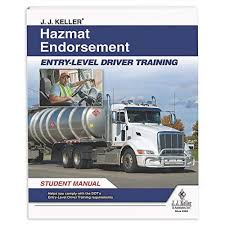
A Safety Manual For Trucking Company is a formal written guide that outlines safety policies, procedures, and expectations for drivers, dispatchers, mechanics, and management. Its primary purpose is to prevent accidents, reduce injuries, and ensure compliance with federal and state regulations.
According to industry data, trucking companies with documented safety programs experience 20–40% fewer preventable accidents compared to those without structured manuals. This makes a safety manual both a legal safeguard and a business advantage.
Read too: Top Trucking Companies That Still Have Manual Transmissions
Why Every Trucking Company Needs a Safety Manual
1. Reduces Accidents and Injuries
Clear safety rules help drivers make better decisions on the road. Consistent training and accountability significantly lower crash rates.
2. Ensures DOT and FMCSA Compliance
Regulatory agencies expect companies to have documented safety policies. A safety manual helps demonstrate compliance during audits and inspections.
3. Protects the Company From Legal Risk
In accident investigations or lawsuits, a safety manual shows that your company took reasonable steps to prevent incidents.
4. Improves Driver Retention
Drivers prefer companies that prioritize safety. A strong safety culture builds trust and loyalty.
What Should a Safety Manual For Trucking Company Include?
A complete safety manual should be easy to read, practical, and actionable. Below are the essential sections every trucking safety manual must cover.
Driver Qualification and Hiring Standards
What qualifications should truck drivers meet?
Your safety manual must clearly define driver eligibility requirements, including:
- Minimum age (typically 21 for interstate commerce)
- Valid Commercial Driver’s License (CDL)
- Clean Motor Vehicle Record (MVR)
- Pre-employment drug and alcohol testing
- Medical certification (DOT physical exam)
Best Practice:
Require at least 2 years of verifiable driving experience for long-haul operations to reduce accident risk.
Driver Training and Ongoing Education
How should drivers be trained for safety?
Training is the backbone of an effective Safety Manual For Trucking Company. Initial and ongoing training should include:
- Defensive driving techniques
- Hours of Service (HOS) compliance
- Load securement procedures
- Hazardous weather driving
- Fatigue management
Statistic:
The National Safety Council reports that defensive driving training can reduce crash rates by up to 35%.
Hours of Service and Fatigue Management
Why is fatigue one of the biggest risks in trucking?
Driver fatigue is a leading cause of commercial vehicle accidents. Your safety manual should clearly explain:
- Maximum driving hours per day
- Required rest breaks
- Weekly driving limits
- Proper use of Electronic Logging Devices (ELDs)
Example Policy:
Drivers must take a 30-minute break after 8 hours of driving and must not exceed 11 driving hours per shift.
Vehicle Inspection and Maintenance Procedures
How do safety manuals prevent equipment-related accidents?
Mechanical failure contributes to thousands of truck accidents annually. Your safety manual should require:
- Daily pre-trip inspections
- Post-trip inspections
- Regular preventive maintenance schedules
- Immediate reporting of defects
Simple Checklist Example:
| Inspection Area | Frequency |
|---|---|
| Brakes | Daily |
| Tires & Pressure | Daily |
| Lights & Signals | Daily |
| Engine & Fluids | Weekly |
Cargo Securement and Load Safety
What rules should drivers follow for load securement?
Improper cargo securement can cause rollovers, spills, and road hazards. Your safety manual should specify:
- Approved tie-down methods
- Weight distribution guidelines
- Maximum load limits
- Inspection of cargo after first 50 miles
Key Tip:
Re-check cargo securement every 150 miles or 3 hours, whichever comes first.
Drug, Alcohol, and Substance Abuse Policy
How should trucking companies handle substance abuse?
A strong zero-tolerance policy is essential. Your Safety Manual For Trucking Company should outline:
- Pre-employment testing
- Random testing procedures
- Post-accident testing
- Consequences of violations
For a detailed definition of regulated substances, refer to Wikipedia’s overview of drug testing regulations for background context and terminology.
Accident Reporting and Emergency Procedures
What should drivers do after an accident?
Clear step-by-step instructions reduce confusion and liability.
Accident Response Steps:
- Stop immediately and secure the scene
- Call emergency services if injuries occur
- Notify dispatch or safety manager
- Document the accident with photos and notes
- Do not admit fault
Important Rule:
Drivers must report all accidents within 24 hours, regardless of severity.
Safety Performance Monitoring and Discipline
How do companies enforce safety policies fairly?
Your safety manual should include a transparent system for monitoring and corrective action:
Kelebihan vs Kekurangan (Monitoring Systems):
Pros:
- Identifies risky behaviors early
- Encourages accountability
- Improves insurance ratings
Cons:
- Requires consistent documentation
- Needs trained safety staff
Progressive discipline—warnings, retraining, suspension—ensures fairness and compliance.
How to Implement a Safety Manual Effectively
Having a manual is not enough. Implementation determines success.
Step-by-Step Implementation Plan
- Customize the manual for your operations
- Train all employees on safety policies
- Require written acknowledgment from drivers
- Review and update annually
- Conduct regular safety meetings
Expert Insight:
Safety programs reviewed once per year reduce compliance violations by nearly 25%, according to fleet safety studies.
Common Mistakes Trucking Companies Make With Safety Manuals
- Copying generic templates without customization
- Using overly technical language
- Failing to train drivers on policies
- Not updating regulations regularly
- Treating the manual as paperwork only
Avoiding these mistakes helps your Safety Manual For Trucking Company remain practical and effective.
FAQ: Safety Manual For Trucking Company
What is the purpose of a safety manual for trucking companies?
A safety manual defines safety expectations, reduces accidents, ensures compliance, and protects the company from legal risks.
Is a safety manual required by law?
While not always explicitly mandated, regulatory agencies strongly expect trucking companies to have documented safety policies.
How often should a trucking safety manual be updated?
At least once per year, or whenever regulations or company operations change.
Who should receive the safety manual?
All drivers, dispatchers, mechanics, supervisors, and safety managers should receive and understand it.
Can small trucking companies benefit from a safety manual?
Yes. Small fleets often benefit the most because a single accident can have major financial impact.
Should drivers sign the safety manual?
Absolutely. Signed acknowledgment confirms understanding and accountability.
Conclusion
A well-designed Safety Manual For Trucking Company is one of the most powerful tools you can use to protect drivers, reduce accidents, and strengthen your business. It turns safety from a rulebook into a culture—one that saves lives and money.
If this guide helped you, share it with your team or on social media to help promote safer roads for everyone.
Leave a Reply