
Transporting ready-mix concrete often leads to delays, wasted material, and inconsistent quality—especially on remote or fast-paced job sites. A Self Contained Concrete Mixer Truck solves this problem by allowing contractors to mix concrete directly on-site, exactly when it’s needed. If you’re looking for better efficiency, cost control, and flexibility in concrete work, this solution deserves your attention.
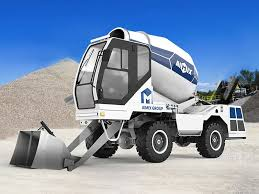
What Is a Self Contained Concrete Mixer Truck?
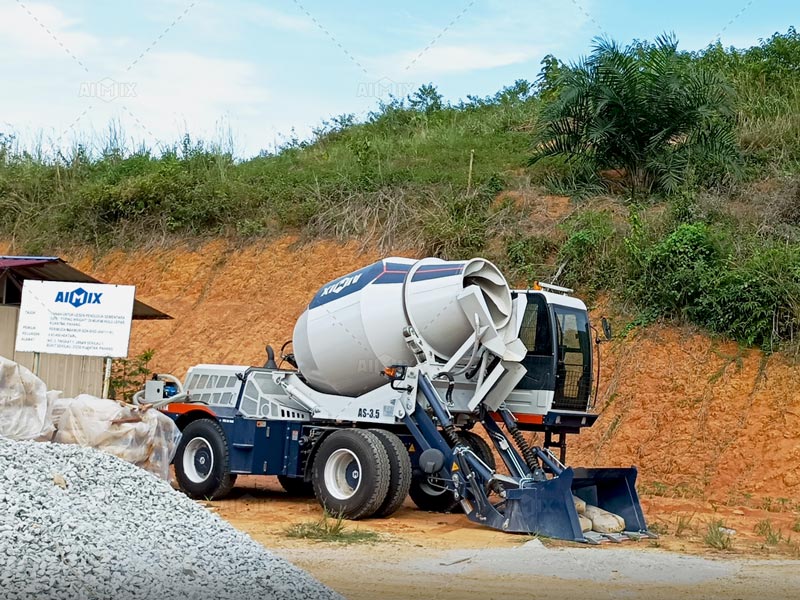
A Self Contained Concrete Mixer Truck is a mobile machine that loads, measures, mixes, and discharges concrete independently, without relying on batching plants or external loaders.
Read too: Top Trucking Companies That Still Have Manual Transmissions
Unlike traditional mixer trucks that only transport ready-mix concrete, this vehicle performs the entire concrete production process on-site.
According to the general definition of concrete production explained on
👉 https://en.wikipedia.org/wiki/Concrete, concrete quality is highly dependent on accurate proportioning and timely mixing, both of which are core advantages of self-contained mixers.
How Does a Self Contained Concrete Mixer Truck Work?
This is one of the most common “People Also Ask” questions—and for good reason.
Step-by-Step Operating Process
- Loading Raw Materials
Aggregates (sand and gravel) are loaded using the truck’s front-mounted bucket. - Precise Measurement
Onboard weighing systems ensure accurate ratios for cement, aggregates, and water. - Water Injection
Clean water is added gradually.
Typical mixing water temperature: 22–28°C (72–82°F) - Rotating Drum Mixing
The drum mixes materials continuously for 5–10 minutes, ensuring uniform consistency. - Direct Discharge
Fresh concrete is poured exactly where needed—no waiting, no waste.
Why Choose a Self Contained Concrete Mixer Truck?

4
1. Fresh Concrete on Demand
Concrete begins to set within 30–90 minutes after mixing. With on-site mixing, you eliminate quality loss caused by transport delays.
2. Lower Operational Costs
Using a Self Contained Concrete Mixer Truck reduces:
- Fuel costs from multiple vehicle trips
- Labor for batching plant coordination
- Material waste (up to 20–25% savings)
Many contractors report full ROI within 12–24 months.
3. Ideal for Remote or Small Job Sites
No batching plant nearby? No problem. These trucks are perfect for:
- Rural construction
- Infrastructure repairs
- Small-volume pours
- Emergency concrete jobs
Self Contained Concrete Mixer Truck vs Traditional Mixer
| Feature | Self Contained Mixer | Traditional Mixer |
|---|---|---|
| Mixing location | On-site | Central plant |
| Material control | High | Limited |
| Waste reduction | Excellent | Moderate |
| Setup time | Minimal | Dependent on logistics |
| Flexibility | Very high | Low |
Key Components Explained (Simple Terms)
To help beginners, here’s a breakdown without heavy jargon:
- Loading Bucket: Scoops aggregates
- Water Tank: Stores measured water supply
- Cement Hopper: Holds cement powder safely
- Mixing Drum: Rotates to blend materials
- Control Panel: Automates measurements
Each component works together to ensure consistent concrete quality.
Common Applications of Self Contained Concrete Mixer Trucks
A Self Contained Concrete Mixer Truck is widely used across industries:
- Residential foundations
- Road and bridge repairs
- Sidewalks and pavements
- Fence posts and retaining walls
- Utility and drainage projects
Especially useful when concrete volume requirements change frequently.
Advantages vs Disadvantages (Quick Overview)
✅ Advantages
- Fresh concrete every batch
- Reduced material waste
- High mobility
- Lower dependency on suppliers
- Better quality control
❌ Disadvantages
- Higher upfront cost
- Requires trained operator
- Limited batch size compared to large plants
For most small-to-medium projects, benefits clearly outweigh limitations.
How Much Concrete Can One Truck Produce?
Most Self Contained Concrete Mixer Trucks produce:
- 1.5–6.5 cubic meters per batch
- Up to 50–70 cubic meters per day, depending on model and cycle time
This makes them ideal for continuous small pours without interruption.
Maintenance Tips to Extend Truck Lifespan
Regular maintenance improves performance and safety.
Basic maintenance checklist:
- Clean mixing drum after every use
- Inspect hydraulic hoses weekly
- Calibrate weighing system monthly
- Change engine oil every 250–300 operating hours
Preventive care can extend service life by 30% or more.
Is a Self Contained Concrete Mixer Truck Worth the Investment?
If you frequently deal with:
- Tight schedules
- Remote locations
- Variable concrete volumes
- Quality complaints from ready-mix delays
Then a Self Contained Concrete Mixer Truck is not just worth it—it’s a competitive advantage.
FAQ: Self Contained Concrete Mixer Truck
What is the main difference between self contained and regular mixer trucks?
A Self Contained Concrete Mixer Truck mixes concrete on-site, while regular mixer trucks only transport pre-mixed concrete.
Can one operator run the entire truck?
Yes. Most models are designed for single-operator control, including loading, mixing, and discharging.
Is concrete quality as good as batching plants?
Yes—often better—because materials are mixed fresh and measured accurately at the job site.
How long does one mixing cycle take?
On average, 10–15 minutes per batch, including loading and discharge.
Are these trucks suitable for cold weather?
Yes, with proper water temperature control and insulation, they perform well in cold conditions.
Conclusion
A Self Contained Concrete Mixer Truck delivers unmatched flexibility, efficiency, and control over concrete production. By eliminating delays, reducing waste, and ensuring fresh concrete every time, it helps contractors save money and improve project quality.
If this guide helped you understand whether a self-contained mixer fits your needs, share it on social media so others in construction can benefit too. 🚧🚚
Leave a Reply