
Transporting heavy gas cylinders safely is not just about convenience—it’s about preventing serious injuries and costly accidents. If you work with propane, oxygen, acetylene, or industrial gas tanks, a Tilt Back Cylinder Hand Truck can dramatically improve safety and efficiency. In this complete guide, you’ll learn how it works, why it’s different from a standard dolly, and how to choose the right model for your needs.
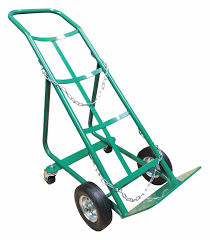
What Is a Tilt Back Cylinder Hand Truck?
A Tilt Back Cylinder Hand Truck is a specialized dolly designed to transport cylindrical tanks such as:
- Oxygen cylinders
- Acetylene tanks
- Propane cylinders
- CO₂ tanks
Read too: Franklin Truck Parts Near Me: Your Complete Guide to Local Truck Parts & Repair Solutions
Unlike standard hand trucks, this version includes:
- Curved back support for cylinders
- Chain or strap restraints
- Tilt-back design for easy balance
- Heavy-duty wheels
For general background on hand trucks and dollies, see this overview:
https://en.wikipedia.org/wiki/Hand_truck
Why Use a Tilt Back Cylinder Hand Truck Instead of a Standard Dolly?
Gas cylinders are heavy and unstable. A standard dolly does not properly support round tanks.
Key Differences
| Feature | Standard Dolly | Tilt Back Cylinder Hand Truck |
|---|---|---|
| Load Support | Flat | Curved for cylinders |
| Restraints | None | Chains or straps |
| Stability | Moderate | High |
| Safety | Basic | Designed for gas transport |
According to workplace safety data, improper handling of gas cylinders is a leading cause of industrial injuries.
How Does the Tilt Back Mechanism Work?
The tilt-back design allows you to:
- Secure the cylinder upright
- Tilt the frame backward
- Balance the weight over the wheels
- Roll with minimal strain
This reduces lifting effort and lowers injury risk.
What Capacity Do You Need?
Capacity varies depending on use.
Common Load Capacities:
- 300 lbs
- 500 lbs
- 800 lbs
Most oxygen or acetylene cylinders weigh between 100–300 lbs when full.
Tip: Choose a model rated at least 20% above your typical load.
Single vs Dual Cylinder Models
Single Cylinder Hand Truck
Best for:
- Welding shops
- HVAC technicians
- Home projects
Pros:
- Lightweight
- Easy to maneuver
Cons:
- Limited capacity
Dual Cylinder Hand Truck
Best for:
- Professional welding setups
- Industrial use
Pros:
- Carries oxygen and acetylene together
- Stable design
Cons:
- Heavier
- Higher cost
What Materials Are Best?
Most tilt back cylinder hand trucks are made from:
- Steel (heavy-duty, durable)
- Aluminum (lightweight, corrosion-resistant)
Comparison
| Material | Durability | Weight | Cost |
|---|---|---|---|
| Steel | Very High | Heavy | Moderate |
| Aluminum | High | Light | Higher |
Steel is preferred in industrial settings.
What Wheels Should You Choose?
Wheel type affects performance.
Pneumatic Wheels
- Better shock absorption
- Ideal for outdoor surfaces
Solid Rubber Wheels
- Maintenance-free
- Ideal for indoor use
Choose based on terrain.
How to Safely Use a Tilt Back Cylinder Hand Truck
Step-by-Step Guide
Step 1: Inspect Equipment
- Check chains or straps
- Ensure wheels are secure
Step 2: Position the Cylinder
- Stand upright
- Center against curved support
Step 3: Secure the Cylinder
- Tighten chain around upper third
Step 4: Tilt Back Slowly
- Maintain firm grip
- Keep back straight
Step 5: Move Carefully
- Avoid sudden turns
- Watch uneven surfaces
Never drag cylinders horizontally.
OSHA and Safety Considerations
The Occupational Safety and Health Administration (OSHA) recommends:
- Always transporting cylinders upright
- Securing cylinders during movement
- Avoiding rolling on sides
Using a proper tilt back cylinder hand truck supports compliance.
Common Mistakes to Avoid
- Overloading beyond rated capacity
- Using damaged chains
- Failing to secure cylinder properly
- Transporting on steep slopes
Safety should always be the priority.
How Much Does a Tilt Back Cylinder Hand Truck Cost?
Typical Price Range (US Market)
| Type | Price |
|---|---|
| Single Cylinder | $100–$250 |
| Dual Cylinder | $250–$600 |
| Heavy-Duty Industrial | $500–$900 |
Higher prices typically reflect stronger frames and better wheels.
Is It Worth the Investment?
For professionals:
- Prevents injury
- Increases efficiency
- Protects expensive gas cylinders
For occasional users:
- Improves safety
- Easier than manual lifting
The cost is minor compared to medical expenses or damaged equipment.
Who Needs a Tilt Back Cylinder Hand Truck?
- Welders
- HVAC technicians
- Plumbers
- Construction workers
- Industrial maintenance crews
If you move gas cylinders regularly, it’s essential equipment.
Maintenance Tips
- Lubricate wheels every 3–6 months
- Inspect weld joints annually
- Replace worn straps immediately
- Store indoors to prevent corrosion
Proper maintenance extends lifespan significantly.
Pros and Cons
✅ Advantages
- Increased safety
- Reduced physical strain
- Designed specifically for cylinders
- OSHA-compliant transport
❌ Disadvantages
- Higher cost than basic dolly
- Bulkier storage
Benefits usually outweigh drawbacks.
FAQ: Tilt Back Cylinder Hand Truck
Can I use a regular hand truck for gas cylinders?
It is not recommended due to stability and safety concerns.
How much weight can a cylinder hand truck hold?
Most models hold between 300 and 800 pounds.
Are pneumatic wheels better?
Yes, for rough outdoor terrain.
Do I need a dual-cylinder model?
Only if transporting two tanks simultaneously.
How long do these hand trucks last?
With proper care, 5–15 years depending on usage.
Conclusion
A Tilt Back Cylinder Hand Truck is a critical tool for safely transporting gas cylinders in professional and industrial environments. With the right capacity, material, and wheel type, it improves safety, reduces strain, and ensures compliance with workplace standards.
Investing in the correct model protects both your team and your equipment. If this guide helped you make a smarter purchasing decision, consider sharing it with colleagues or industry professionals.
Leave a Reply