
Moving heavy gas cylinders without the right equipment is risky, inefficient, and physically exhausting. A Tilt-Back Cylinder Hand Truck is specifically designed to transport oxygen, acetylene, propane, and other compressed gas tanks safely and smoothly. If you work in welding, HVAC, medical supply, or industrial settings, choosing the right model can dramatically improve safety and productivity.
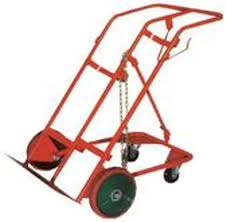
This guide explains how tilt-back cylinder hand trucks work, how much they cost, what features matter most, and how to choose the best one for your needs.
Read too: Top Trucking Companies That Still Have Manual Transmissions
What Is a Tilt-Back Cylinder Hand Truck?
A Tilt-Back Cylinder Hand Truck is a specialized material handling tool designed to transport tall, heavy gas cylinders. Unlike standard hand trucks, it features:
- A curved or contoured back frame
- Chain or strap restraints
- Reinforced steel frame
- Large pneumatic or solid wheels
- A tilt-back design for better balance
These features make it ideal for safely moving compressed gas cylinders used in welding, medical facilities, laboratories, and construction.
For a general overview of the standard hand truck concept, see:
https://en.wikipedia.org/wiki/Hand_truck
Why Use a Tilt-Back Cylinder Hand Truck Instead of a Regular Dolly?
Many users ask whether a standard dolly is enough. The short answer: No.
Key Differences
| Feature | Tilt-Back Cylinder Hand Truck | Standard Hand Truck |
|---|---|---|
| Cylinder Support | Curved frame | Flat plate |
| Safety Restraints | Chains/straps included | Usually none |
| Load Balance | Designed for tall cylinders | Not optimized |
| OSHA Compliance | Meets cylinder handling needs | Often insufficient |
Compressed gas cylinders can weigh between 100–300 pounds depending on size and content. Improper transport increases the risk of tipping, which can cause serious injury or property damage.
How Does a Tilt-Back Design Improve Safety?
The tilt-back design shifts the load’s center of gravity closer to the operator. This reduces:
- Back strain
- Wrist stress
- Risk of tipping
- Sudden load shifts
According to workplace injury data from industrial safety reports, improper material handling contributes to over 30% of workplace musculoskeletal injuries. Using proper equipment significantly reduces this risk.
The angled frame allows the operator to lean the cylinder at approximately 45 degrees, providing better control during transport.
What Industries Use Tilt-Back Cylinder Hand Trucks?
A Tilt-Back Cylinder Hand Truck is commonly used in:
- Welding shops
- HVAC service companies
- Hospitals and medical facilities
- Laboratories
- Construction sites
- Manufacturing plants
Case Example
A mid-sized welding company in Texas reported a 20% reduction in minor workplace injuries after switching from standard dollies to cylinder-specific hand trucks with tilt-back design.
What Features Should You Look For?
Choosing the right model requires evaluating several factors.
1. Load Capacity
Most models range between:
- 300 lbs
- 500 lbs
- 800 lbs
Always choose a unit rated at least 20% higher than your heaviest cylinder.
2. Wheel Type
- Pneumatic wheels (10–16 inches) – Best for outdoor and uneven terrain
- Solid rubber wheels – Low maintenance, ideal for indoor use
3. Frame Material
- Steel (most common, durable)
- Aluminum (lighter but less heavy-duty)
4. Cylinder Restraints
- Dual safety chains
- Nylon ratchet straps
- Adjustable brackets
5. Tilt Angle Stability
Look for a design that maintains stability between 30–50 degrees tilt.
How Much Does a Tilt-Back Cylinder Hand Truck Cost?
Prices vary based on capacity and build quality.
Average Price Range (U.S.)
- Light-duty models: $150–$250
- Mid-range industrial: $250–$450
- Heavy-duty dual-cylinder: $450–$900
Higher-priced models often include reinforced axles, powder-coated steel frames, and large pneumatic wheels.
Single vs Dual Cylinder Tilt-Back Hand Trucks
Single Cylinder Models
Best for:
- Service technicians
- Mobile welders
- HVAC professionals
Advantages:
- Lighter
- Easier to maneuver
- Lower cost
Dual Cylinder Models
Best for:
- Welding setups (oxygen + acetylene)
- Industrial operations
Advantages:
- Carries two tanks simultaneously
- Reduces transport trips
- Increased stability
Step-by-Step: How to Use a Tilt-Back Cylinder Hand Truck Safely
Follow these steps for safe operation:
Step 1: Inspect the Hand Truck
- Check wheels for proper inflation (if pneumatic)
- Ensure chains/straps are intact
- Confirm no frame damage
Step 2: Secure the Cylinder
- Place the cylinder on the base plate
- Center it against the curved frame
- Attach both safety chains tightly
Step 3: Tilt the Truck Back
- Grip handles firmly
- Pull backward slowly
- Maintain a tilt angle of approximately 40–45 degrees
Step 4: Move at Controlled Speed
- Keep speed below normal walking pace
- Avoid sudden turns
- Use ramps instead of lifting when possible
Step 5: Lower Carefully
- Slowly return to upright position
- Ensure cylinder base rests flat
This method minimizes strain and prevents accidental tipping.
Advantages vs Disadvantages
Advantages
- Enhanced safety
- Reduced back strain
- Better cylinder stability
- OSHA-aligned handling practice
- Durable construction
Disadvantages
- Higher cost than standard dolly
- Heavier frame
- Takes more storage space
Overall, benefits significantly outweigh drawbacks in professional environments.
Maintenance Tips to Extend Lifespan
Proper care can extend the lifespan of your Tilt-Back Cylinder Hand Truck by 5–10 years.
Maintenance Checklist
- Lubricate axle bearings every 6 months
- Inspect weld joints annually
- Replace worn safety chains immediately
- Check tire pressure monthly (30–50 PSI for pneumatic wheels)
Routine maintenance prevents unexpected failures and improves workplace safety.
How to Choose the Right Model for Your Needs
Ask yourself:
- What is the heaviest cylinder I transport?
- Indoor or outdoor use?
- Single or dual tank operation?
- Do I need pneumatic wheels?
- How frequently will I use it?
If you transport cylinders daily, invest in a heavy-duty industrial model rather than a light-duty unit.
FAQ: Tilt-Back Cylinder Hand Truck
What is the weight capacity of a tilt-back cylinder hand truck?
Most models support between 300 and 800 pounds, depending on construction and wheel size.
Can I use a tilt-back cylinder hand truck for propane tanks?
Yes. It is commonly used for propane, oxygen, acetylene, nitrogen, and other compressed gas cylinders.
Are pneumatic wheels better than solid wheels?
Pneumatic wheels are better for uneven surfaces, while solid wheels require less maintenance.
Is a tilt-back cylinder hand truck OSHA compliant?
When used properly with secured restraints, it supports safe cylinder handling practices aligned with OSHA recommendations.
How long does a tilt-back cylinder hand truck last?
With proper maintenance, a high-quality model can last 5–10 years or more.
Conclusion
A Tilt-Back Cylinder Hand Truck is more than a convenience tool—it’s a critical safety investment for anyone handling compressed gas cylinders. It reduces injury risk, improves load control, and increases operational efficiency.
Choosing the right capacity, wheel type, and safety restraints ensures long-term performance and workplace protection. If this guide helped you understand your options, share it with colleagues or on social media to help others make informed equipment decisions.
Leave a Reply