
If you regularly move bulk materials like gravel, debris, warehouse waste, or landscaping supplies, you’ve likely considered a Tilt Truck 1 Cubic Yard model. Choosing the right capacity and build quality can save time, reduce worker strain, and improve operational efficiency. In this comprehensive guide, you’ll learn exactly what a 1 cubic yard tilt truck is, who needs one, how much it costs, and how to select the best option for your environment.
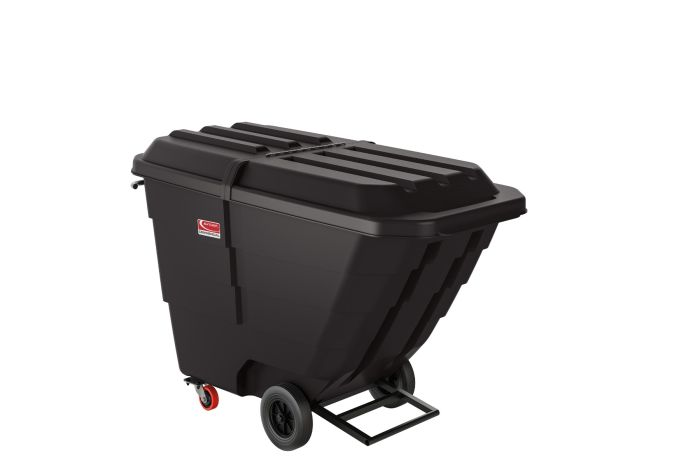
What Is a Tilt Truck 1 Cubic Yard?
A Tilt Truck 1 Cubic Yard is a heavy-duty utility cart designed to transport and dump bulk materials. It typically features:
- A molded or steel bin
- Large industrial casters
- A tilt-and-dump mechanism
- Ergonomic push handles
Read too: Franklin Truck Parts Near Me: Your Complete Guide to Local Truck Parts & Repair Solutions
The 1 cubic yard capacity equals 27 cubic feet of material. For reference, one cubic yard is a standard unit of volume measurement commonly used in construction and landscaping. You can read more about cubic measurements here:
https://en.wikipedia.org/wiki/Cubic_yard
What Does 1 Cubic Yard Actually Hold?
Many buyers ask how much material a 1 cubic yard tilt truck can carry.
Typical Load Examples:
- 1 cubic yard of mulch ≈ 400–800 lbs
- 1 cubic yard of sand ≈ 2,000–3,000 lbs
- 1 cubic yard of gravel ≈ 2,400–3,000 lbs
- Warehouse cardboard waste ≈ 300–500 lbs
⚠️ Always check the manufacturer’s weight capacity, as volume and weight differ significantly depending on material density.
Who Needs a Tilt Truck 1 Cubic Yard?
These carts are widely used in:
- Warehouses
- Manufacturing plants
- Schools and universities
- Hospitals
- Landscaping companies
- Construction sites
If your team manually loads and unloads bulk materials daily, this size offers an ideal balance between capacity and maneuverability.
What Are the Main Features to Look For?
1. Load Capacity (Weight Rating)
While the volume is 1 cubic yard, weight capacity varies:
- Light-duty models: 800–1,000 lbs
- Standard-duty: 1,200–1,500 lbs
- Heavy-duty industrial: 2,000+ lbs
Always choose a model rated above your typical load.
2. Material Construction
Polyethylene (Plastic)
Pros:
- Rust-resistant
- Lightweight
- Quiet operation
Cons:
- Lower maximum weight capacity
Steel
Pros:
- Extremely durable
- Handles heavier loads
Cons:
- Heavier
- Potential rust if untreated
Quick Comparison
| Feature | Poly | Steel |
|---|---|---|
| Weight | Light | Heavy |
| Durability | High | Very High |
| Corrosion Resistance | Excellent | Moderate |
| Cost | Moderate | Higher |
How Does the Tilt Mechanism Work?
The tilt feature allows controlled dumping of materials without manual lifting.
Step-by-Step Operation:
- Load material evenly into the bin
- Secure grip on push handle
- Move to dumping area
- Activate tilt mechanism (manual pivot)
- Allow contents to slide out
- Return cart to upright position
This design significantly reduces strain compared to manual unloading.
What Type of Wheels Are Best?
Wheel selection impacts maneuverability.
Swivel Casters
- Easy turning
- Ideal for tight indoor spaces
Rigid Casters
- Better straight-line stability
- Good for heavy loads
Pneumatic Wheels
- Shock absorption
- Best for uneven outdoor terrain
Most 1 cubic yard tilt trucks feature four heavy-duty casters with at least two swivel wheels.
Indoor vs Outdoor Use: What’s Different?
| Use Case | Recommended Material | Wheel Type |
|---|---|---|
| Warehouse | Poly | Solid Rubber |
| Construction | Steel | Pneumatic |
| Landscaping | Poly or Steel | Pneumatic |
| Hospital | Poly | Non-marking |
Selecting the right configuration increases lifespan.
How Much Does a Tilt Truck 1 Cubic Yard Cost?
Typical U.S. Price Range:
- Basic Poly Model: $300–$600
- Mid-Range Industrial: $600–$1,000
- Heavy-Duty Steel: $1,000–$1,800
Price depends on:
- Weight rating
- Wheel quality
- Brand reputation
- Warranty length
Is a 1 Cubic Yard Model the Right Size?
Choosing the correct size depends on:
- Daily load volume
- Available storage space
- Worker strength
- Facility layout
Smaller Option (0.5 Yard)
- Easier to maneuver
- Less capacity
Larger Option (1.5–2 Yard)
- Higher productivity
- Harder to control
For most mid-sized operations, 1 cubic yard offers the best balance.
Safety Considerations
Workplace injury data shows that overexertion injuries account for a significant portion of warehouse incidents. A properly used tilt truck reduces:
- Back strain
- Lifting injuries
- Repetitive stress
Safety Tips:
- Never exceed rated capacity
- Distribute weight evenly
- Avoid steep inclines
- Lock wheels when stationary
Maintenance Tips for Long-Term Use
To maximize lifespan:
- Inspect wheels monthly
- Lubricate pivot points every 3–6 months
- Clean after transporting corrosive materials
- Store indoors when possible
Proper care can extend service life beyond 10 years.
Pros and Cons of a Tilt Truck 1 Cubic Yard
✅ Advantages
- Large capacity
- Easy dumping mechanism
- Reduces labor strain
- Durable construction
❌ Disadvantages
- Requires storage space
- Can be heavy when fully loaded
- Higher upfront cost than smaller carts
Overall, the efficiency gains often outweigh the initial investment.
Case Example: Warehouse Efficiency Improvement
A mid-sized distribution center reported:
- 30% reduction in manual lifting
- 20% faster waste disposal cycles
- Fewer employee complaints of fatigue
After switching from smaller carts to 1 cubic yard tilt trucks.
FAQ: Tilt Truck 1 Cubic Yard
How much weight can a 1 cubic yard tilt truck hold?
Most models hold between 1,000 and 2,000 pounds, depending on construction.
Is plastic or steel better?
Plastic resists corrosion and is lighter; steel handles heavier loads.
Can it be used outdoors?
Yes, especially models with pneumatic wheels.
How do I prevent tipping?
Load evenly and avoid sudden turns on slopes.
Is assembly required?
Some models require minimal wheel installation.
Conclusion
A Tilt Truck 1 Cubic Yard is an efficient, practical solution for transporting and dumping bulk materials in industrial, commercial, and landscaping environments. With the right material, weight rating, and wheel configuration, it can significantly improve workflow and reduce worker strain.
If you regularly handle high-volume materials, investing in a 1 cubic yard tilt truck can enhance safety, productivity, and long-term cost savings.
If this guide helped you make a better purchasing decision, consider sharing it with colleagues or facility managers who may benefit from it.
Leave a Reply